
If you think rats just vanish in the winter, you’re in for a surprise. Rats actually stay active during the colder months and often sneak indoors searching for warmth and food. Sometimes, you might even spot more signs of rats in your home as the temperature drops.
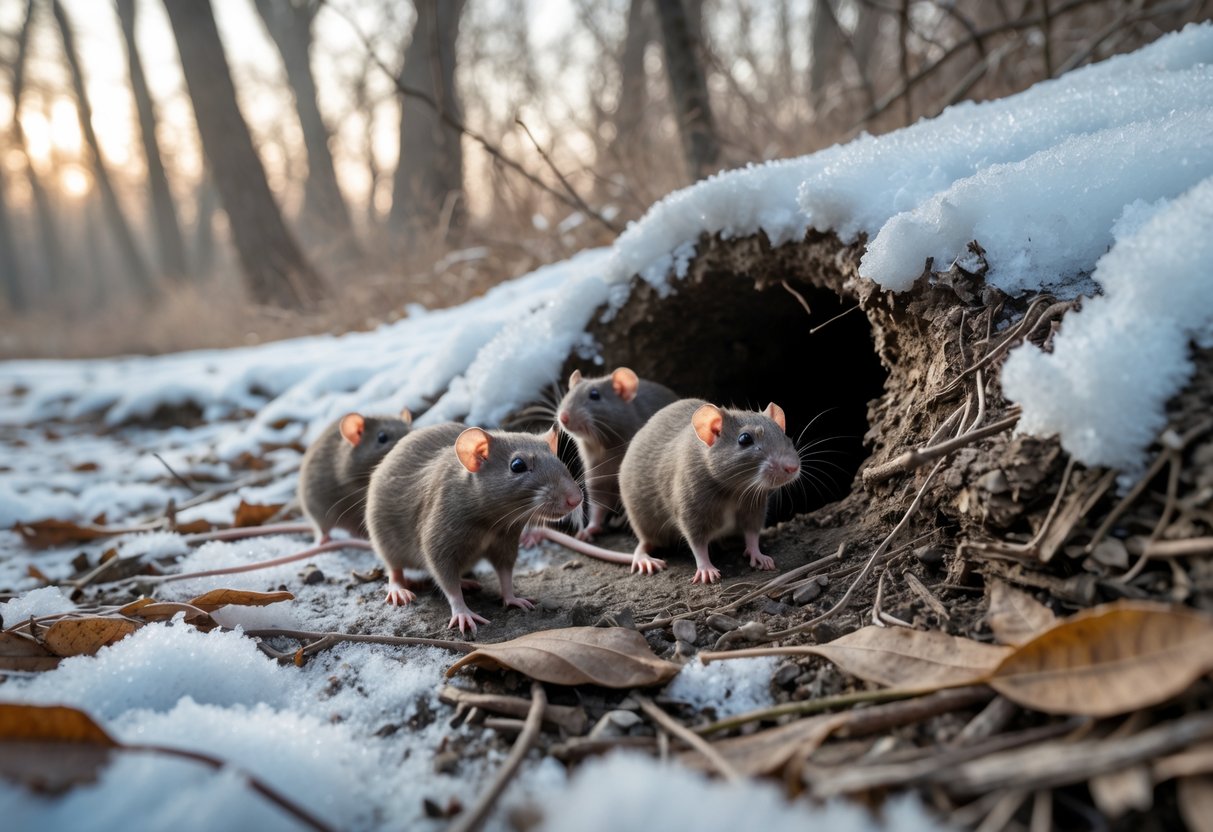
Cold weather pushes rats to find shelter in places like basements, attics, and garages. They don’t hibernate or snooze through the winter like some animals, so they have to stay busy just to survive.
If you know when and why rats come out in winter, you can spot problems early and protect your home. It’s honestly worth figuring out what attracts rats inside, because it can make a big difference for your peace of mind.
This article digs into rat behavior in winter and shares some straightforward steps to help keep them out for good.
Do Rats Come Out In The Winter?

Rats don’t just disappear when the cold arrives. They stay active and search for food and warmth wherever they can. If you understand how cold weather changes their habits and hiding spots, you’ll have a better shot at keeping them away.
How Cold Weather Affects Rats
Cold weather forces rats to work harder to stay warm. They search for cozy places that block wind and keep things a bit more comfortable.
When temperatures drop, rats move indoors or into sheltered spots like basements, sheds, or even sewer pipes. Your home looks pretty inviting to a rat in the winter—there’s food, warmth, and a break from predators.
Even if you’re hoping the cold will scare them off, rats can get very active, especially at night. They adapt by growing thicker fur and moving a bit slower to save energy.
Where Rats Go During Winter
Rats find hidden spaces to make it through the winter months. They like places such as:
- Sewers and drains
- Sheds and garages
- Crawl spaces under homes
- Piles of debris or wood outside
Inside, they look for spots near heat and food. You might find them in walls, attics, or close to stored food.
Rats also stash food to eat later. But once their food runs out, they come out more often, searching for new sources. That makes winter a risky time if you leave food or trash where rats can get to it.
Hibernation Myths About Rats
Rats don’t hibernate. Unlike certain animals that sleep through the cold, rats stay awake and active all winter long. They never slow down enough to enter real hibernation.
Since they can’t predict exactly how much food they’ll need, rats hide and store what they find. When their supplies run low, they’ll venture out, even if the weather is terrible.
You should always expect some rat activity during winter and stay prepared. Relying on the myth that rats hibernate might make you less careful about keeping them out. But trust me, they’re still moving and looking for shelter all season.
You can find more about their winter habits on sites like Pest Pointers.
How Rats Survive And Shelter In Winter

Rats keep moving during winter and use clever tricks to stay warm and safe. They dig burrows or hide in spots that protect them from the cold and from predators.
They often slip inside buildings where food and shelter are easy to find.
Burrowing and Finding Shelter
Rats use their strong digging skills to make burrows under rocks, walls, or fences. These burrows keep them warm and shielded from wind and snow.
You might spot small rat holes near these structures. When natural shelters aren’t around, rats look for places with steady temperatures.
They avoid open, chilly spaces and pick spots that block out the weather. Rats also stash extra food in their burrows for those times when foraging gets tough during snow or ice.
Rats in Attics and Homes
Rats often sneak into your home in winter because it’s warm and packed with food. They prefer areas like attics, basements, and wall voids.
These spots feel cozy and keep them safe from predators like cats and birds. Inside, rats build nests with soft materials.
You might hear noises or see signs like droppings or chewed wires. Blocking entry points and keeping food sealed can really help keep them out.
Differences Between Rats and Mice in Winter
Both rats and mice keep moving around when it gets cold, but rats usually go for bigger shelters like thick walls or attics. Mice, on the other hand, squeeze into tiny spaces inside your walls or even in furniture.
Rats dig better and eat more, so you might spot them more often if they move in. Mice like to huddle together and hide out in quiet corners where you probably won’t notice them.
They both chase warmth, but each finds its own favorite hiding places in your home based on size and habits.
Curious about why rats show up in winter? Take a look at this Why Rats Seek Shelter in Homes During Winter article.


