
If you’ve ever heard a raccoon scream, you might wonder if it is a sign of rabies. Raccoons are common carriers of this deadly virus, and their behavior can indicate when something is wrong.
Yes, raccoons can scream when they have rabies, and their vocalizations may include strange sounds like screeching or high-pitched peeping.
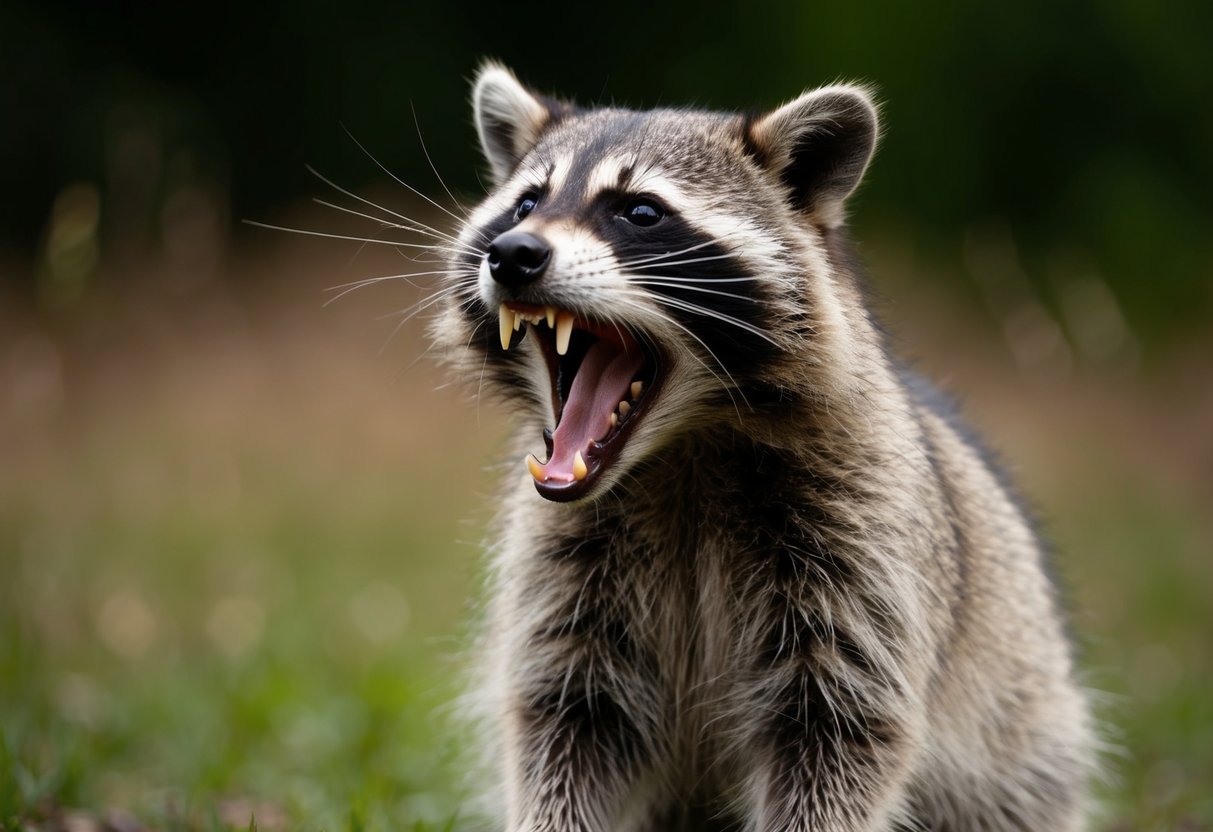
Understanding the symptoms of rabies in raccoons can help you stay safe. These animals can become aggressive and defensive, even without provocation.
If you encounter a raccoon making unusual noises, it’s best to keep your distance and notify local wildlife authorities to assess the situation.
Being aware of the signs of rabies in raccoons can protect you and your pets. Knowing what to look for allows you to respond quickly and avoid potential dangers.
Understanding Rabies in Raccoons

Rabies is a serious viral disease that affects raccoons and can present various symptoms. It’s important to know how the disease spreads, what to look for in infected animals, and how it is diagnosed and treated.
Symptoms of Rabies in Raccoons
When raccoons have rabies, their behavior changes dramatically. Common signs include aggressive behavior, which may seem out of character for these animals.
You might notice them vocalizing more, with unusual sounds that can resemble screams.
Other symptoms include disorientation, where they appear confused or wander aimlessly. They may exhibit erratic movement, such as stumbling or racing around in circles. Physical signs can also be alarming; watch for foaming at the mouth, which indicates severe infection.
As the disease progresses, you may observe them becoming paralyzed or losing fear of humans, leading them to approach you more closely than normal. This lack of fear can be dangerous, both for the raccoon and for people nearby.
Rabies Transmission and Exposure
Rabies is transmitted primarily through saliva from an infected animal. If a raccoon bites or scratches, it can pass the rabies virus to you, which makes it a zoonotic disease.
It’s essential to be cautious around raccoons, especially those exhibiting signs of illness.
You can reduce the risk of exposure by keeping a safe distance. If you find a dead raccoon or one behaving oddly, avoid contact and contact local wildlife authorities.
In areas with high raccoon populations, the rate of rabies infection can vary. It’s not true that all raccoons have rabies; many are healthy. Awareness is crucial in understanding when and how rabies spreads.
Rabies Diagnosis and Treatment
Diagnosing rabies in living animals is challenging. Most definitive tests are conducted post-mortem.
If you suspect a raccoon has rabies, it’s essential to report it so a professional can assess the situation.
Treatment options are limited. If bitten by a raccoon suspected of being rabid, seek medical help immediately.
Rabies treatment typically involves post-exposure prophylaxis (PEP). This includes a series of rabies vaccinations to prevent the virus from taking hold in your body.
For raccoons, there are no effective treatments once symptoms appear. Wildlife rehabilitation focuses on recovery for healthy animals and the ethical disposal of those who are severely affected. Remember, early intervention is critical in minimizing the risks of rabies.
Raccoon Behavior and Ecology

Understanding raccoon behavior is important when considering their role as nocturnal animals in our environment. They exhibit both normal and abnormal behaviors, especially when affected by diseases like rabies. Knowing how to identify these behaviors can help you manage raccoon encounters and ensure safety.
Normal Versus Abnormal Raccoon Behavior
Raccoons are typically nocturnal animals, active during the night. You might hear them rummaging through trash or chirping softly. Normal behaviors include foraging for food, playing with each other, and exploring their surroundings.
When a raccoon shows signs of abnormal behavior, it can signal illness.
For example, if a raccoon is vocalizing loudly or acting aggressive without provocation, it may be infected with rabies. Abnormal behaviors can also include stumbling or lack of coordination.
If you observe such actions, it’s wise to keep your distance and contact animal control for assistance.
Preventing Raccoon Encounters
To keep raccoons at bay, you can take several preventive measures. Start by securing your trash bins with tight-fitting lids to prevent feeding raccoons.
Ensure that any pet food is brought inside during the night.
You can also limit their access to shelter. Seal off openings in your basement, attic, or around vents.
If you have fruit trees, pick up fallen fruit promptly to avoid attracting raccoons. If you continue to have issues, consider reaching out to wildlife control or raccoon removal services for help. Being proactive can help you maintain a healthy distance from these clever creatures.
Rabies Prevention and Vaccination

Preventing rabies is crucial for both pets and people. Vaccination of domestic animals, as well as community efforts to manage wildlife populations, play a key role in reducing the risk of rabies exposure.
Vaccinating Domestic Animals
Vaccinating your pets is one of the most effective ways to prevent rabies.
Dogs and cats should receive their first rabies vaccine by 12 weeks of age. After this initial vaccination, a booster shot is required one year later.
Depending on state laws and guidelines, your pet will need rabies shots every one to three years throughout their life.
Keeping your pet’s vaccinations up to date helps protect them from aggressive animals that may carry rabies. If your pet is bitten or exposed to a wild animal, consult your vet immediately.
Community Measures and Wildlife Vaccination
Community measures are essential for rabies prevention. Local health departments may increase awareness through educational programs about avoiding wildlife encounters.
In many areas, wildlife vaccination programs are in place. Wildlife professionals distribute oral rabies vaccines to raccoons and other wild animals. This method successfully controls rabies in wildlife populations and reduces risks to pets and humans.
If you see sick or behaving unusually wild animals, report them to local authorities. This helps monitor and manage rabies risks more effectively in your community.


