
Rabbits are naturally social animals that thrive on companionship. When one of your rabbits passes away, it can be a significant loss for the surviving pet. The surviving rabbit can become lonely and show signs of grief, which can even affect their health. It’s essential to understand how deeply these animals bond with one another.
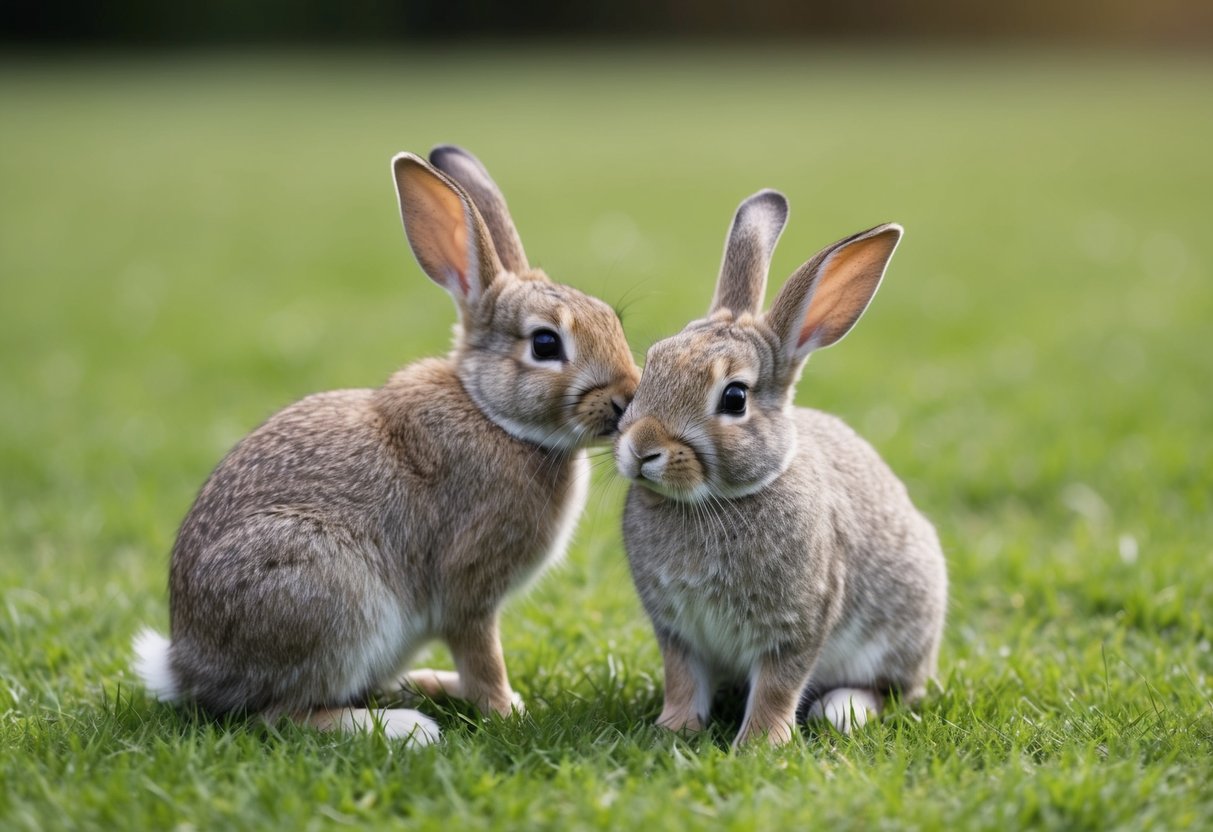
If you’ve ever noticed your rabbit’s behavior change after losing a companion, you’re not alone. Many rabbit owners experience this feeling, as these pets often grieve just like we do. Understanding their emotional needs can help you support your furry friend during this tough time.
In this article, you’ll learn more about how rabbits cope with the loss of a friend. We will explore why the bond between rabbits is so strong and what you can do to help your remaining pet adjust.
Understanding Rabbit Psychology and Social Structure
Rabbits are social creatures that thrive on companionship and bonding. Understanding their psychology is key to ensuring they lead happy lives, especially after the loss of a partner. Let’s explore why companionship matters and how to recognize signs of loneliness in your rabbit.
The Importance of Companionship for Rabbits
Rabbits are naturally inclined to live in groups. In the wild, they form close bonds with other rabbits to feel secure and safe. When one rabbit dies, the remaining rabbit can feel a deep sense of loss. This disruption can lead to changes in behavior and health issues.
Bonded rabbits share a unique connection. They groom each other and engage in playful activities. This companionship is crucial for their emotional well-being. When living alone, your rabbit may require extra interaction, such as playtime and cuddles, to compensate for the absence of a buddy.
Providing another rabbit as a companion can help alleviate loneliness. Just make sure to introduce them slowly and carefully, allowing them to bond at their own pace.
Recognizing Signs of Loneliness in Rabbits
If your rabbit has lost a companion, watch for changes in behavior. Common signs of a lonely rabbit include:
- Lethargy: Your rabbit may become less active and spend more time sleeping.
- Decrease in Appetite: A lack of interest in food can indicate sadness.
- Destructive Behavior: Lonely rabbits may chew or dig more as a way to cope.
- Excessive Grooming: Over-grooming can be a sign of stress or anxiety.
It’s important to pay attention to these behaviors. Taking action, such as offering more human interaction or considering a new friend for your rabbit, can help them adjust. Remember, companionship plays a vital role in your rabbit’s happiness and health.
The Impact of Losing a Partner on Rabbits

Losing a partner can significantly affect a rabbit’s emotional and physical state. Grief and behavioral changes are common, and understanding these can help you support your bereaved rabbit during this difficult time.
Grief and Mourning in Rabbits
Rabbits experience grief just like humans do. When a rabbit loses its partner, it may show signs of deep sadness. You might notice your rabbit becoming withdrawn and less playful.
In some cases, a bereaved rabbit may display lethargy, spending more time alone and refusing to engage with you or its environment. This mourning process can lead to changes in eating habits, resulting in a loss of appetite.
Understanding that these changes are a normal part of grieving can help you provide the care and comfort your rabbit needs. Your presence and gentle affection during this time can be invaluable.
Behavioral Changes in Bereaved Rabbits
You may observe a range of behavioral changes in your rabbit after losing a partner. Some rabbits may become aggressive, displaying destructive behavior as a way to express their distress.
This aggression can manifest as biting or scratching at objects in their space, showing their inner turmoil. Others may simply appear disinterested in their usual activities, leading to lethargy.
Recognizing these signs is crucial. Providing a safe and nurturing environment can help your rabbit cope with the loss. Offering gentle interaction and a comforting routine will support their emotional healing.
Supporting a Lonely Rabbit
When a rabbit loses a companion, it can experience loneliness and grief. Supporting your bunny during this time is important to help it heal and maintain its well-being. Here’s how you can provide comfort and enrichment.
Providing Comfort to a Grieving Rabbit
Start by giving your rabbit extra attention. Spend time sitting near it and gently petting. Your presence can provide much-needed comfort.
Maintain routines to create a sense of stability. Regular feeding and playtimes can help your rabbit feel secure.
Consider placing an item that belonged to the lost companion in its space. Familiar scents can offer solace.
Keep an eye out for changes in behavior. If your rabbit seems withdrawn, it may need more support. Offer treats and engage with toys to encourage interaction.
Environmental Enrichment Strategies
Creating a stimulating environment can significantly improve your rabbit’s mood. Introduce new toys to capture its interest. Items like tunnels, chew toys, and puzzles can provide mental engagement.
Make changes in its habitat. Adding fresh bedding and rearranging furniture can spark curiosity.
Consider safe spaces where your rabbit can explore and feel secure. Hide treats around its environment to encourage foraging. This stimulates natural behaviors and keeps your rabbit active.
Use boxes or tunnels for fun hiding spots. This can help reduce feelings of loneliness and create a playful atmosphere.
When to Consider Adopting Another Rabbit
Think about adopting another rabbit only when you’re sure your current one is ready. If your bunny is showing signs of consistent loneliness, it may be time to explore this option.
Meet potential companions in a neutral space. Observe how your rabbit interacts with them before deciding. It’s essential that they get along well.
Consider adopting rabbits that have similar energy levels and personalities. This can improve the chances of a successful bond.
Introducing a New Partner to a Lonely Rabbit
Introducing a new rabbit can be delicate. Start by keeping them in separate spaces. Let them get used to each other’s scent through blankets or toys.
After a few days, you can begin supervised meetings in a neutral area. Look for signs of comfort, like relaxed body language or gentle grooming. If one rabbit shows aggression, separate them and try again later.
Gradually increase their time together. Patience is essential to help them form a strong bond. Offer treats for positive interactions, helping both rabbits associate each other with good experiences.
These steps help ease the transition and promote lasting friendships.


