
As a rabbit owner, you might wonder if your furry friend needs a bath. Most rabbits do not need regular baths, as they are naturally clean animals and groom themselves well. However, there are specific situations where bathing may be necessary, such as when they get into something sticky or smelly.
If you’re faced with the decision to bathe your rabbit, it’s important to know how to do it safely and effectively. Many owners worry about causing stress or harm to their pets, but with the right approach, you can keep your rabbit clean without the fuss.
In this article, you’ll discover when bathing a rabbit is appropriate, the best methods to use, and what really matters for your pet’s hygiene and health. Let’s dive into the world of rabbit care and find out how to keep your bond strong while ensuring your little companion stays happy and clean.
Understanding Rabbit Grooming Basics

Grooming your rabbit is essential for their health and happiness. They have natural behaviors that help them stay clean, and brushing their fur is an important part of your care routine. Let’s explore how these factors play a role in rabbit grooming.
Natural Grooming Behaviors
Rabbits are great at grooming themselves. They have a natural instinct to keep their fur clean and tidy. By using their teeth and paws, they can effectively remove dirt and loose hairs.
However, there are times when self-grooming isn’t enough. For example, older rabbits or those who are sick may need some extra help. If you notice your rabbit struggling to clean itself, it’s important to step in and assist.
Regularly observing your pet’s grooming habits can also help you spot any signs of health issues. For instance, a rabbit that suddenly stops grooming may need a vet check-up.
The Role of Fur Brushing
Brushing your rabbit’s fur is key for their grooming routine. It keeps their coat clean and reduces the chances of hairballs. A good brushing session can remove loose fur and prevent matting, which can be uncomfortable for your rabbit.
Use a soft-bristled brush designed for rabbits. Start slow, allowing your pet to get used to the brushing process. As a handy tip, brush your rabbit in a quiet area to help them relax.
Aim to brush your rabbit at least once a week, or more frequently during shedding seasons. This not only keeps their coat healthy but also strengthens the bond between you and your furry friend.
When and Why to Bathe Your Rabbit
Bathing your rabbit is not a common practice, as they usually groom themselves. However, there are specific situations where baths or spot cleaning are necessary. This section covers when to consider giving your rabbit a bath, especially addressing urinary accidents and fecal matter.
Addressing Urinary Accidents and Fecal Matter
Sometimes, rabbits may experience urinary accidents or get feces stuck in their fur. This can happen due to health issues or old age. If your rabbit has trouble cleaning itself, these situations require your attention.
- For urinary accidents, check the fur around the genital area. If it’s wet or soiled, a bath may be necessary.
- Fecal matter can also cling to their fur, leading to a mess. It’s essential to clean this promptly to prevent skin irritation.
In these cases, you can use a warm, wet cloth to clean the affected areas. Be gentle to avoid stressing your rabbit. If the problem persists, consult with a vet to rule out any underlying health issues.
Spot Cleaning Techniques
Spot cleaning is often the best approach for minor messes. It helps you maintain your rabbit’s hygiene without the stress of a full bath.
-
Prepare Your Supplies:
- Use lukewarm water and a hypoallergenic, non-medicated shampoo.
- Have a soft towel ready for drying.
-
Technique:
- Wet a cloth in the lukewarm water and gently dab the soiled area.
- Avoid soaking your rabbit. Focus on the specific spots that need cleaning.
-
Post-Cleaning Care:
- After cleaning, use a towel to pat dry the area.
- Reward your rabbit with a treat to create a positive experience.
Using these techniques can help maintain your rabbit’s cleanliness and comfort, reducing the need for baths.
How to Safely Bathe a Rabbit

Bathing a rabbit requires careful preparation and awareness of safer alternatives. Here are some important steps to ensure the experience is comfortable and safe for your pet.
Preparing for the Bath
Before you start, gather all necessary supplies. You will need a gentle rabbit shampoo, a soft cloth, and towels. Choose a small tub or sink for the bath. Make sure to fill it with a few inches of lukewarm water.
Calm your rabbit by speaking softly. You might want to have someone help hold your rabbit if they’re nervous. During the bath, always support their back legs to make them feel secure.
Start by wetting only the areas that need cleaning. Avoid getting water on their face, as rabbits can be sensitive. Rinse thoroughly to remove all shampoo, which can irritate their skin if left behind.
Keep the bathing time short to minimize stress. Once done, gently wrap your rabbit in a towel to dry them off. You can also use a hairdryer on a low setting, but be cautious.
Bathing Alternatives
Instead of a full bath, consider alternatives that may be less stressful. Spot cleaning is a great option for dirty areas. Use a damp cloth to clean specific spots without soaking your rabbit.
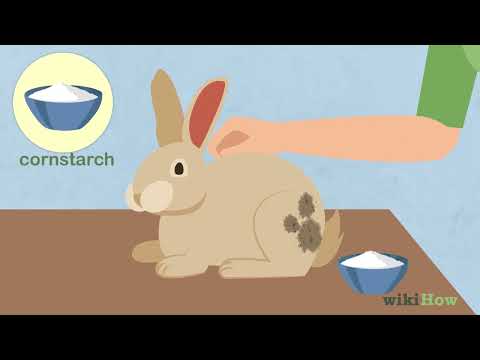
You can also use baby cornstarch to absorb dirt. Just sprinkle it in the dirty area and brush away any residue. This method is safe and keeps your rabbit dry.
If your rabbit has a particularly sticky mess or health concern, a dry bath with cornstarch may be the best choice. This helps keep your rabbit clean without the risks associated with water.
Always monitor your rabbit’s behavior during the process. If they seem upset, it’s best to stop and try again later.
Special Considerations for Rabbit Breeds

When caring for rabbits, it’s important to consider their breed. Different breeds have unique grooming needs that can influence whether they require baths.
Long-Haired vs. Short-Haired Breeds
Long-haired breeds, like Angora rabbits, need more grooming than short-haired types. Their fur can mat easily, leading to skin issues.
Regular brushing is essential to keep their coats healthy. Use a soft brush designed for rabbits.
Short-haired breeds, such as the Holland Lop, generally require less maintenance. These rabbits can stay clean with occasional spot cleaning.
You can use baby wipes or a damp cloth on dirty areas.
Remember, both types should only be bathed when absolutely necessary, as water can harm their skin. Bathing should be a last resort for any rabbit.


