
Ever wondered if opossums actually talk? They don’t use words like we do, but opossums definitely make some interesting sounds—think hissing, growling, and this odd clicking noise during mating season. Baby opossums even make a sneeze-like call when they want their mom’s attention.
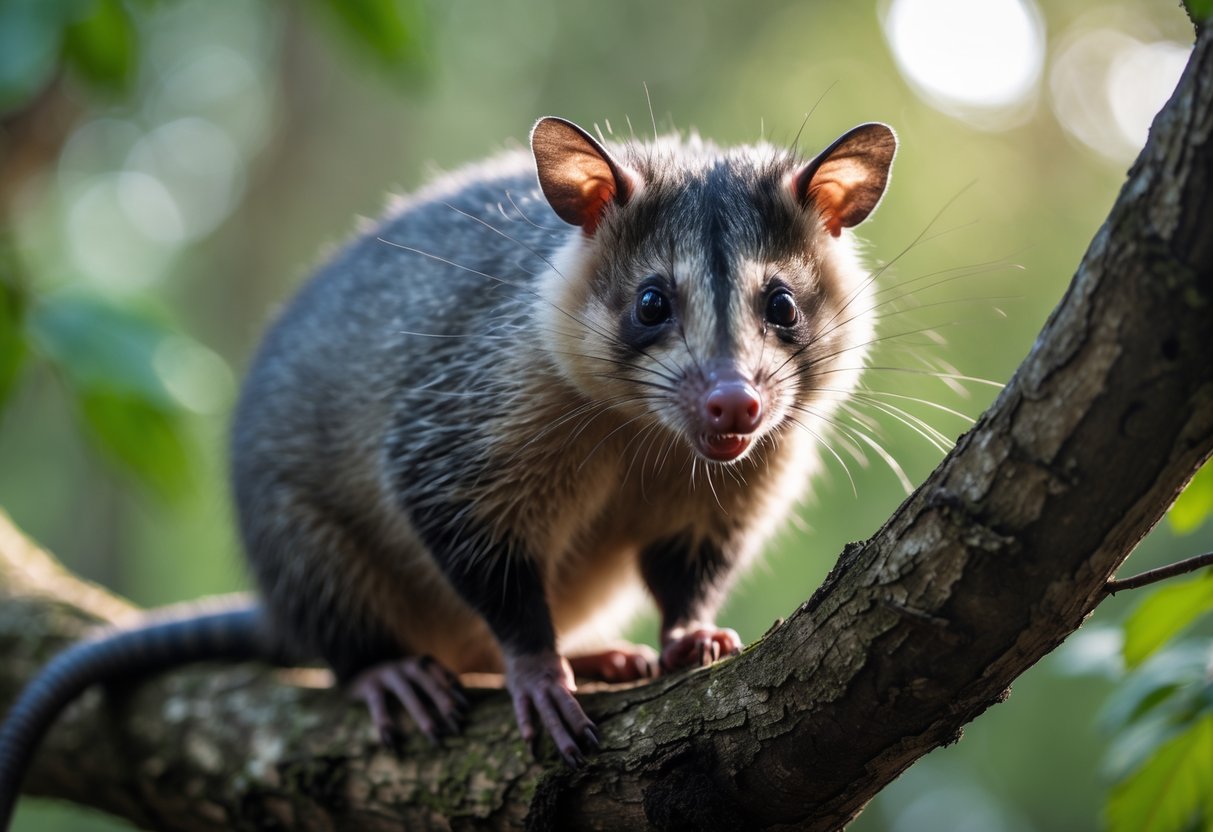
If you’re ever outside at night and hear some quiet, strange noises, maybe it’s an opossum nearby. Learning about how they communicate might just make you see these little marsupials differently.
How Opossums Communicate

Opossums have a few ways to get their messages across. They rely on sounds, body movements, and even some clever signals to stay safe and connect with others.
If you pay close attention, you’ll start to notice how they interact with the world around them.
Vocalizations and Sounds
Opossums don’t talk like us, but they’re not silent. Baby opossums will make a sneeze-like noise to call for their mom.
That little sneeze might sound cute, but it’s a real lifesaver for the babies.
Adults go for hissing and growling when they’re scared. Those noises basically say, “back off!”
During mating season, you might hear them make clicking sounds to attract a mate.
Here’s what some of their sounds mean:
- Sneeze-like calls: Babies asking for mom
- Hissing and growling: Telling threats to stay away
- Clicking: Trying to find a mate
These vocalizations help opossums protect themselves and talk to their family source.
Body Language and Behavior
Opossums don’t just use their voices—they also communicate with their bodies. When they get scared, they might freeze or “play dead.”
That’s where the phrase “playing possum” comes from. It’s a trick that fools predators into thinking they’re not worth the trouble.
Mother opossums use scent to guide their babies, especially since the little ones can’t see at first. You might spot an opossum flicking its tail or changing posture, which can show if it’s relaxed or on alert.
If you notice these signs, you’ll get a better sense of what an opossum is feeling, even if it’s totally quiet source.
Comparing Opossums and Possums
People mix up “opossum” and “possum” all the time, but they’re not exactly the same. Opossums live in North and South America.
The Virginia opossum is the only one you’ll find in the U.S. and Canada.
Possums hang out in Australia and nearby islands. They act a bit differently—brushtail possums, for example, growl and grunt at night, not really like an opossum’s hiss or sneeze.
If you see a “possum” in the U.S., it’s actually an opossum. In Australia, though, you’re meeting a whole different animal with its own quirks source.
Unique Communication Traits of Marsupials
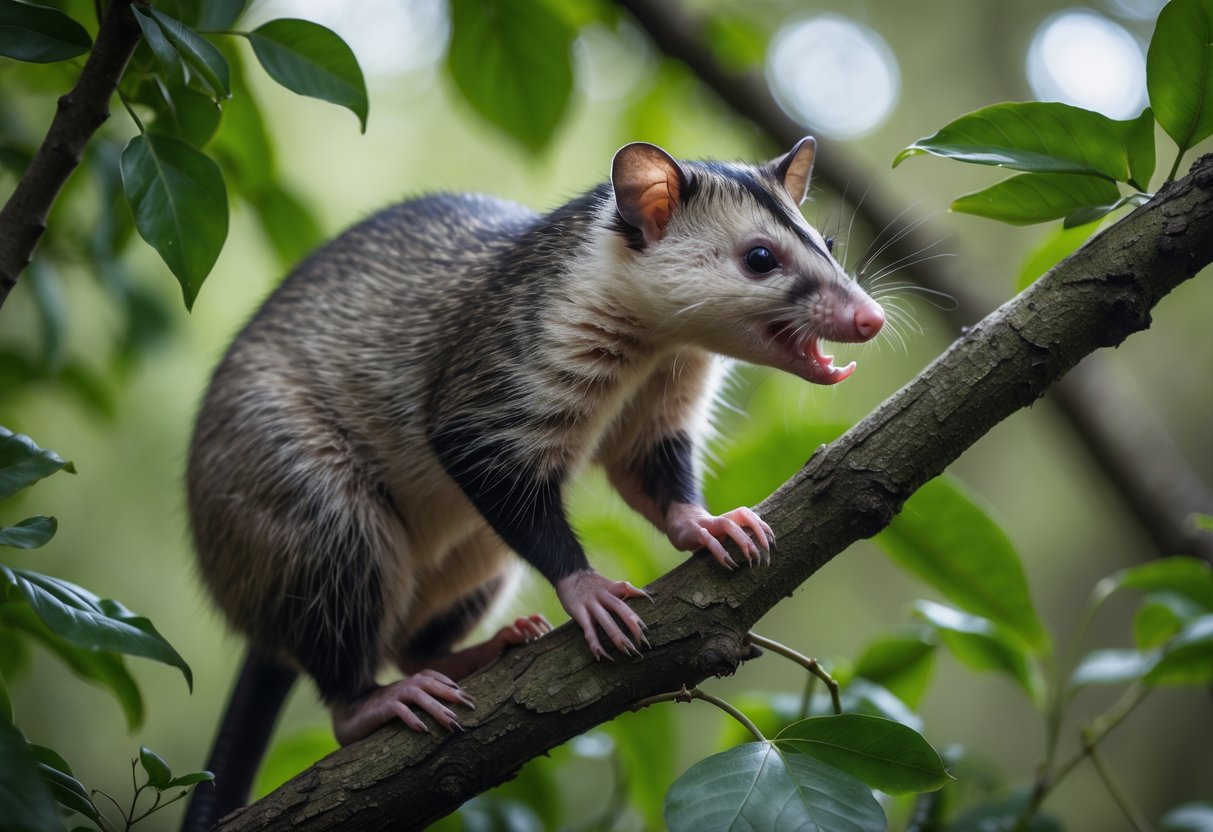
Marsupials like opossums have some pretty wild ways to communicate and stay safe. Their behaviors and sharp senses help them deal with predators and raise their babies in some tough situations.
Why Opossums Play Dead
When danger shows up, opossums don’t always run. Sometimes, they “play dead” instead.
They’ll flop over, drool, and even let out a terrible smell. Predators usually lose interest because, let’s face it, no one wants a stinky, lifeless meal.
Opossums don’t really choose to do this—it just happens, kind of like fainting. Sometimes it lasts a few minutes, sometimes hours, depending on how long the threat sticks around.
Playing dead is honestly one of the smartest tricks your local opossum has for staying alive.
Sensory Communication Abilities
Opossums rely on smell and sound to communicate with their babies, mates, and other opossums. Their scent glands send out signals, which help tiny babies track down their mother inside her pouch.
They’ll make noises—growls, hisses, clicks—if they feel scared or threatened. These sounds act as warnings or sometimes just an attempt to spook whatever’s bothering them.
Opossums also trust their sharp sense of smell to sniff out food like insects, fruits, or even venomous snakes. With these senses, they manage to stay safe and find what they need to get by.
It’s honestly pretty fascinating how marsupials like opossums use such a mix of tools to survive and connect in the wild.
Learn more about these behaviors from Opossum | San Diego Zoo Animals & Plants.


