
Ever wondered if little honey bees sting? You’re definitely not alone. Lots of folks think small bees might be harmless because they’re tiny, but here’s the truth: even little honey bees can sting if they feel threatened.
They usually leave you alone unless they need to protect themselves or their hive.

You’ll probably spot these tiny bees buzzing around your garden or flowers, busy with their pollinating work. The upside? They’re mostly too focused on their job to bother stinging you unless you mess with them.
If you know when and why these bees sting, you can avoid getting hurt and still appreciate what they do for nature.
Understanding how little honey bees act can help you feel more at ease around them. That knowledge might just make your time outdoors a bit safer—and honestly, more enjoyable.
If you want to know what to look out for and how to stay safe, let’s keep going.
Do Little Honey Bees Sting?

Little honey bees—especially the worker bees you see darting around flowers—do have stingers. Not every honey bee can sting, though.
Their stinging behavior really depends on what’s making them feel threatened. If you know which bees can sting, why they do it, and what actually happens when one stings, you’ll be better prepared to avoid trouble and respect these fascinating insects.
Which Honey Bees Can Sting
The most common honey bee species is Apis mellifera. In any hive, only the females have stingers.
So, worker bees and the queen bee can sting, but drones (the males) can’t.
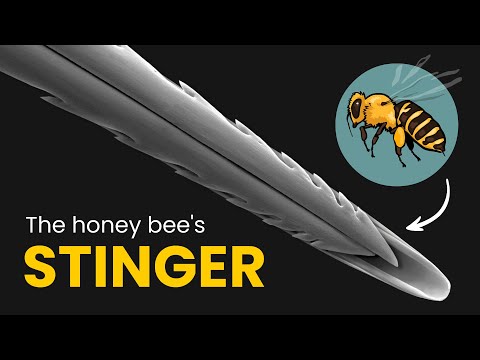
Worker bees are the ones you see foraging for nectar and pollen. They’ve got a special barbed stinger for defending the hive.
The queen has a stinger too, but she mostly uses it to fight off rival queens inside the hive. Drones don’t have stingers at all, so they’re harmless.
When you hear about honey bee stings, it’s usually worker bees protecting their home or queen.
Why Honey Bees Sting
Honey bees sting mainly to defend their hive and keep the queen safe. If you get too close to the hive or bother the bees, worker bees might feel threatened and sting.
They rarely sting while they’re out gathering food because they don’t have anything to protect out there.
Stinging is risky for a honey bee. Their barbed stinger gets stuck in your skin.
When a worker bee stings, she usually dies after, so stinging is kind of a last resort. Bees aren’t aggressive just for the fun of it—they’re just trying to keep their colony safe.
Sting Mechanism and What Happens Afterwards
A honey bee’s sting has three main parts: a sharp barbed tip, a venom sac, and muscles that pump the venom in. When a bee stings you, the barbs get lodged in your skin.
The venom sac keeps pumping venom for a bit after the sting. Since the stinger is barbed, the bee can’t pull it out easily.
When she tries to fly away, the stinger stays in your skin, and sadly, the bee dies. That makes the sting hurt, but it also means the bee is sacrificing herself.
If you remove the stinger quickly, you can cut down on how much venom gets into your skin. Scraping it off works better than pinching it.
After a sting, the spot might swell or itch as your body reacts to the venom.
Want more details on how bee stings work? Check out this page on the sting mechanism and defensive behavior of honey bees.
How Honey Bee Stings Compare to Other Bees
People often say honey bee stings are painful, but how do they stack up against stings from other bees or wasps? The size of the stinger, how it feels, and the insect’s behavior all play a part.
Bumble Bees and Bombus
Bumble bees, from the genus Bombus, have bigger, smoother stingers than honey bees. Because of that, their sting usually hurts less—it doesn’t get stuck in your skin like a honey bee’s barbed stinger does.
Bumble bees can sting more than once without hurting themselves.
They’re not very aggressive unless you get too close to their nest or bother them. Like honey bees, bumble bees help pollinate plants.
Their stings feel duller, and they don’t send out alarm signals to other bees nearby. So, it’s less likely you’ll get stung multiple times by bumble bees.
Mason Bees and Solitary Bees
Mason bees and other solitary bees are smaller and pretty gentle. They usually won’t sting unless you handle them roughly.
Their stingers are smooth, so technically they could sting more than once, but it hardly ever happens. These bees are peaceful pollinators and don’t live in big colonies.
Since they don’t have hives to guard, they don’t act defensively like honey bees do. If you do get stung, the pain is usually mild and doesn’t last long.
Mason bees, especially, are great for gardens and almost never sting.
Differences From Wasp Stings
Wasp stings usually feel sharper, and honestly, they hurt more than bee stings. Wasps have smooth stingers that don’t get stuck, so they just keep on stinging if they want to.
Their venom hits fast, causing quick pain and swelling. Wasps act more territorial and predatory, which makes their stings feel a bit more aggressive.
If a wasp gets you, you’ll probably notice a sudden, intense sting. That’s often followed by itching or a burning sensation, which isn’t exactly pleasant.
Honey bee stings, on the other hand, usually hurt in a more localized spot. Bees tend to leave their stinger behind, and that stinger keeps pumping in venom until you pull it out.


