
Ever notice how frogs suddenly get noisy right before it rains? If you’ve wondered if frogs actually know when rain’s coming, well, the answer is yes. Frogs pick up on tiny shifts in air pressure and humidity, which clue them in that rain’s on the way.
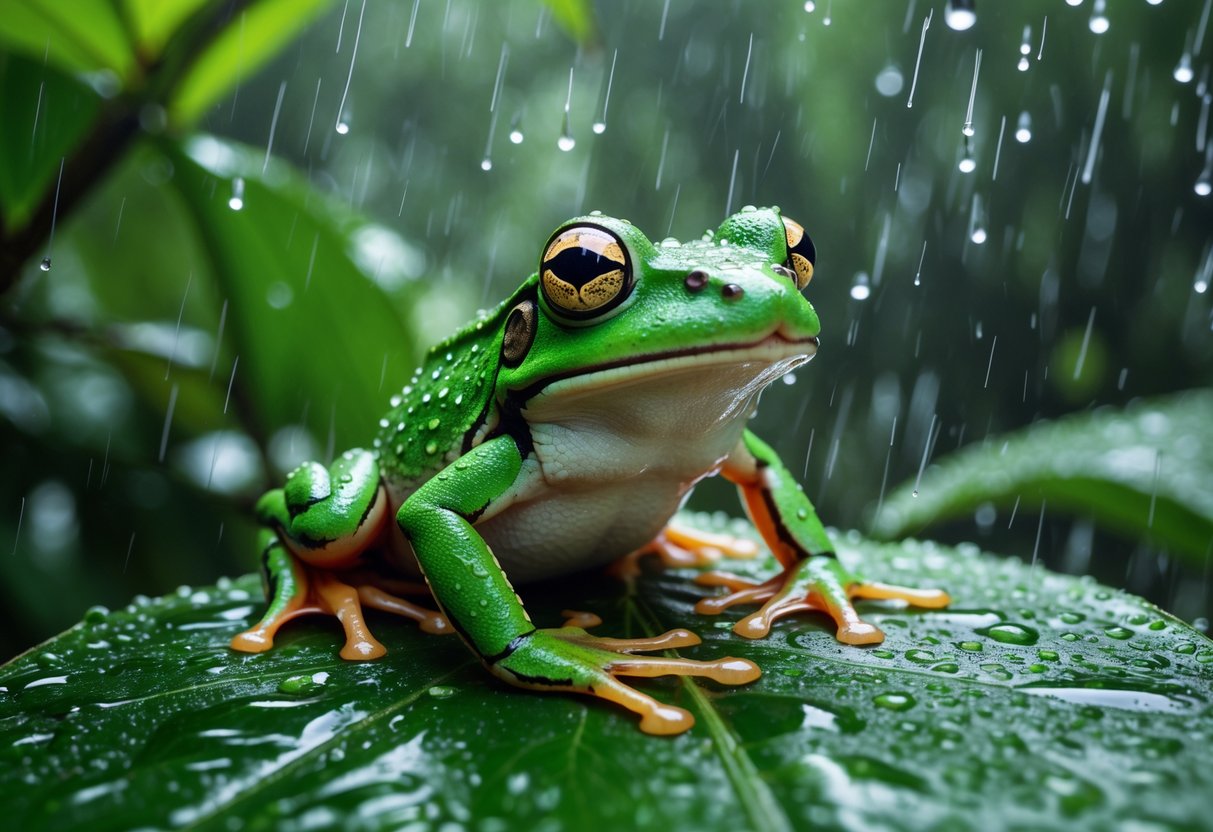
This lets frogs get ready to mate or move to water. Rain creates those perfect wet conditions they need.
You’ll probably see more frogs out and about after it rains. The damp weather draws them out of hiding and gets them exploring.
It’s honestly pretty wild how tuned in frogs are to their surroundings. Their croaks aren’t just random noise—they’re a natural signal you can listen for when the weather’s about to flip. If you want more details on how frogs sense rain, check out how they react to moisture and air changes.
How Frogs Detect and Respond to Rain

Frogs are super sensitive to environmental changes, especially moisture and weather. They use their senses to notice when rain’s coming and switch up their behavior to make the most of it.
Why Frogs Become Active Before and During Rain
You’ll see frogs getting more active right before and during rain. Wet conditions help them survive and reproduce.
Rain makes the ground moist, which matters since frogs breathe through their skin and dry out fast.
Rain also kicks off the breeding season. Adult frogs use this time to find mates and lay eggs in ponds or puddles.
The rain gives their eggs a better shot at hatching and helps young frogs grow.
So, frogs leave their hiding spots and move around more when it’s humid or rainy to soak up all that moisture.
Frogs’ Sensory Abilities Related to Moisture and Weather
Frogs notice changes in humidity and drops in barometric pressure—stuff that usually happens before it rains. Their senses help them get ready for wet weather.
Frogs’ skin is super sensitive to moisture. They feel when the air gets humid and seem to know rain isn’t far off.
Some studies even suggest frogs react to the sound of rain.
This special sense helps frogs decide when it’s safe to come out and get busy with eating or breeding.
Communication and Croaking in Rainy Weather
When the air turns moist before or during rain, male frogs often start croaking like crazy. Croaking helps them attract females for mating.
The sound gets louder and more frequent in rainy weather. Frogs feel safer being active when it’s wet.
Moisture keeps their skin from drying out, so they don’t lose water as fast.
You’ll often hear frogs croak more before a storm. This behavior ties directly to how they respond to changes in air pressure and moisture during the rainy season. If you’re curious about their croaking habits, check out this explanation about why frogs croak more before it rains.
The Importance of Rain for Frog Survival and Reproduction
Rain changes the environment in ways that help frogs live and grow. It creates special places for frogs to breed, brings out food they need, and supports every stage of a frog’s life from egg to adult.
Breeding Habits and the Creation of Ephemeral Ponds
Rain fills up temporary ponds called ephemeral ponds. These spots are crucial for frogs, toads, and salamanders during breeding season.
Without these ponds, frogs can’t lay their eggs safely.
You might spot frogs gathering around these ponds right after heavy rains. The water usually doesn’t have fish, so tadpoles have a safer place to grow.
Rain cools the area, which helps eggs develop and boosts sperm production.
These ponds don’t last long, so frogs have to mate and lay eggs quickly. If the water dries up too soon, the eggs or tadpoles might not make it.
That’s why rain is so important for their breeding success.
Feeding Opportunities: Worms, Snails, Slugs, and More
Rain makes the ground damp and brings out worms, snails, slugs, and other small snacks frogs love.
These critters usually hide when it’s dry, but they get active during and after rain.
You’ll notice more food around when it rains because insects move more in wet weather. Frogs can catch prey more easily and save energy.
They also grab insects and invertebrates knocked down by raindrops. So, rain means a full belly and better health for frogs.
Frog Life Cycle: Eggs, Tadpoles, and Froglets
Frogs really rely on rainwater for every stage of their life. They lay their eggs in water, and those eggs hatch into tiny tadpoles.
Tadpoles need clean, fresh water if they’re going to make it to the next stage. If rain fills up the ponds, it gives eggs a fighting chance and lets tadpoles swim around and find food.
But when there isn’t enough rain, ponds can dry up fast. That puts the tadpoles in real danger.
After a few weeks, tadpoles start turning into froglets. Rain keeps their skin moist and makes sure they have the damp places they need to survive as they move onto land.


