
You might wonder if female lions get kicked out like the males. Most of the time, that’s not what happens. Female lions usually stick with their birth pride for life. Staying helps them hunt, raise cubs, and defend territory alongside sisters and mothers.
Most female lions don’t get expelled; they leave only if things get really tough—like when food runs out, a pride takeover happens, or social tension gets out of hand.

So, what actually makes a lioness leave? It’s not a simple answer. Pride life shapes her choices, and the presence of males or changes in the environment can push her to go. Here, you’ll find out when lionesses decide to leave, what dangers they face on their own, and just how much those pride bonds matter for survival.
Why and When Do Female Lions Leave Their Pride?

Young and adult lionesses leave for a few clear reasons. If there’s danger from new males, not enough food, or a risk of breeding with close relatives, they’ll go. Usually, they move when staying would threaten their cubs or their own health.
Dispersal During Male Takeovers
When rival males take over, they kill cubs sired by the old males. Female lions sometimes leave to protect future litters or just escape the violence. If a new coalition of males moves in, the risk of infanticide and chaos shoots up fast.
Some lionesses join a nearby pride or team up with sisters to form a small group. Moving during or right after a takeover isn’t rare. The social structure can change overnight, and sometimes even the resident females turn on each other. It’s a risky move, but sometimes it’s the only shot at keeping cubs safe.
Resource Scarcity and Competition
When prey gets scarce, competition inside the pride ramps up. Older, dominant females grab first dibs at kills. If the pride grows too big for the territory, younger lionesses may leave to find better hunting grounds.
Some leave with sisters or cousins, hoping there’s strength in numbers. Going solo is a gamble—hyenas and other lions are always a threat. These days, shrinking habitats make food even harder to find, so dispersal happens more often than you might think.
Genetic Diversity and Inbreeding Avoidance
Sometimes, lionesses leave to avoid mating with close relatives. If they stay, inbreeding becomes a real risk since pride members are often related. By moving, they help keep the gene pool healthy and dodge inherited problems.
Female dispersal usually kicks in around 2 or 3 years old, right as they reach sexual maturity. They might join another pride, start a new one, or stick with a small group of females. Any of these options helps avoid inbreeding and keeps future generations stronger.
Lion Social Structure and Life in the Pride
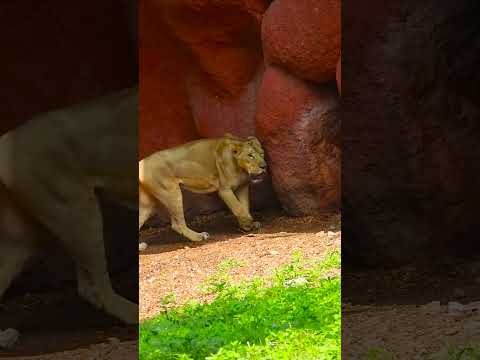
A pride centers around related females who share territory, hunts, and cub care. You’ll see strong bonds, clear roles, and teamwork that keeps the group steady and able to raise young.
Roles and Bonds Among Lionesses
You’ll usually find mothers, daughters, and sisters at the heart of every pride. These related lionesses form the stable backbone of pride life. Older, experienced females know where to find water and prey, so they lead the way and defend the territory.
Daily life splits up tasks. Some scout and mark boundaries, while others guard the cubs. Social grooming and resting close together keep bonds tight and stress low. These relationships really matter—cooperation means fewer females need to leave the pride.
You can spot rank by who eats first, who leads hunts, and who gets the best spot at a fresh kill. The strong female network helps the pride survive when new males show up or when food gets scarce.
Cooperative Hunting Strategies
When lionesses hunt, you see real teamwork. Most hunts happen at dawn or dusk. Lionesses split into roles: some drive prey, others wait in ambush. They usually go after zebras, wildebeest, or buffalo calves.
Communication is subtle—sight, scent, and quiet calls. Lionesses use tall grass or ridges to hide and time their attack. Groups of three to six usually have the best luck. After a kill, the dominant ones eat first, then the rest.
Cooperative hunting keeps cubs fed and means fewer females have to leave to find food alone. It also shapes how pride members share space and resources.
Cub Rearing and Social Support
Several lionesses care for cubs, not just their moms. You’ll notice they share nursing, babysitting, and even step in to protect against predators like hyenas.
Lionesses often line up their births so they can nurse each other’s cubs. That move definitely boosts survival rates during those tough first months.
Mothers usually focus on moving cubs to safer dens. They also start teaching the basics of stalking as the cubs get older.
Other pride members step up to defend territory and chase away intruders. Male coalitions sometimes add extra protection, though honestly, they can become a threat to cubs if a takeover happens.
This whole shared rearing thing really shows how much pride members invest in their group’s future. By working together, they lower the risk for each mother and help keep the pride steady from season to season.
Curious about pride dynamics or why females stick around in their natal groups? Check out Dynamics of the Pride.


