
Honestly, it’s pretty straightforward: when a lioness gets pregnant, she leaves her pride, sneaks off to a hidden den, and gives birth to one to four cubs after about 110 days. She does everything solo at first—picking that secret spot, delivering each cub, cleaning them up, and sticking close to nurse and protect them.

Curious about what labor looks like? Or where she actually gives birth? You’ll find out how long cubs stay hidden and what happens when the pride finally gets involved. There’s also the real risk of male takeovers threatening the cubs.
Let’s dig into the birthing steps, the first days of care, and how the pride fits in. This way, you can really picture the earliest days in a lion family.
How a Lioness Gives Birth Step by Step
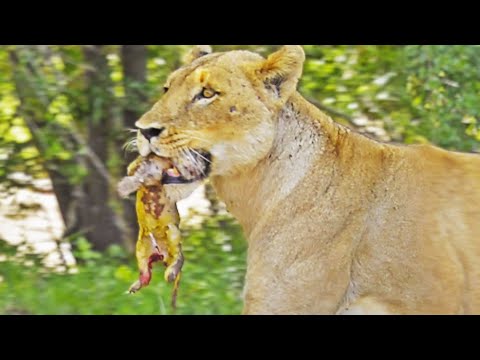
Before labor, a lioness quietly gets ready. She finds a den, goes through stages of labor, and then cleans and protects each cub as soon as they’re born.
Preparation and Gestation Period
A lioness stays pregnant for about 100 to 110 days. During that time, she eats more and usually leaves the pride to search for a quiet den in thick bushes, caves, or tall grass.
That den keeps her cubs hidden from hyenas and other predators. It helps her keep them safe.
You might notice her acting restless—she’ll pick out several hiding spots and move between them. Her belly gets rounder and her nipples swell.
Most litters have two to four cubs, though it can be as few as one or as many as six. The mother’s age and how well she eats can affect how many cubs she has and how healthy they are.
Birthing Process in Detail
Labor comes in waves of contractions. The lioness usually gives birth while standing or lying down, pushing each cub out with strong contractions.
If she has more than one cub, she takes breaks between births. Sometimes the whole thing takes several hours.
Right after a cub is born, she bites the umbilical cord and licks the cub to clear away fluid and help it breathe. Cubs arrive blind and wrapped in a thin membrane.
She licks off the membrane and warms each cub. If a cub has trouble breathing, she’ll lick and chew the cord to clear its airway—pretty crucial, honestly.
First Moments With Newborn Cubs
Once the cubs start breathing, the lioness keeps them close and licks them again and again to bond and clean them up. She circles around, nudges them, and makes sure each one finds a teat.
Newborn cubs weigh about 1–2 kilograms. Their spotted fur gives them some camouflage in the wild.
For the first few weeks, the mother moves her cubs from place to place to dodge predators and keep their scent low. She sometimes lets other lionesses nurse her babies, which helps with feeding and safety.
She keeps her distance from the pride until the cubs get strong enough to handle group life.
Raising Cubs and the Role of the Pride

Lion cubs rely on a mix of close mothering, shared care, and group protection. You’ll see intense nursing, slow introductions to the pride, and some real dangers like infanticide and disease that shape their odds.
Mother’s Care and Nursing
The mother nurses her cubs a lot. Newborns feed every few hours and depend on milk for the first months.
Nursing gives them antibodies and energy to grow quickly. She hides her cubs for about 6–8 weeks, usually in a den or thick brush.
She leaves to hunt at dawn or dusk, but always returns to nurse and clean them. Licking the cubs helps them breathe and removes scents that could attract predators.
As the cubs get older, they start tasting meat around three months but keep nursing until they’re about seven months old. The mother teaches them to stalk and pounce near the den, but real hunting lessons come later with the pride.
Pride Dynamics and Socialization
Other lionesses in the pride help out too. Females who gave birth around the same time might nurse each other’s cubs.
This shared care spreads out the risks and helps protect the cubs from outside males and hyenas. Male lions defend the territory and keep rivals away.
Resident males protect the pride from other coalitions, which lowers the risk of infanticide while they’re in charge. But if new males take over, cubs suddenly face a much higher risk—those new males might kill young cubs to get the females back into heat.
Playtime with littermates teaches cubs how to bite gently, move with coordination, and read social cues. The size and stability of the pride really affect how well the cubs get protected, fed, and socialized.
Challenges and Cub Mortality
Cub mortality is high. Honestly, you should expect some losses from predators like hyenas and leopards. Starvation can happen if the mother can’t hunt, and disease is always lurking.
In certain areas, up to half the cubs won’t make it to age two. Food supply and the stability of the pride play a big role in that.
Incoming male lions often cause sudden cub deaths through infanticide. You’ll notice females trying to shield or hide their cubs, or even mate with the new males to confuse them. Still, these efforts don’t always succeed.
Drought or a lack of prey can make things worse, since the mother’s condition and milk supply drop. That’s tough on everyone.
And now, human threats—like snaring, losing habitat, or direct conflict—pile onto the natural dangers. Pride dynamics, male takeovers, and whether there’s enough food really shape how many cubs survive.


