
Dogs are more than just pets; they often become cherished members of your family. They do form strong emotional attachments to their owners, showing loyalty and affection in unique ways. This bond can lead to a deeper emotional connection that many people cherish throughout their lives.
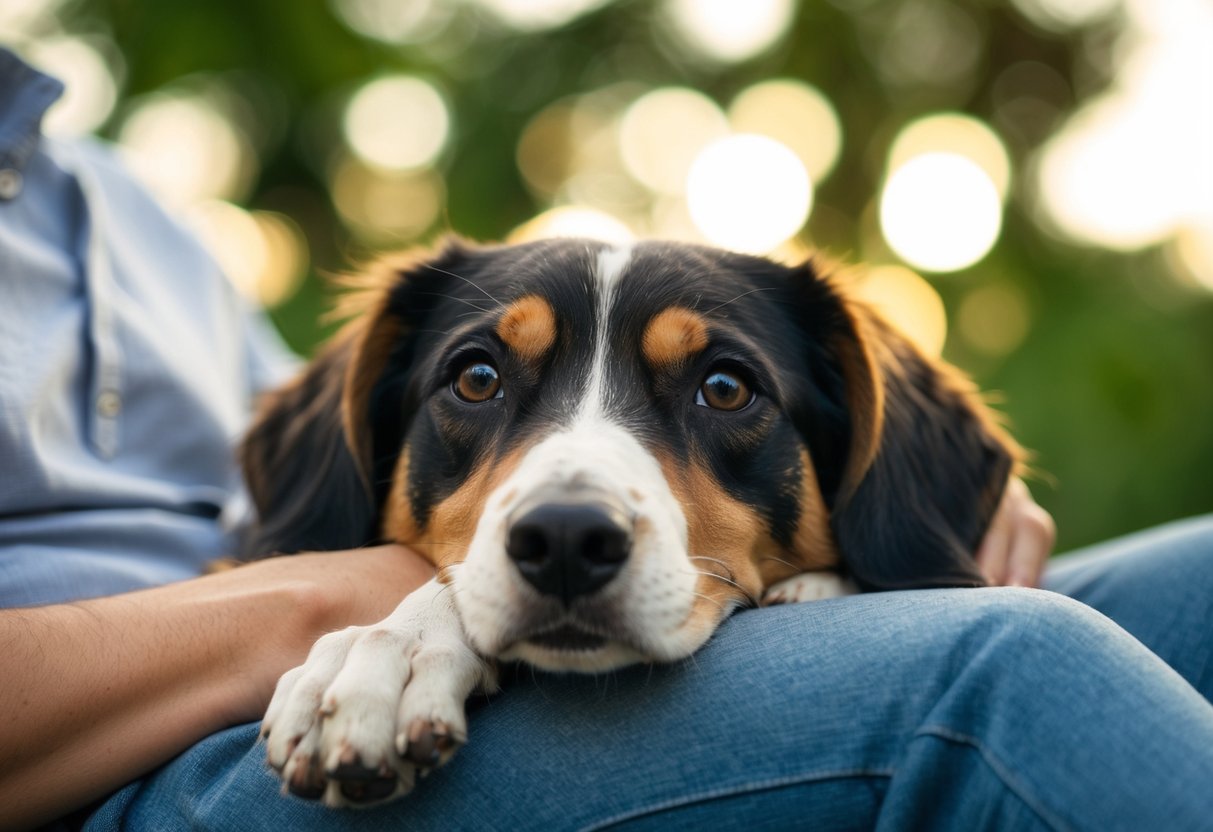
You might notice your dog following you around, seeking comfort, or showing excitement when you come home. These behaviors are signs of their attachment to you. Understanding this emotional connection can help strengthen your relationship and provide a happier life for both you and your dog.
As you explore the reasons behind your dog’s loyalty and emotional attachment, you may discover ways to enhance this special bond. You’ll learn how your actions influence their feelings and how to support their well-being, ensuring a fulfilling relationship for years to come.
The Science of Canine Attachment

When you think about the bond you have with your dog, it’s fascinating to explore how science explains this connection. Key elements like attachment theory, the role of oxytocin, and your dog’s evolutionary background all contribute to this special relationship.
Understanding Attachment Theory
Attachment theory suggests that emotional bonds form between you and your dog similar to those between humans. This bond helps create a secure relationship where your dog feels safe and supported.
For example, dogs often look to you for comfort and guidance in new situations. This is like how children rely on parents for reassurance. Over time, your consistent presence and care foster strong feelings of attachment in your dog.
The emotional relationship between you and your dog is based on trust and mutual affection. Understanding this theory helps you appreciate why your dog may prefer your company over others.
Oxytocin and the Love Hormone Effect
Oxytocin, often called the “love hormone,” plays a crucial role in how your dog forms attachments. When you interact with your dog—like petting or playing—your body releases oxytocin. This action not only strengthens your bond but also makes your dog feel happy and secure.
Studies show that when dogs look into your eyes, oxytocin levels increase in both you and your pet. This mutual release promotes feelings of love and attachment. It’s amazing to know that a simple gaze can enhance your connection and create a deeper emotional tie.
So, engaging in positive interactions with your dog is beneficial for both of you, reinforcing that human-animal bond.
The Role of Evolutionary History
Your dog’s attachment to you is also rooted in evolutionary history. Dogs were domesticated from wolves thousands of years ago. This process shaped their behaviors and social bonding capabilities.
As they became more social, dogs developed traits that allowed them to connect with humans. They learned to read human emotions and respond accordingly. Dogs that formed strong bonds with humans were more likely to survive and thrive.
This evolutionary side of canine attachment shows that your relationship with your dog goes beyond companionship. It’s a deep-rooted connection formed through generations of interaction and adaptation.
Signs and Signals of Dog Attachment
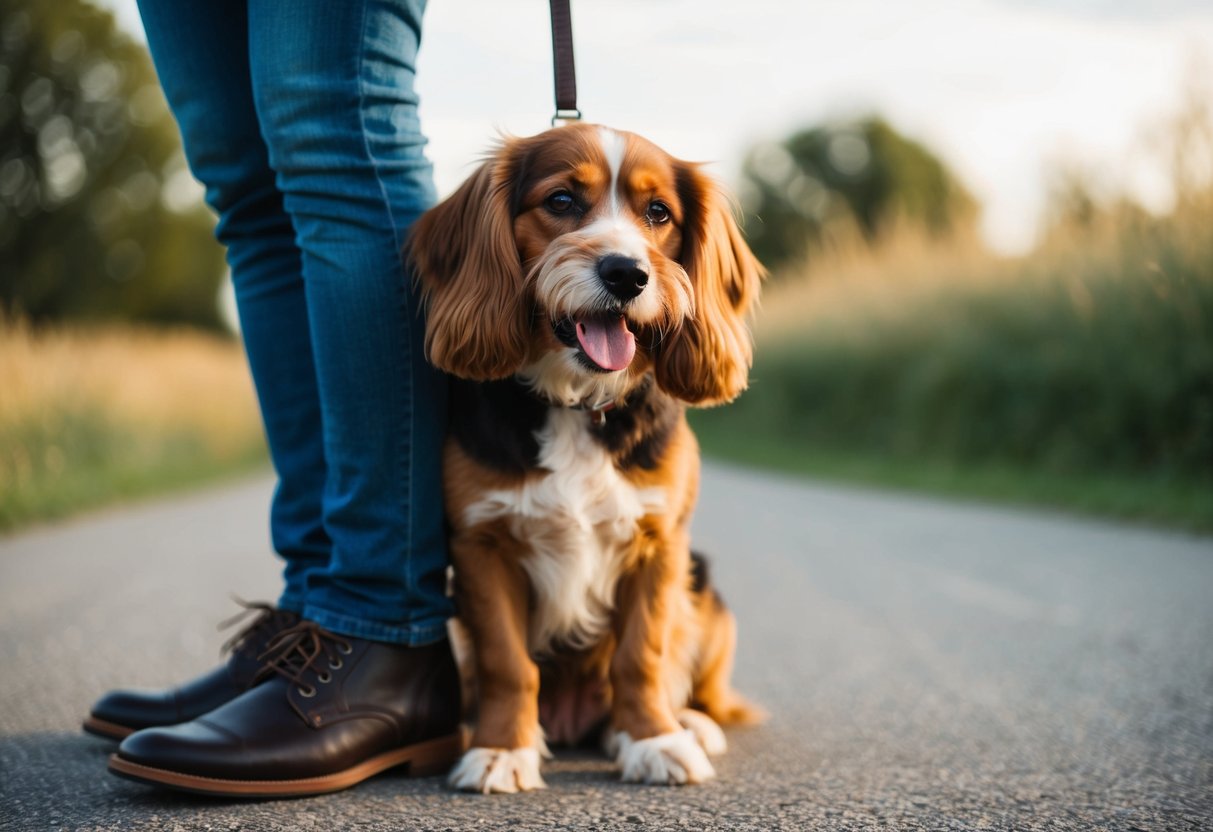
Your dog has many ways to show attachment. Understanding these signs helps you build a stronger bond. From body language to separation anxiety, paying attention to your dog’s behaviors can reveal their feelings toward you.
Reading Canine Body Language
Dogs communicate a lot through their body language. When your dog approaches you with a relaxed body posture, it’s a sign of comfort. A wagging tail, especially if it wags wide, shows excitement and happiness.
Key signals include:
- Relaxed Ears: Ears that are in a natural position signal calmness.
- Soft Eyes: If your dog’s gaze is gentle, it indicates trust.
- Licking Lips: This can be a sign of affection or that they want to calm themselves around you.
Watching these behaviors can help you understand how your dog feels.
Closeness Signals and Following Behaviors
A strong attachment often shows in how your dog wants to stay close to you. Many dogs, known as “velcro dogs,” will follow you from room to room. This shows they value your presence and feel safe with you.
Common closeness signals include:
- Leaning Against You: This action indicates they seek comfort and connection.
- Seeking Your Attention: If your dog brings toys to you or nudges you, it’s their way of asking for play or affection.
These behaviors highlight their need to be around you and share experiences.
Separation Anxiety Indicators
When a dog feels a strong attachment, separation can lead to anxiety. If your dog becomes distressed when you leave, this could be a sign of attachment.
Watch for these indicators:
- Barking or Whining: Vocalization often happens when you’re out of sight.
- Destructive Behavior: Chewing or scratching when you’re away may indicate stress.
- Pacing: Moving around restlessly shows they are anxious about your absence.
Recognizing these signs can help you manage your dog’s feelings and support their attachment in a healthy way.
Building a Strong Bond with Your Dog
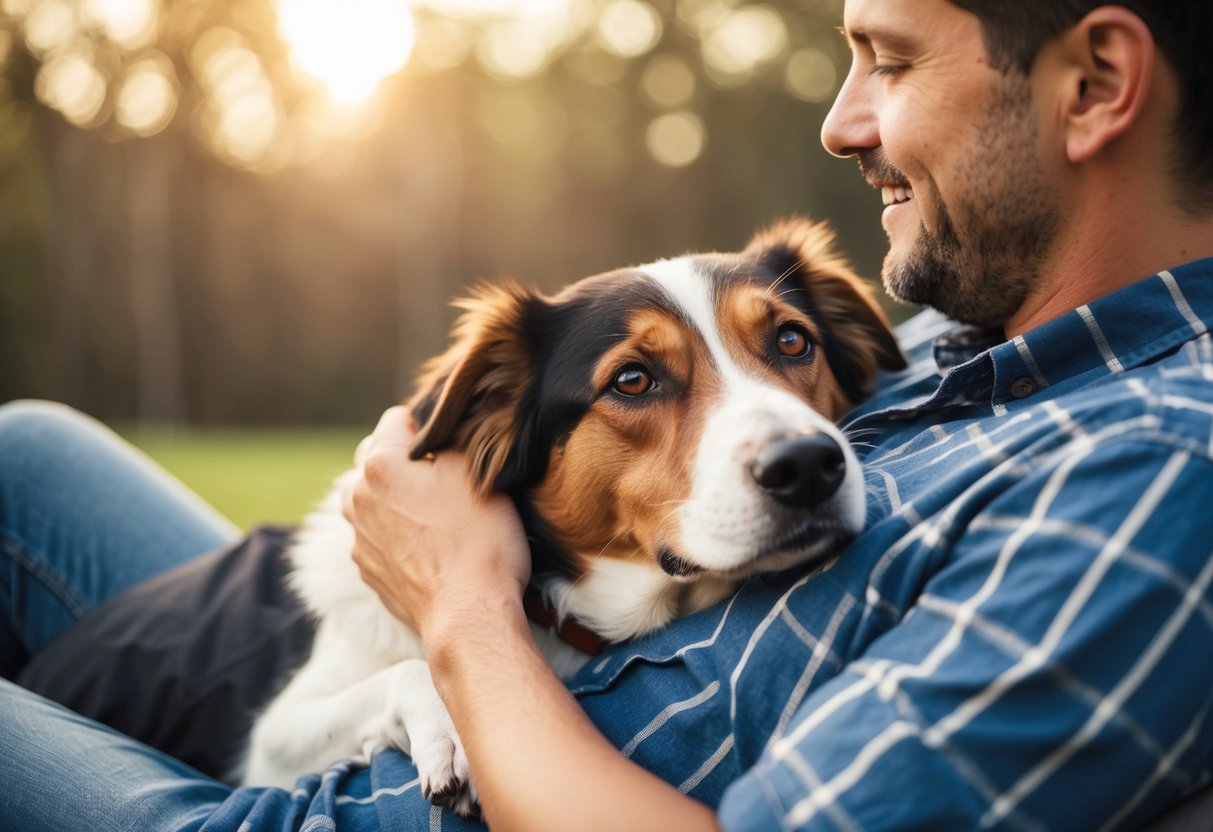
Creating a strong connection with your dog involves understanding their needs and behaviors. By focusing on socialization, setting boundaries, and using positive reinforcement, you can build trust and reduce anxiety in your pet.
The Importance of Socialization and Training
Socialization is crucial for your dog’s emotional well-being. Introducing your dog to new people, animals, and environments helps them feel secure and confident. Start this process early, especially during puppyhood.
Engage in training sessions that are fun and rewarding. Use short, positive training sessions to teach basic commands. This not only helps your dog learn but also strengthens your bond. A dog that trusts you is more likely to feel safe and less anxious in various situations.
Setting Healthy Boundaries
Setting boundaries is important for your dog to feel secure. Dogs thrive with clear rules and routines. Establish what behaviors are acceptable and what are not. Consistency is key in enforcing these rules.
When you set boundaries, your dog learns to trust you as a leader. A confident dog is less likely to experience stress or anxiety. For example, if your dog jumps on guests, calmly ask them to sit instead. This helps them understand appropriate behavior while reinforcing your bond.
Positive Reinforcement and Trust
Positive reinforcement is one of the most effective ways to encourage good behavior. Use treats, praise, or playtime to reward your dog when they follow commands or behave well. This method builds trust and makes learning enjoyable for your pet.
Avoid punishment, as it can lead to anxiety and fear, damaging the bond you share. Instead, focus on what your dog does right. The more you reward positive actions, the stronger your dog’s attachment to you will be. Happy dogs are more likely to feel safe and secure in their home.
Attachment Across Dog’s Life Stages
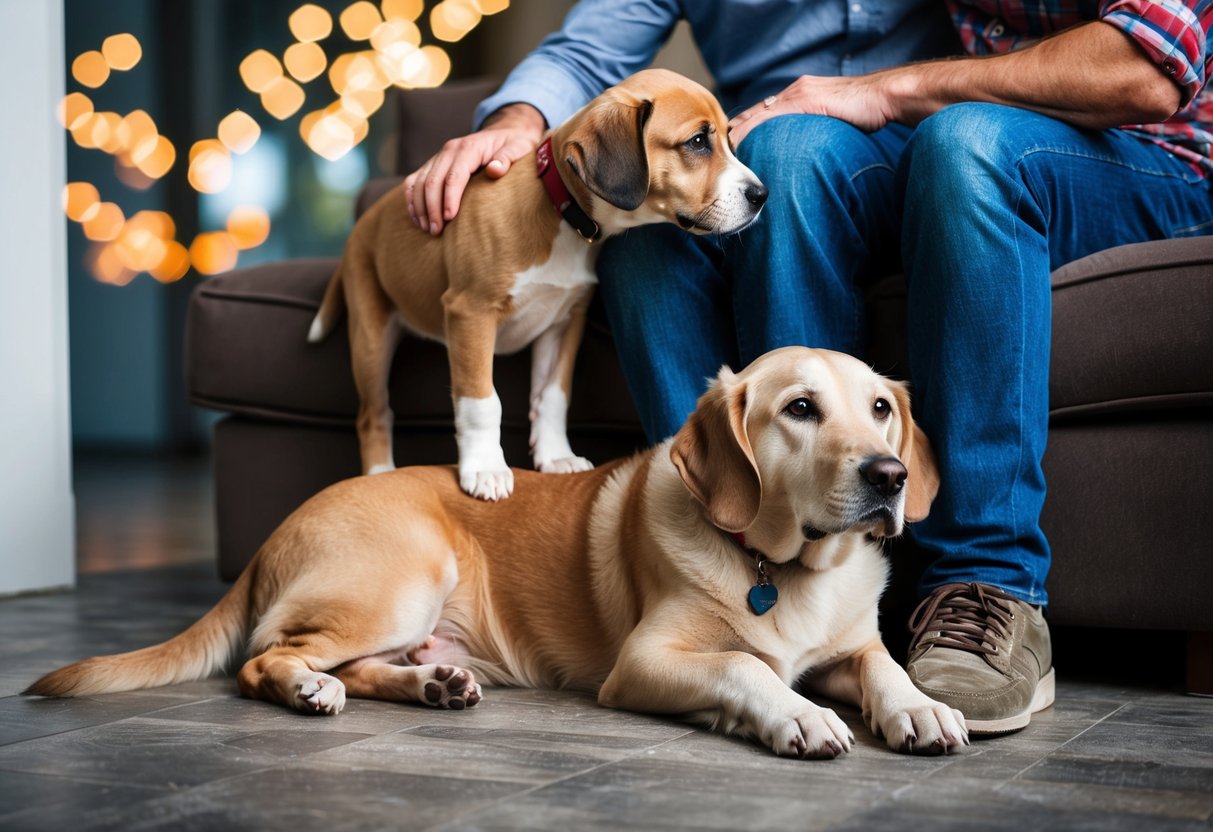
Your dog’s emotional attachment can change throughout their life. Understanding these changes helps you strengthen your bond, whether your dog is young or in their senior years.
Attachment in Younger Dogs
Younger dogs often form strong attachments quickly. They rely on you for emotional support and guidance. This deep connection is vital for their development and overall happiness.
As a puppy, your dog looks to you as a caregiver. This attachment is similar to how infants bond with parents. Factors like socialization and early experiences play a big role in shaping this relationship.
You can encourage this bond by providing consistent care, affection, and positive experiences. Engaging with your young dog through playtime and training sessions further strengthens this connection. Pay attention to their body language; they may show excitement or seek your attention when they feel attached.
The Changing Attachment of Older Dogs
As dogs grow older, their attachment can evolve. Senior dogs may still be very attached to you but may express it differently.
Your older dog may appear calmer and require less playtime. However, they may need more emotional support, especially during times of stress or health issues.
Changes in routine can make them anxious, so being a steady presence is essential.
Now, your dog might seek comfort more through cuddles or resting near you. This is their way of expressing attachment as they adjust to aging.
Keeping a familiar and comforting environment helps maintain a strong bond, even as your dog’s needs change.


