
Ever wondered if chimpanzees actually think like we do? They use tools, communicate, and solve problems in ways that seem almost… familiar. Chimps really do share a lot of mental abilities with us, but their minds work a bit differently.

Chimpanzees can “think about thinking,” so they’ve got a level of self-awareness and problem-solving that reminds me of a young child. They know when they’re missing information and when they need to find out more. That’s a kind of decision-making we once thought only humans had.
Curious about how these amazing animals communicate, learn social rules, and tackle puzzles? Stick around. You’ll see just how close chimps get to thinking and acting like us.
How Chimpanzees Think: Human-Like Intelligence Explored

You might be surprised by how much chimpanzees and humans have in common when it comes to thinking and understanding. They know what they know, share ideas, and read emotions—just like us.
Metacognition and Self-Awareness in Chimps
Chimpanzees actually think about their own thinking—that’s metacognition. For instance, if a chimp hasn’t seen what treat is hidden, it’ll check before guessing. That means it realizes when it doesn’t have enough info.
Researchers who work with language-trained chimps using symbols have noticed these animals only ask for what they need after checking the facts. They understand their own knowledge limits, kind of like when you double-check before making a call.
This awareness helps them solve problems and avoid goof-ups. Their intelligence isn’t just about learning stuff—it’s about knowing what they know and what they don’t.
Communication and Social Connections
Chimps use sounds, gestures, and even symbols to communicate. You’ll catch them sharing info and sometimes combining ideas, which helps them pick up new skills from each other.
Young chimps lean on their mothers to learn how to find food, use tools, and fit in with their group. Social learning is huge for them.
Their ways of communicating make it easier to cooperate and pass on knowledge. That’s how they build social bonds and work through everyday challenges together.
Recognizing Emotions and Social Cues
Just like us, chimps pick up on emotions in others. They show kindness, anger, and sadness, and they react with support or, sometimes, a little defensiveness.
The bond between a mother and child really shows their emotional depth. Chimps also read social cues to dodge conflicts or team up for things like guarding their turf.
Reading these signals lets them handle life in complicated social groups. Emotional understanding shapes how they think, act, and get along.
If you want to dive deeper, check out how chimps share knowledge and think like humans at Scientific American.
Comparing Chimpanzee and Human Minds
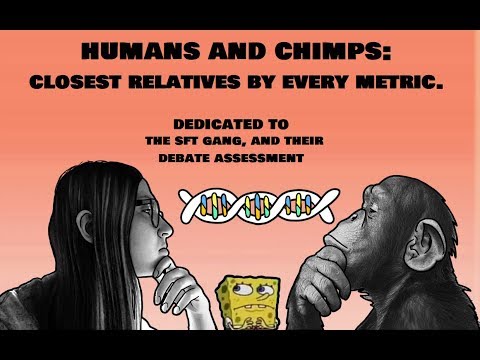
Chimpanzee and human minds share some surprising traits. But, let’s be real, there are some clear differences too. That comes from how our brains evolved and how we pick up and use tools in daily life.
Genetic Similarities and Cognitive Evolution
Chimps share about 98-99% of their DNA with us. That close genetic link means our brain structures look pretty similar. Both species have brain networks for problem solving and reasoning.
But human brains are much bigger—three to four times larger, actually. That extra size lets us handle language and complex memory.
Millions of years of evolution shaped our different strengths. Sure, some thinking skills overlap, but humans developed areas for things like speech and abstract ideas.
Chimp brains have stronger connections in spots tied to spatial memory, which helps them remember places and objects. Humans, on the other hand, have more powerful networks for language. That’s where our minds really split. If you want more details, check out this study on shared and divergent cognitive brain systems.
Cultural Learning and Tool Use
Chimpanzees use simple tools—like grabbing sticks to fish for termites or smashing nuts with rocks. It’s fascinating to watch, honestly. Their culture lets them learn and pass on these skills, though their tool use just doesn’t match the variety or flexibility of what humans do.
Think about all the tools you use every single day. Humans have built up complex technology, stacking new ideas on top of old ones. Chimps? They move at a slower pace and just don’t branch out as much.
Both humans and chimps pick things up by watching others. But your knack for imitating, teaching, and coming up with new stuff is on a whole different level. Chimps can solve problems and express emotions—no doubt about that—but they don’t invent new tools or adapt them to wildly different situations the way people do.
This gap in cultural learning really shows how you and chimps share some roots, but also how human intelligence took its own wild path. Want to see more about how chimps show off their smarts and tool tricks? Check out fascinating ways chimps display intelligence.


