
You might find it surprising, but chimpanzees do sometimes eat gorillas—though honestly, it almost never happens. Most of the time, these two great apes just steer clear of each other and avoid any trouble in the wild.
Still, a few cases have popped up where chimpanzees attacked and even ate infant gorillas.

These rare incidents show that chimpanzees don’t usually hunt gorillas, but they have killed and eaten baby gorillas when certain conditions line up. If you’re curious about why this happens, it gives you a peek into their complicated behaviors and the tough realities of sharing the same patch of forest.
Want to know what sparks these encounters? Or how these two strong animals manage to coexist? Let’s dig into their surprising interactions.
Do Chimpanzees Eat Gorillas?
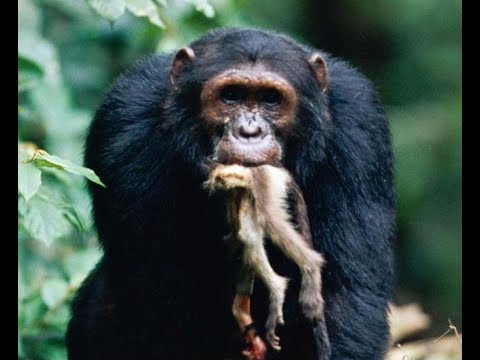
Chimpanzees and gorillas both live in parts of Central Africa, so they run into each other now and then. You might wonder if chimps ever eat gorillas, especially since chimps sometimes hunt smaller animals.
Chimps have attacked gorillas before, but eating adult gorillas is nearly unheard of. The reasons for these attacks, the evidence, and the impact on gorilla groups are worth looking at.
Documented Attacks and Evidence
Researchers have recorded a handful of incidents where chimpanzees (Pan troglodytes) attacked gorillas. Most of these happened in Loango National Park, Gabon, where their territories overlap.
These fights usually involve groups of chimps either hunting or defending their turf against gorilla families. Sometimes, chimps go after infant gorillas, pulling them away from their groups.
Sadly, some young gorillas didn’t survive, and at least once, a chimpanzee ate part of a baby gorilla. These events are extremely rare, though—they’re not the norm at all.
The attacks can drag on for up to an hour, which is a lot longer than a quick scuffle. Adult gorillas will step in and try to protect their infants.
Researchers from the Max Planck Institute have spent a lot of time watching these interactions, hoping to figure out what’s really going on.
Motivations Behind Aggressive Encounters
Chimps and gorillas usually get aggressive over food or space. Both animals love fruit, especially during the dry season when it’s hard to find.
When food runs low, chimps see gorillas as rivals. Territorial squabbles also play into it.
Chimps sometimes gang up to push gorillas away from fruit trees or important feeding spots. It’s not about wanting to eat gorillas, but more about keeping their own group on top.
Even though fights break out sometimes, these two species often just mind their own business and live side by side. But when resources get tight, things can get tense fast.
Impact on Gorilla Populations
Chimpanzees mostly go after the youngest gorillas in these attacks. Losing infants can really hurt gorilla families by shrinking their numbers and shaking up their social lives.
Gorilla groups rely on strong family bonds, usually led by a silverback male. If you take away the infants, it can throw everything off.
Adult gorillas almost never get targeted as prey by chimps, so adults aren’t really at risk. But if attacks keep happening in the same area, gorillas might get stressed or pushed out, which isn’t great for their survival.
Both chimps and gorillas will fiercely protect their young. These rare attacks just highlight how vulnerable baby gorillas can be when predators or competitors are around.
If you want more details, check out the research from the Max Planck Institute.
Behavior, Diet, and Relationships Between Chimpanzees and Gorillas

Chimpanzees and gorillas sometimes share the same forest and cross paths. Their diets and social lives are pretty different, and that shapes how they interact.
Dietary Habits of Chimpanzees
Chimpanzees, or Pan troglodytes, eat all sorts of things. You’ll notice them munching on fruits, leaves, seeds, and insects.
Sometimes they hunt small animals like monkeys or grab bird eggs, but honestly, meat is just a tiny part of their diet.
They spend a lot of time searching for food high up in the trees. Since they eat both plants and animals, we call them omnivores.
This varied menu helps chimps stay healthy year-round, no matter the season.
Chimps also share food with others in their group.
Grooming and sharing food help them build strong bonds. Their eating habits and social lives really go hand in hand.
Gorilla Diet and Feeding Patterns
Gorillas, on the other hand, mostly stick to plants. Their meals are usually made up of leaves, stems, and fruit.
You’ll see them spending hours just eating to keep up their strength.
Gorillas don’t really hunt or eat insects—plants are their thing. Sometimes, they’ll even eat soil to get extra minerals.
Their feeding style is slower and a lot calmer than the chimps’ busy foraging.
After eating, gorillas like to rest, and they usually hang out in smaller groups. Their plant-based diet keeps things peaceful and means they don’t have to compete as much for food.
Territoriality and Social Structures
Chimpanzees tend to live in pretty big groups—sometimes as many as 150 animals. There are clear leaders, usually dominant males, who step up to protect the troop.
They keep everyone connected through grooming and by sharing food. It’s honestly fascinating to watch how much social glue those habits create.
Gorilla groups? They’re smaller, and you don’t see as much competition. A silverback male leads, keeping the peace and protecting his family.
You won’t see the same level of fighting that chimpanzees get into. The vibe feels a lot calmer.
Even though their home ranges sometimes overlap, chimps and gorillas mostly avoid conflict. They stick to different parts of the forest or just eat different foods.
Both species rely on sounds and gestures to get their point across within the group. It’s not just noise—there’s a whole language in those calls and signals.
Where their ranges meet, sometimes they’ll actually tolerate each other. Occasionally, they even form surprisingly friendly bonds.
If you’re curious about how their diets and behaviors shape their lives, there’s some detailed research on chimp-gorilla interactions.


