
Boxers need plenty of exercise to stay healthy and happy. On average, a Boxer needs about 1 to 2 hours of exercise each day. This exercise routine is vital for their physical fitness and maintaining good cardiovascular health.

Boxers also need playtime and training sessions to keep their minds sharp. This variety helps ensure they are not only fit but also mentally stimulated.
Getting your Boxer enough exercise can prevent behavioral problems and keep them in great shape. With the right routine, you can support your furry friend’s well-being and build a strong bond through shared activities.
Understanding the Boxer Breed

Boxers are energetic and playful dogs that require regular exercise to maintain their health and well-being. Their active nature means that you need to be aware of their specific exercise needs and how it contributes to their overall fitness.
Boxer Dogs’ Exercise Requirements
Boxers are high-energy dogs that need at least one hour of exercise each day. This can include walks, playtime, and other activities that get their hearts pumping. Young Boxer puppies will need shorter sessions to avoid fatigue.
Consider dividing their exercise into multiple activities. For example:
- Daily Walks: Two 30-minute walks can help build their stamina.
- Playtime: Engage them in fetch or tug-of-war for fun and energy release.
- Training Sessions: Incorporate training as part of their exercise routine to keep them mentally stimulated.
Without enough exercise, Boxers can become bored and develop behavioral issues. Keeping them active ensures they stay happy and healthy.
Benefits of Regular Exercise for Boxers
Regular exercise has many benefits for your Boxer. It helps improve their physical fitness and supports their cardiovascular health. This means a stronger heart and better endurance during activities.
Exercise also plays a key role in their mental well-being. Boxers thrive on stimulation, so activities that challenge their minds can keep them engaged and reduce stress.
Moreover, maintaining a consistent exercise routine can prevent obesity, a common issue in Boxers. This breed has a strong build, and keeping them fit contributes to their overall stamina and health.
Key Components of a Boxer’s Exercise Regimen
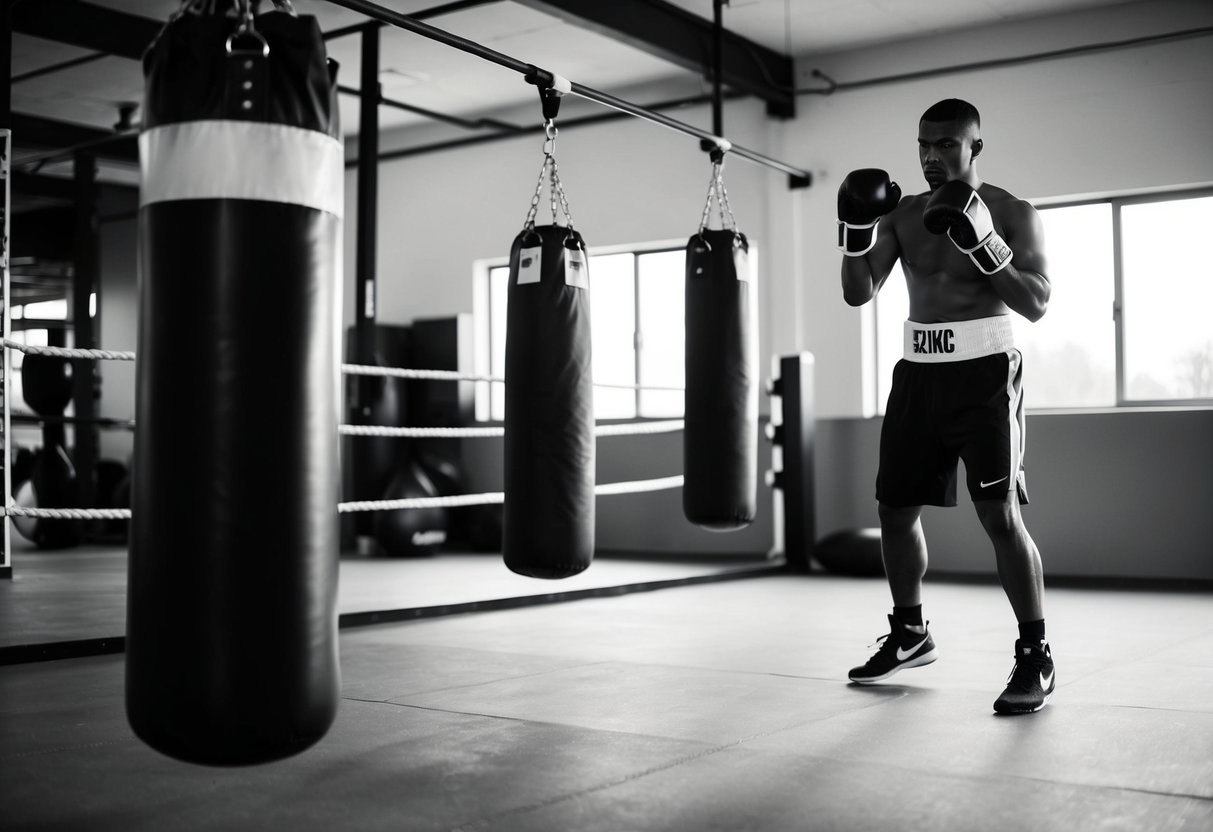
A boxer’s training involves various key components that enhance performance. These areas focus on building endurance, strength, agility, and ensuring proper recovery. Each element plays a crucial role in preparing you for the demands of boxing.
Building Endurance and Cardiovascular Health
To perform at your best, you need to build endurance. Cardiovascular health helps you maintain high energy levels throughout rounds. You should engage in aerobic exercises like running and swimming, which boost lung capacity and heart health.
Daily walks can also be a simple yet effective way to improve your stamina. Combine this with high-intensity interval training (HIIT) for maximum benefits. HIIT alternates between intense bursts of activity and short rest periods. This can improve both your endurance and explosive power in the ring.
Strength and Agility Training
Strength training is vital for developing muscular endurance. Bodyweight exercises like push-ups, squats, and lunges can build foundational strength. You can also use weights to further enhance your muscle power. Focus on compound movements, which engage multiple muscle groups.
In addition, agility drills improve your quickness and coordination. Consider ladder drills and cone exercises to boost your foot speed. This combination of strength and agility prepares you to move effectively and respond quickly against opponents.
High-Intensity Workouts and Recovery
High-intensity workouts push your limits, leading to significant gains in strength and endurance. Incorporate explosive movements like sprints and medicine ball throws to maximize your training. Remember that pushing hard is only part of the process.
Recovery is equally important. Schedule regular rest days to allow your muscles to recover. Active recovery, such as stretching and light walking, keeps you engaged without overdoing it. Don’t overlook flexibility exercises, as they enhance your overall body function and reduce the risk of injuries. Balancing these elements helps you stay strong and ready for any challenge.
Practical Exercise Tips for Boxer Owners

Providing your Boxer with the right amount of exercise is crucial for their health. It helps promote cardiovascular fitness and keeps them mentally stimulated. Here are some practical tips for creating an exercise routine that balances activity and rest.
Creating a Balanced Exercise Schedule
Boxers thrive on routine, so aim to walk them at the same time each day. Start your day with a daily walk that lasts at least 30 minutes.
In addition to walks, include short training sessions and playtime throughout the day. Mix high-energy activities like fetch with calmer training exercises.
Rest and recovery are just as important. Schedule rest days or lighter activity days to prevent overtraining. Monitor how your Boxer responds to exercise and adjust their schedule if they seem fatigued. This balance will improve their physical health and promote better sleep and overall well-being.
Interactive Activities for Mental Engagement
Boxers are intelligent dogs that need mental engagement. Incorporate interactive games to stimulate their minds. Use toys that dispense treats when solved. This encourages problem-solving and keeps them engaged.
Engage in playtime activities like tug-of-war or hide and seek. These activities provide both physical and mental stimulation, which is necessary for their development.
Consider practicing mental toughness through obedience training or agility exercises. These sessions can help strengthen your bond and boost their confidence. Regular engagement ensures your Boxer remains happy and healthy.
Nutrition and Physical Care for Active Boxers
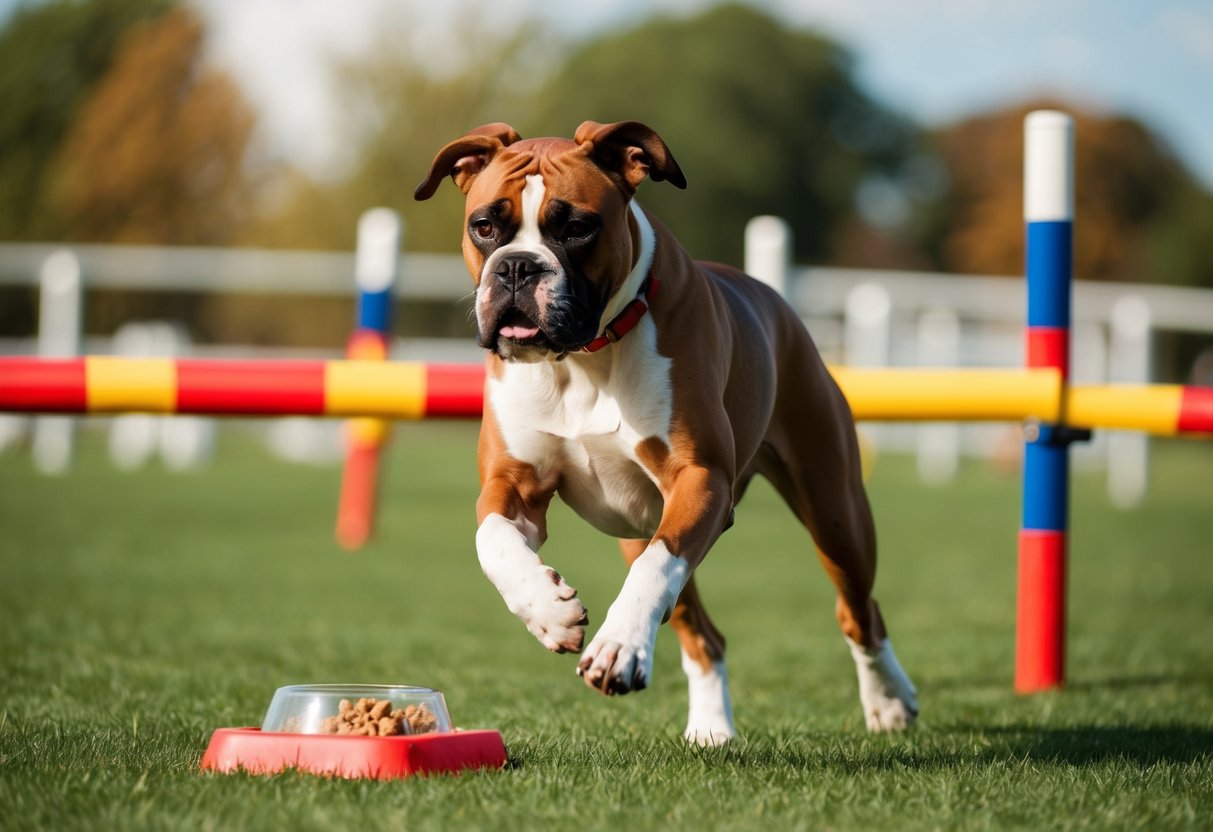
To maintain peak performance, it is crucial for boxers to focus on both nutrition and physical care. Proper fueling helps you perform at your best, while adequate recovery supports your training efforts.
Fueling the Boxer’s Body for Optimal Performance
Your body needs the right fuel to deliver strong performances. A balanced diet rich in carbohydrates, proteins, and healthy fats is essential.
Carbohydrates provide energy for your workouts, while proteins support muscle repair and growth.
Aim to include a variety of foods in your meals:
- Whole grains like brown rice and oatmeal
- Lean proteins such as chicken, fish, and legumes
- Healthy fats from avocados, nuts, and olive oil
Hydration is also key. Drink plenty of water to stay hydrated, especially during training. Consider a small snack, like a banana or protein bar, about 30 minutes before workouts. This can help boost your energy levels.
Rest, Recovery, and Injury Prevention
Rest and recovery are just as important as training. They allow your muscles to heal and grow stronger.
Schedule regular rest days to prevent fatigue and lower the risk of injury.
Incorporate active recovery days with light activities like walking or stretching.
Stretching can improve flexibility and reduce muscle soreness.
Listen to your body. If you feel pain, take a step back.
Consider integrating techniques like foam rolling or gentle yoga into your routine. These can enhance recovery and promote physical fitness.
Prioritize quality sleep too. Aim for 7-9 hours each night to help your body recover fully.
With the right combination of nutrition and recovery, you’ll be ready for your next challenge.


