
Ever been stung by a bee and wondered if it leaves its stinger behind? Turns out, not every bee does, but honey bees definitely do.
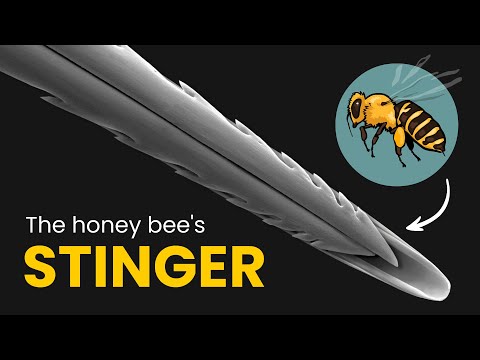
Their stingers have these tiny barbs that get stuck in your skin. So, the honey bee leaves it behind—and usually dies after.

Other bees, like bumblebees, along with wasps and hornets, have smooth stingers. They can pull them out and sting you again and again, no problem.
It helps to know which bees leave their stinger. That way, you can figure out what’s actually happening after you get stung—and what you should do about it.
Why Do Bees Leave Their Stinger in You?
When a bee stings, it’s using a built-in defense tool to protect itself or its hive. Some bees lose their stinger when they sting, which can be a little shocking.
Why do only some bees leave their stinger behind? Others seem to pull theirs out with no trouble.
The Anatomy and Function of a Bee Stinger
A bee’s stinger is basically a sharp, barbed needle. It’s actually a modified egg-laying tool, so only female bees have it.
Those barbs anchor the stinger deep in your skin. When the bee pushes it in, those barbs make it almost impossible to pull out.
Once the stinger gets stuck, it keeps pumping venom into your skin. The bee flies off, but the stinger stays.
This is how the bee defends itself and its hive. The stinger rips out part of the bee’s body—some digestive and nervous tissue go with it—which is why the bee dies soon after.
Bee Species Most Likely to Leave a Stinger
Honeybees are the main culprits for leaving their stinger in your skin. Their stingers have those barbs that just won’t let go.
Once a honeybee stings, she can’t get her stinger back. She leaves it behind and, sadly, that’s the end for her.
Bumblebees, on the other hand, usually keep their stinger. Their stingers are smoother, so they can sting more than once without much trouble.
Female worker honeybees do most of the stinging to protect the hive. They all have barbed stingers.
Differences Between Bees, Wasps, and Hornets
Wasps and hornets have smooth stingers. They can sting you several times because their stinger slips in and out easily.
They don’t die after stinging, which makes them a bit more aggressive sometimes.
Honeybees mostly focus on protecting their hive, so they use their barbed stinger as a last resort. Wasps and hornets go after other insects and aren’t as tied to a hive.
Knowing these differences helps you know what to expect if you get stung by one of these insects.
If you want more details, check Do bees leave a stinger in you?
What Happens After a Bee Leaves Its Stinger?
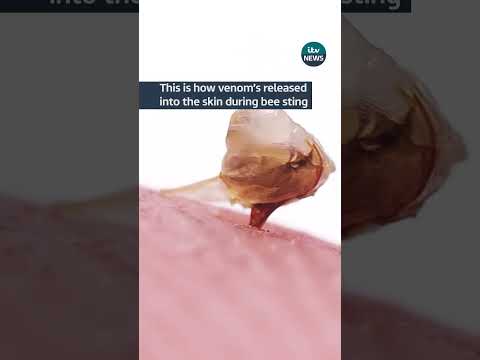
When a bee leaves its stinger in your skin, it releases venom that causes pain and swelling. How quickly you treat the sting really matters.
You can use some simple steps to make it hurt less and avoid bigger problems later.
Effects on the Human Body
If the stinger stays behind, it keeps pumping venom into your skin. That venom causes pain, redness, swelling, and itching.
You might see a small white spot around the sting where the stinger is stuck.
Some people only get mild swelling or pain for a few hours. Others may swell up more or even have allergic reactions.
If you notice trouble breathing, dizziness, or swelling in your face, seek medical help right away.
The venom contains proteins that mess with your skin cells and immune system. Your body reacts fast, which leads to inflammation and irritation.
Why Stinger Removal Is Important
You should remove the stinger quickly because the venom keeps spreading as long as it’s in your skin. The longer it stays, the worse the pain and swelling can get.
Try scraping the stinger out with a credit card or your fingernail. Don’t squeeze it with tweezers—squeezing can push more venom in.
Once you get the stinger out, wash the area with soap and water. That helps prevent infection.
Immediate First Aid and Pain Relief Tips
After you get the stinger out, go ahead and wash the sting site well. Grab a cold pack and press it on the area—it’ll help with swelling and make the pain less intense.
Try calamine lotion or hydrocortisone cream if the itching drives you nuts. These creams cool your skin and might calm down the redness too.
You can take acetaminophen or ibuprofen for the pain. Don’t scratch the sting, though—it just makes things worse and can lead to infection.
If the sting gets more painful or you start seeing signs of an allergic reaction, don’t wait—get medical help right away.
Curious about what happens to a bee after it stings you? Check out What Happens to a Bee After It Stings You? Understanding the Aftermath.


