
Beagles are known for their playful and loving nature, but many people wonder whether they have bad behavior. The truth is that beagles can exhibit challenging behaviors, often due to their stubbornness and need for consistent training.
With the right techniques, such as positive reinforcement and proper socialization, you can manage these behaviors and help your beagle thrive.
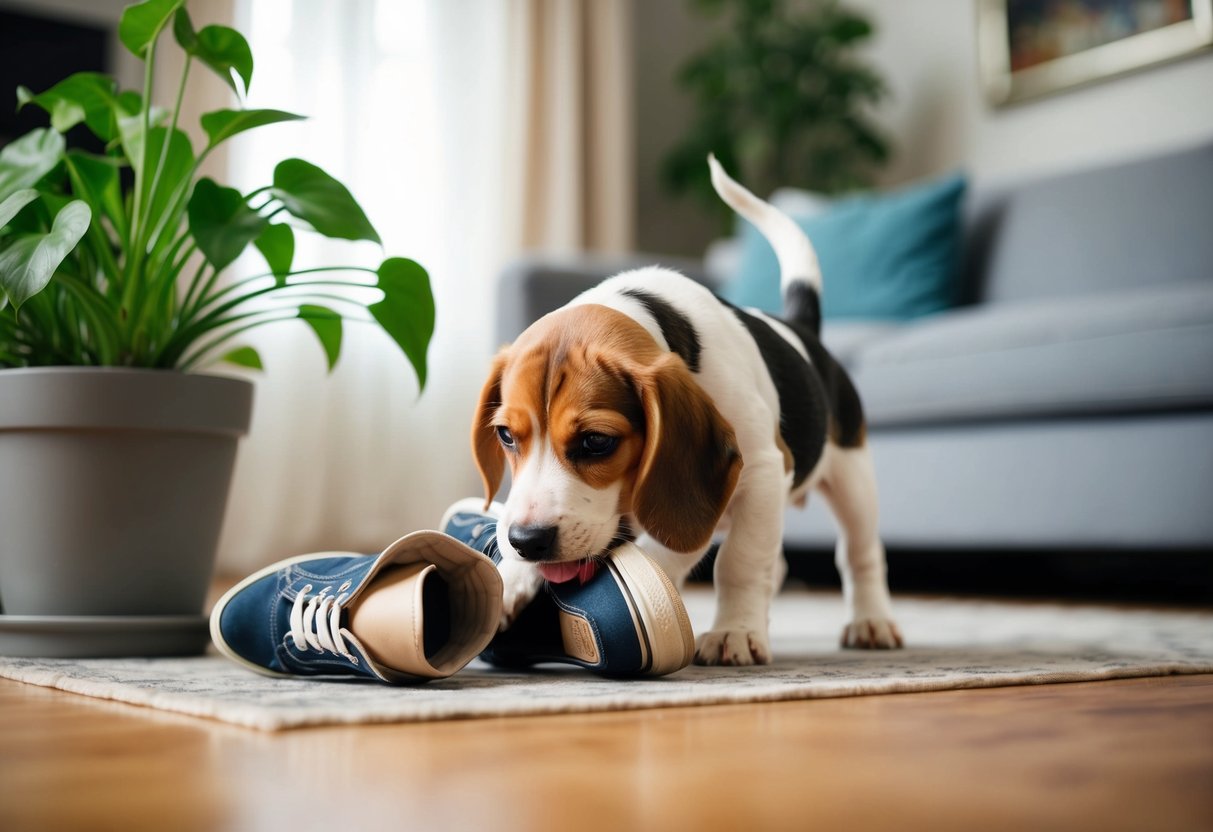
Understanding your beagle’s behavior is key to addressing any issues that may arise.
Common behavioral problems include excessive barking, jumping, and even separation anxiety. These behaviors can be linked to their energetic personality and need for companionship.
By learning effective training methods, you can improve their behavior and enjoy a happy relationship with your pet.
If you’re considering bringing a beagle into your home or already have one, it’s important to know what to expect.
With patience and dedication, you can guide your beagle toward better behavior and create a harmonious environment.
Exploring various training techniques will help you build a strong bond with your furry friend while managing any behavioral challenges.
Understanding Beagle Behavior

Beagles are known for their unique behaviors and personality traits. Understanding these can help you manage common challenges, recognize signs of stress, and emphasize the importance of early socialization.
Common Behavioral Challenges in Beagles
Beagles can display several behavioral challenges. These often include excessive barking, digging, and jumping on people.
You may find that your beagle barks a lot, especially when seeking attention or reacting to sounds.
Destructive behavior can also occur when they feel bored or anxious. Meanwhile, resource guarding may happen if your beagle feels threatened by others near their toys or food.
To manage these behaviors, try using positive reinforcement techniques. Rewarding good behavior can encourage your beagle to repeat those actions instead of engaging in undesirable ones.
Signs of Anxiety and Stress
Beagles may show signs of anxiety or stress in different ways. Separation anxiety is common, especially if your beagle isn’t used to being alone.
You might notice them howling or scratching at doors when you leave.
Other signs include pacing, excessive panting, or hiding.
It’s essential to recognize these signs early.
To help your beagle feel more secure, consider providing a safe space with their favorite toys. You can also use desensitization techniques to gradually get them used to being alone.
The Influence of Puppyhood and Socialization
Puppyhood is a critical time for socialization. Early experiences shape your beagle’s behavior as they grow.
Exposing your puppy to various people, environments, and other dogs can aid in developing good social skills.
Obedience training should start early too. Consistency in commands and expectations helps solidify good habits.
Engaging in mental stimulation activities, such as puzzle toys or training games, keeps their minds active and focused, reducing bad behaviors later on.
Training and Discipline Strategies

Effective training and discipline are essential for a well-behaved Beagle. Using positive reinforcement and maintaining consistency will help address unwanted behaviors. Meanwhile, implementing proper house training techniques can prevent many issues from arising in the first place.
Positive Reinforcement and Consistency
Using positive reinforcement is one of the best techniques for training your Beagle. This means rewarding good behavior with treats, praise, or playtime. When your dog follows a command or behaves well, immediately acknowledge it.
Consistency is crucial. Make sure everyone in your household is on the same page about training commands and techniques.
If you allow certain behaviors sometimes and not others, your Beagle may become confused.
Establish clear rules and stick to them for the best results.
Addressing Common Obedience Issues
Beagles are known for certain challenges like chewing on furniture or ignoring commands.
To combat this, redirect their attention to appropriate chew toys. Consistently correcting unwanted behaviors is key.
For food aggression or begging, practice impulse control. Only provide food when your Beagle is calm.
Teach commands like “stay” or “leave it” to help manage these behaviors.
Incorporating leash training can also improve obedience. Make sure your Beagle learns to walk calmly beside you on a leash.
House Training Fundamentals
House training is essential to prevent inappropriate elimination indoors.
Start by creating a consistent schedule for bathroom breaks. Take your Beagle outside after eating, waking up, or playing. Always reward them when they go outside.
Use a designated spot outdoors for bathroom needs. If your Beagle has an accident, clean it up without scolding. Instead, focus on getting it right next time.
Over time, your Beagle will learn the right place to go, making home life easier for both of you.
Exercise, Mental Stimulation, and Play

Keeping your Beagle engaged through exercise and mental stimulation is essential for their well-being. With their high energy levels and intelligence, these dogs thrive when they are active and challenged. Here’s how you can make sure your Beagle stays happy and healthy.
The Importance of Daily Exercise
Daily exercise is vital for your Beagle’s physical health. Aim for at least one hour of activity each day. This can include walks, runs, or playtime in the yard.
Regular exercise helps prevent obesity, which can lead to health problems.
Without enough physical activity, Beagles can become restless and may develop destructive behaviors. Chewing furniture or digging can be signs of boredom.
By ensuring your Beagle gets the exercise they need, you can reduce these unwanted behaviors.
Interactive Toys and Puzzles
Interactive toys and puzzles offer great ways to stimulate your Beagle mentally. These toys can challenge them to figure out how to get treats hidden inside.
Chew toys and puzzle toys promote healthy chewing habits while keeping them entertained.
You can also rotate these toys to maintain excitement. This prevents boredom and keeps your Beagle engaged.
Look for toys that require your dog to push, pull, or solve a problem. Such interactive play keeps their minds sharp.
Benefits of Mental Stimulation
Mental stimulation is just as important as physical exercise.
Engaging your Beagle in training sessions or games can enhance their problem-solving skills. This helps them stay focused and prevents destructive behavior.
Try activities like scent games where your Beagle uses their nose to find treats. It’s a fun way for them to use their natural instincts.
Dogs that receive mental challenges are often calmer and more well-behaved at home.
Health Issues and Beagle Temperament

Beagles are known for their friendly and curious nature, but certain health issues can impact their behavior. Understanding these conditions can help you manage your beagle’s temperament more effectively.
Health Conditions Affecting Behavior
Beagles can face various health problems that may influence their behavior.
Common concerns include separation anxiety, which can lead to excessive barking, whining, or destructive chewing when left alone. Observing your beagle’s behavior during long absences can help you identify signs of distress.
Another issue is pain from conditions like hip dysplasia, which can make your beagle more irritable or aggressive.
If your dog shows sudden behavioral changes, a visit to the vet is essential. In some cases, neurological issues might also cause uncharacteristic actions, such as increased jumping or growling.
Keeping an eye on your beagle’s physical health is key to maintaining their good temperament.
Managing Excitement and Exuberance
Beagles are energetic and often enthusiastic, which can sometimes come off as unruly behavior. Excitement may trigger barking, howling, or jumping on others, making them seem overbearing.
To manage this exuberance, you should provide plenty of mental and physical stimulation. Engaging in regular walks or playtime can help release their energy in a positive way.
Training techniques, like positive reinforcement, can also encourage better behavior. For instance, rewarding them when they calm down after a bark can help strengthen good habits.
Keeping your beagle well-exercised and mentally challenged will lead to a happier and more balanced companion.


