
Ever been stung by a bee and wondered if it always leaves its stinger behind? Well, not all bees leave their stinger in you. Only honey bees do. Their barbed stingers get stuck in your skin, and sadly, that means the bee dies after stinging.

Wasps, hornets, and bumblebees act differently. They use smooth stingers, so they pull them out and can sting again without any trouble.
Knowing this difference might help you handle a sting better if it happens.
Do All Bees Leave Their Stinger in You?

Not every bee leaves its stinger behind when it stings you.
It really depends on the type of bee and the shape of its stinger.
Some bees have barbed stingers that get stuck in your skin.
Others use smooth stingers that slip right out.
Honey Bee Stings and Barbed Stingers
Honey bees come equipped with barbed stingers.
When a worker honey bee stings, those barbs anchor the stinger in your skin.
The bee pulls away, but the stinger stays behind.
Since the stinger is attached to part of the bee’s digestive and nervous system, the bee doesn’t survive.
The stinger keeps pumping venom into your skin until you remove it.
If you spot a bee stinger in your skin, try to get it out quickly.
Leaving it in just makes the pain and swelling worse.
Which Bees and Insects Leave Stingers Behind
Only honey bees leave their stingers behind.
Bumblebees, wasps, hornets, and many other bees have smooth stingers.
They can sting you again and again because their stingers don’t get stuck.
These insects don’t lose any part of their body when they sting.
They can defend themselves or their nests without dying after one sting.
If you know which insect left a stinger, you can figure out what kind of sting you have and how to treat it.
You can read more about bee stings and how they compare to other stings here.
Why Only Some Bees Lose Their Stinger
The main reason some bees lose their stinger is the shape.
Honey bees have barbed stingers that hook into your skin.
When they pull away, the stinger and some internal parts stay behind.
Honey bees basically sacrifice themselves to protect their hive.
The venom keeps pumping, which warns or harms threats.
Other bees and insects, like wasps and hornets, have smooth stingers.
Their stingers slide out easily, so they can sting again without injury.
This difference shapes how these insects defend themselves and how their stings feel.
If you’re curious, you can find more details here.
What Happens After a Bee Sting and How to Respond
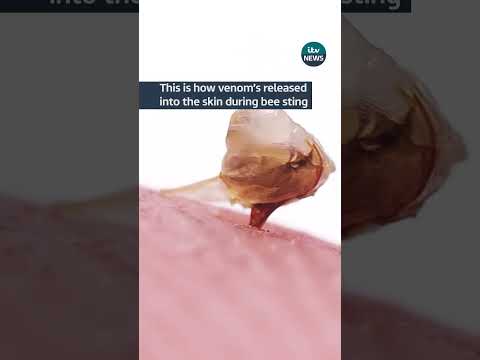
When a bee stings you, it injects venom fast.
You’ll feel pain and swelling almost right away.
How you remove the stinger and treat the spot can make a big difference in how quickly you recover.
Knowing which type of stinger you’re dealing with helps you react the right way.
Immediate Effects and Venom Injection
As soon as a bee stings, it injects venom into your skin.
That venom causes sharp pain, redness, and swelling around the sting.
You might notice itching or warmth too.
Usually, the pain fades after a few hours, but it can feel worse for some people.
Your body’s reaction depends on your sensitivity.
Mild reactions show up as small, raised bumps.
Severe allergies can cause trouble breathing or swelling beyond the sting area.
If you have trouble breathing or feel dizzy, get medical help right away—don’t wait.
Stinger Removal and Safe Treatment
If a stinger is left in your skin, it keeps releasing venom, making things worse.
You really want to remove it as soon as possible.
Use a flat-edged object, like a credit card, to scrape it out.
Try not to use tweezers, since squeezing the stinger can push more venom in.
After you’ve removed the stinger, wash the area with soap and water.
Applying ice or a cold pack helps with swelling and pain.
Over-the-counter pain relievers and antihistamines can help with discomfort.
Keep an eye out for infection or strong allergic reactions over the next 24 hours.
Barbed vs. Smooth Stinger Comparison
Honey bees have barbed stingers that get stuck in your skin when they sting. The bee tries to pull away, but the barbs hold fast, so the stinger stays behind.
After this, the bee can’t escape and dies soon after. That’s why you’ll usually find a honey bee’s stinger left in your skin, and you’ll need to remove it carefully.
But bumblebees, hornets, and wasps use smooth stingers instead. Their stingers slide out easily, so they can sting again and again without any trouble.
If you’ve ever wondered whether you’ll find a stinger left behind, knowing which insect stung you helps a lot.
For more about honey bee and other stings, visit Do All Bees Leave Their Stinger In You? – Biology Insights.


