
Badgers are fascinating creatures, and their role in wildlife and disease control can be tricky to understand. Many people wonder, do all badgers carry tuberculosis? However, it’s important to know that while some badgers may be infected with the disease, most do not have it. This distinction is crucial for anyone interested in bovine tuberculosis and its impact on livestock and wildlife.

Transmission of TB can occur among badgers, but studies show that the majority of infections in cattle come from other cattle rather than wildlife. Understanding this can shift how we think about disease control in farming and wildlife management. You might be surprised to learn just how complex the relationships are in our ecosystems and what that means for epidemiology.
As you explore this topic further, you’ll uncover more about the realities of badger health, the dangers of bovine tuberculosis, and what it all means for you and your environment. The interplay between wildlife and disease is a subject that affects not just farmers but everyone who enjoys nature.
Understanding Badgers and Bovine Tuberculosis
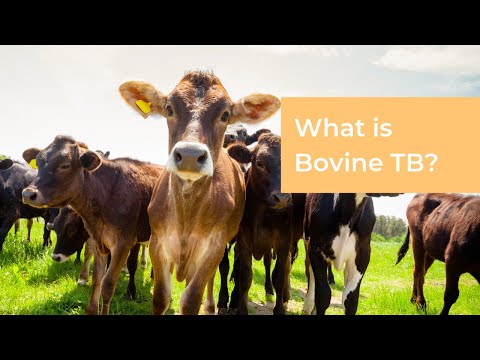
Badgers play a key role in the spread of bovine tuberculosis (TB), caused by the bacterium Mycobacterium bovis. By learning about badger biology and the nature of bovine TB, you’ll understand how these animals contribute to disease transmission.
Biology of Badgers
Badgers are nocturnal mammals known for their distinctive black and white markings. They are social animals that often live in groups called clans, which use extensive burrow systems called setts.
Badgers primarily feed on earthworms, insects, and small rodents.
These creatures can act as wildlife reservoirs for M. bovis, the bacterium responsible for bovine TB. Their behavior, such as foraging and socializing, can increase the risk of disease spread among populations. Their habitats often overlap with cattle farms, making contact possible.
Badgers can carry the bacterium without showing signs of sickness. This means that they may transmit TB to cattle and other wildlife without you even noticing. Understanding badger biology helps explain their potential impact on disease spread.
Overview of Bovine TB
Bovine TB is a chronic infection that affects cattle, but it can also infect other animals, including badgers. The disease is mainly caused by Mycobacterium bovis, which can survive for extended periods in the environment.
Transmission of bovine TB often occurs through inhalation of aerosol particles or direct contact with infected animals.
Badgers contribute to the spread of the disease because they shed the bacteria in their saliva, urine, and feces.
The presence of badgers can elevate the incidence of TB within cattle herds. This has led to debates about culling badgers in certain areas as a control measure. Yet, studies show mixed results on the effectiveness of such practices. Understanding the nature of both badgers and bovine TB is essential for addressing the challenges that arise in managing this disease.
Transmission and Spread of TB

Understanding how tuberculosis (TB) spreads between badgers and cattle is essential in managing this disease. This involves looking at the direct and indirect ways TB can be passed on between these animals. Here, we focus on two main pathways of transmission: from badgers to cattle and from cattle to other cattle.
Badger-to-Cattle Transmission
Badgers can spread TB to cattle, especially in regions identified as high-risk areas. The primary means of transmission is through direct contact, particularly in places where badgers access cattle feed or water.
Infected badgers may leave bacteria in their droppings, which can contaminate grazing areas.
Farmers should implement biosecurity measures to reduce this risk. This includes securing feed and ensuring cattle are not exposed to badger activity.
Additionally, studies indicate that badgers are more likely to transmit TB to cattle in edge areas, where their habitats overlap. Keeping a watch on badger populations in your area can help you stay one step ahead in preventing TB transmission.
Cattle-to-Cattle and Other Transmission Methods
Once TB is present in a herd, it can spread rapidly among cattle. Cattle-to-cattle transmission occurs mainly through respiratory droplets, especially in close quarters.
This highlights the importance of cattle movement controls. When moving animals, always check for signs of TB and consider testing.
Moreover, contaminated equipment or environments can also facilitate the spread of TB.
Implementing strict biosecurity practices—like disinfecting tools and maintaining cleanliness—can significantly reduce this risk.
Awareness is key: knowing the signs of TB and ensuring your cattle are healthy helps protect your herd and the surrounding environment.
Managing TB in Badgers and Cattle

Managing tuberculosis (TB) in badgers and cattle involves careful strategies that balance disease control with ethical considerations. Key approaches include culling and vaccination. Both methods have their pros and cons, affecting animal welfare and public opinion.
Badger Cull and Controversy
Culling badgers is often seen as a method to control TB in cattle, as badgers can spread the disease. The badger culling program has sparked a lot of debate.
Critics argue that culling raises animal welfare issues and might not be effective in reducing TB rates in the long term.
The randomised badger culling trial showed mixed results, indicating that while culling can reduce TB, it also leads to increased movement of badgers and possibly more disease spread. Many feel that culling does not address the root causes of TB transmission, which can also be linked to cattle-to-cattle contact.
Considering these factors, discussions about the ethics of culling are ongoing. You may find that the approach taken varies by region, reflecting local views and experiences with TB.
Vaccination and Other Control Measures
Vaccination is another important tool in controlling TB.
Currently, there are efforts to develop and implement oral vaccination for badgers. This method could help reduce the prevalence of TB without the ethical concerns that come with culling.
The badger disease control license allows for controlled vaccination efforts. Incorporating vaccination alongside good cattle management practices can be more effective than culling alone. You can support these programs by attending local meetings or participating in awareness campaigns.
Ultimately, combining vaccination with public education and cattle health checks can create a more sustainable approach to managing TB in badgers and cattle. This holistic view helps ensure that both animal welfare and disease control are considered.
The Impact and Future of TB Control

Bovine tuberculosis (TB) poses significant challenges to the cattle industry and disease control efforts. Understanding both the economic implications and the advancements in research is essential to address this issue effectively.
Economic and Industry Perspectives
Bovine TB directly affects the UK cattle industry, especially in areas like Gloucestershire and Somerset. A herd breakdown can lead to substantial financial losses for farmers.
The costs come not only from treatment and testing but also from the culling of infected animals.
The Department for Environment, Food & Rural Affairs (DEFRA) has implemented various control measures. These include increased surveillance and monitoring of badger populations.
Farmers may benefit from government support in managing disease outbreaks.
The ongoing challenge is balancing the needs of the cattle industry with animal welfare concerns related to badger culling. The Badger Trust and similar organizations advocate for humane solutions while supporting farmers who face financial difficulties due to TB.
Advancements in Research and Policy
Research on bovine TB has been progressing, providing insights into transmission paths and control strategies. Studies suggest that badgers can carry TB, but they often don’t transmit it to cattle. This detail is crucial for developing targeted policies.
Collaborative efforts involving researchers, DEFRA, and farmers are vital. These groups are working together to develop enhanced vaccines for badgers and cattle. These vaccines could reduce TB spread in both populations.
In regions like Northern Ireland and Wales, policies are evolving based on findings from ongoing research. This adaptability is key to effective TB control, ensuring that strategies remain relevant as new information is available.


