
You can usually spot the difference between a squirrel and a rat pretty quickly if you know what to look for—size, tail, when they’re active, and the kind of mess they leave behind. Squirrels are those bushy-tailed climbers you see during the day, living in trees or burrows and leaving round, brown droppings. Rats, on the other hand, come out at night, have skinny hairless tails, like buildings, and leave darker, pointier droppings.

If you spot one of these critters near your place, keep this guide close. You’ll pick up on their nests, noises, and the marks they leave behind, so you can act fast and figure out the best way to handle your yard or attic.
Curious about the exact differences—droppings, nests, and the trails they leave—so you don’t have to guess? Just keep reading for some clear, no-nonsense ID tips and simple steps for dealing with each pest.
Key Differences Between Squirrels and Rats

Let’s talk about how you can quickly spot the main differences. Focus on their size, tails, the times they’re out and about, and how they behave around food and houses.
Physical Appearance and Size
Squirrels—especially gray squirrels—usually look bigger than most rats. An adult gray squirrel measures about 16–20 inches long (including the tail) and weighs somewhere between 14–22 ounces.
Norway rats are shorter, with bodies around 8–10 inches and a weight closer to 12–16 ounces.
Check out the head and ears. Squirrels have rounder heads and big, obvious ears covered in fur. Rats have narrower faces and smaller, lower-set ears.
Fur makes a difference, too. Gray squirrels have dense, grayish-brown fur with white bellies. Rats have rougher fur, more uniform in color, ranging from brown to gray.
If you get a look at their feet, you’ll see squirrel front paws are made for grabbing and climbing, while rat feet are built for digging and running on flat ground.
Tail Characteristics
A squirrel’s tail really gives it away. It’s long, thick, bushy, and kind of flat. The fur looks smooth and helps them balance or stay warm in the cold.
You’ll often spot a squirrel holding its tail up as it dashes along a branch.
Rat tails are a whole different story. They’re long and skinny, almost bald, and feel a bit scaly. Rats keep their tails straight for balance when they’re running along the ground or squeezing through tight spots—not for wrapping or signaling.
If you see a fluffy, paddle-shaped tail up in the trees, that’s a squirrel. A skinny, bare tail skittering along the baseboards or near the sewer? That’s a rat.
For more visuals, check out this guide on telling squirrels from rats: how to distinguish a squirrel from a rat.
Daily Activity Patterns
Squirrels are daytime animals. You’ll catch them out and about during daylight, especially early mornings and late afternoons.
They climb trees, hunt for nuts, and bury food all over your yard in the colder months. Their daylight habits make them easy to spot in parks and backyards.
Rats prefer the night. You’ll see them after dark, when they leave their hiding spots to look for food. Sometimes, especially in the city, rats will venture out during the day if food is everywhere or they’re disturbed.
Usually, if you see chewed stuff or droppings in the morning, rats were up to something overnight.
If you find tracks, chewed things, or nests during the day up in trees, you’re probably dealing with squirrels. Nighttime signs near foundations or inside walls? That’s almost always rats.
For more specifics, this pest-control comparison might help: squirrels vs. rats.
Behavioral Traits
Squirrels are expert climbers and love to stash food. You’ll see them hiding nuts in shallow holes or tree crevices, then coming back later.
They get a bit territorial about their nests and can be pretty bold around bird feeders, but usually, they stay out of houses. They use chirps and tail flicks to talk to each other.
Rats, though, take advantage of any opportunity and often sneak into buildings. You’ll find them chewing wires, insulation, and food packaging.
They make nests in wall gaps, attics, or underground burrows. Rats breed quickly and can create big, stubborn infestations.
Both animals act wary around people, but squirrels are bolder in the daylight, while rats stick to the shadows.
If you want details about their nests, droppings, and the kind of damage they do, check out this pest ID guide: squirrel vs. rat.
Identifying Droppings, Nests, and Damage
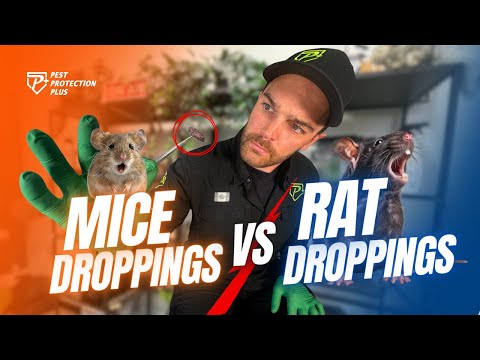
You can figure out what’s moving in by checking what’s left behind in your attic, yard, or even the basement. Pay attention to their droppings, the nests, and the chewing or digging they do.
Squirrel Droppings vs. Rat Droppings
Squirrel droppings look small, rounded, and pretty uniform—picture jelly beans about 5–8 mm long. They’re dark brown or black and usually scattered where squirrels have been eating or hiding food.
Rat droppings are longer (up to about 3/4 inch), rod-shaped with blunt ends, and you’ll often find them in piles along walls, in cupboards, or near food. If you see a mix of tiny and bigger pellets, you might have mice too.
Check for tail drag marks in dust or mud to spot rat tracks. Always wear gloves when cleaning up droppings; rat poop can carry nasty stuff like hantavirus and leptospirosis. Squirrel droppings aren’t as risky, but still, you don’t want to touch them.
Nesting Habits and Locations
Squirrels build nests called dreys—big balls of twigs and leaves—in tree branches. Sometimes they’ll use attics or wall spaces, packing in shredded insulation, seed shells, and chewing wood near where they get in.
Rats use softer stuff like shredded paper, fabric, and insulation. Norway rats stick to low spots—basements or under foundations—while roof rats head for attics, rafters, and ceiling gaps.
Look for bunches of nesting materials and stains along their paths. Squirrel nests are bulkier and mostly outdoors; rat nests are hidden and close to food or warmth.
Finding a nest high up usually means squirrels or roof rats, while ground-level nests point to Norway rats.
Damage from Squirrels and Rats
Squirrels chew through wood, vinyl siding, and shingles to make holes. They dig in yards to bury or find food, and sometimes strip bark from trees.
Inside attics, you’ll see chewed beams, torn insulation, and nut shells scattered around.
Rats go after electrical wiring, cardboard, and plastic, which can cause fires or damage. They chew baseboards, pantry food, and stored fabrics.
Norway rats dig burrows near foundations; roof rats leave claw marks and nesting messes in attics.
Check where the damage is: squirrel chewing happens at roof edges or soffits, while rat gnawing shows up along baseboards, behind appliances, and near pantry stuff. Take photos to show a pest control expert if you need help.
Health Risks Linked to Droppings
Rat droppings spread diseases like hantavirus, leptospirosis, salmonella, and rat-bite fever. These illnesses can travel through airborne dust, direct contact, or even contaminated food.
You might spot fleas or ticks on rodents, which sometimes carry other nasty illnesses too.
Squirrel droppings don’t usually cause severe human disease, but they can still carry ringworm spores or bacteria—especially if you touch them without gloves. Any rodent or mouse droppings can attract secondary pests and lead to bacterial contamination.
Before cleaning, open some windows to ventilate the area. Always put on gloves and a mask, and never sweep up dry droppings.
Use disinfectant and wet cleaning methods to get rid of feces safely. If you think you’ve been exposed to disease or there’s a big infestation, it’s probably best to call a professional.


