
It might surprise you how many squirrel species face real danger these days. A handful — like the Mount Graham red squirrel, plus some island and flying squirrels — are actually listed as endangered or vulnerable, and they really need our help right now. Here, you’ll see which ones are at risk and why losing them matters more than you might think.

You’ll discover which species are declining, what’s driving those declines, and what people are doing to help. Stick around to find out where these squirrels live, what’s harming them, and what we can do to protect their homes and future.
Endangered Squirrel Species and Their Conservation Status
Let’s talk about the most at-risk squirrels, where they’re found, and the main threats in their way. We’ll look at named species and what’s actually being done for them.
Critically Endangered Squirrel Species
The Mount Graham red squirrel (Tamiasciurus hudsonicus grahamensis) lives only in Arizona’s Pinaleno Mountains. Fewer than a few hundred remain. Wildfires, drought, and beetle-killed pine forests hit this tiny population hard.
Local agencies try to help with captive breeding, habitat restoration, and regular monitoring. It’s a tough battle.
The San Joaquin antelope squirrel used to roam California’s San Joaquin Valley. Now, most of its habitat has disappeared under farms and cities. Only small groups survive in scattered patches of grassland and alkali flats.
Roads and fragmented land make it even harder for them to mix and survive. Some flying and island species, like certain Northern Flying Squirrel populations and isolated island fox/fox-squirrel subspecies, are also struggling.
Habitat loss and introduced predators hit these groups hard. Many of these species now appear as Critically Endangered or Endangered on the IUCN Red List. Targeted conservation actions try to give them a fighting chance.
Regional Differences in Endangerment
In the western U.S., the Western gray squirrel has taken a big hit in some areas. Washington recently moved some Western gray populations to endangered status under state law after fires and habitat loss left only three groups in the state.
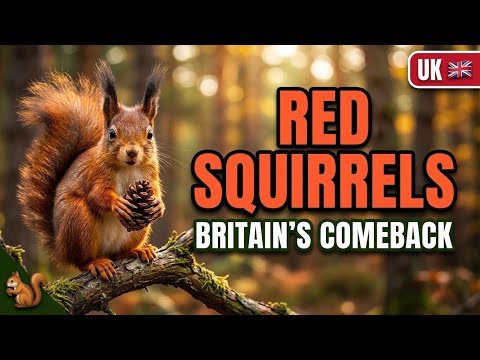
The Washington Department of Fish and Wildlife and local organizations are working on habitat protection and fire management now. Over in Europe, Eurasian red squirrels (Sciurus vulgaris) lose ground wherever invasive Eastern gray squirrels spread.
Gray squirrels outcompete reds and carry squirrelpox, which is deadly for red squirrels. The UK and parts of Italy run programs to control gray numbers and safeguard red squirrel hotspots.
In Asia and Africa, smaller species like the African pygmy squirrel and a handful of tree squirrels face logging and hunting. Conservation needs shift by region: old-growth forest protection in the Pacific Northwest, preserving farmland in California, and anti-poaching plus invasive species control elsewhere.
Threats Facing Endangered Squirrels
Habitat loss leads the list. Logging, farming, urban sprawl, and wildfires keep shrinking forests and grasslands. For the Mount Graham red squirrel, fire and dying trees wipe out food sources fast.
Disease and invasive species make things worse. Squirrelpox, spread by Eastern gray squirrels, devastates Eurasian red squirrel populations. In North America, nonnative species and changing predator mixes make life riskier for isolated groups.
People also cause problems through poaching, road kills, and building developments that split up habitats. Legal protections—like Endangered Species Act listings or state upgrades—bring funding, but we need to support habitat corridors, control invasives, and keep monitoring if these squirrels are going to make it.
Drivers of Endangerment and Conservation Efforts

Let’s dig into what’s pushing some squirrel species toward extinction and what people are actually doing to help. The focus here is on habitat changes, human development, legal protections, and a bit about why squirrels matter.
Habitat Loss and Fragmentation
When we lose habitat, squirrels lose the trees and ground cover they need for food and nests. Farmland, roads, and housing replace woodlands, and squirrel populations shrink, ending up in isolated patches.
Fragmentation splits big populations into tiny groups. These groups have less genetic diversity and face bigger risks from predators and disease. You can help by supporting conservation easements or joining local reforestation projects that bring back native oaks, hickories, and pines.
Wildlife corridors and hedgerows let squirrels move between patches. Urban planners and landowners who connect green spaces reduce isolation and boost survival for species like the Delmarva fox squirrel or some red squirrels.
Impact of Deforestation and Urbanization
Deforestation for timber and farming strips away entire habitats fast. Urbanization replaces forests with concrete and lawns, slashing food sources and removing nesting trees for squirrels that can’t adapt.
Urban heat islands and bright lights mess with breeding and feeding patterns. If you plant native trees or fill your backyard with nut-bearing species, you create small refuges. Cities can help by planning parks and green corridors that connect leftover forests.
Reforestation works best when you use native species. Non-native trees usually don’t provide the right food or shelter for some squirrels. It’s worth checking local guides before starting a planting project.
Role of Conservation Initiatives and Protected Areas
Protected areas and legal protections give endangered squirrels places to live and breed safely. Programs like species recovery plans, land trusts, and habitat restoration funds help populations bounce back, especially with focused recovery for regional species.
You can support things like conservation grants for private landowners or tax incentives that keep forests standing. Active management often means removing invasive competitors, controlling disease, and creating buffer zones around key habitats.
Conservation groups use monitoring, captive breeding, and sometimes reintroductions when needed. When you combine protected areas, wildlife corridors, and community involvement, you give squirrels their best shot at survival.
Ecological Importance of Squirrels
Squirrels play a big part in helping forests bounce back. When they stash nuts and forget about some, those nuts often turn into new trees.
This habit boosts plant diversity and helps forests in your area regenerate naturally. It’s kind of amazing how much impact a squirrel’s memory (or lack thereof) can have.
Squirrels also shape the forest for other creatures. Birds and insects rely on the mature trees that grow thanks to these furry little gardeners.
If squirrels disappear, you’d probably notice fewer new trees popping up. That change could mess with habitats for lots of other species.
Want to help? Try planting or protecting nut-producing trees in your yard or community. Supporting reforestation with native species and backing projects that build wildlife corridors can keep squirrel populations healthy.
If you’re curious about more conservation efforts, check out the U.S. Fish and Wildlife Service’s page on endangered species: https://www.fws.gov/program/endangered-species.


