
Cheetahs are fascinating animals, known for being the fastest land mammal. However, you may wonder if these incredible creatures could really face extinction. Yes, cheetahs are at risk of extinction, with their population declining rapidly, especially in Africa.
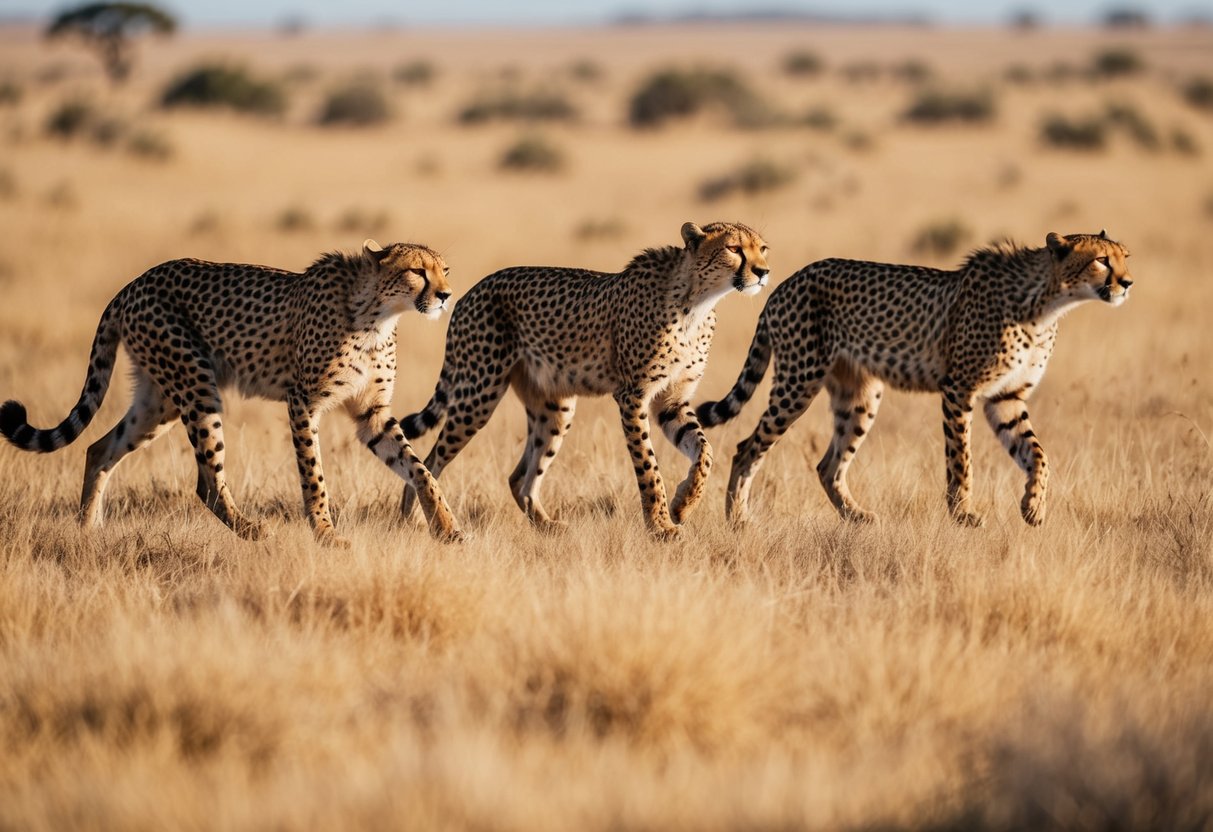
Currently, about 6,500 adult cheetahs are left in the wild. This number is alarming, considering that their habitats are shrinking due to human activities and changing landscapes. With the Asiatic cheetah already nearly extinct in Iran, the challenge is becoming more severe.
As you read on, you’ll discover more about the factors leading to their decline and what can be done to help preserve these majestic animals before it’s too late. Understanding these issues is vital for their survival and the health of our planet.
Understanding Cheetah Biology and Ecology
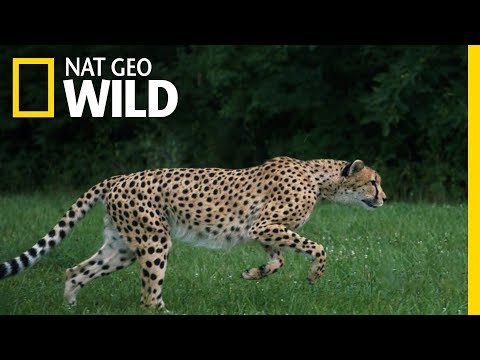
Cheetahs are fascinating creatures, known for their incredible speed and unique adaptations. Their biology and ecology play crucial roles in their survival and the challenges they face today. Let’s explore their physical traits, habitat, diet, and the importance of genetic diversity.
The Physiology of the Fastest Land Animal
Cheetahs are the fastest land animals, reaching speeds of up to 113 km/h (about 70 mph). This incredible speed is made possible by their specialized body structure. Their lightweight frame, long legs, and a flexible spine help them accelerate quickly.
Cheetahs can go from 0 to 96 km/h (60 mph) in just three seconds. This acceleration makes them exceptional hunters. They primarily chase small to medium-sized prey, such as gazelles and impalas. However, their speed comes at a cost. Cheetahs can only sustain these high speeds for short distances, usually around 200-300 meters.
Habitat Range and Diet
Cheetahs are found mainly on the African continent, particularly in savannas and open grasslands. These environments provide ample space for them to hunt and run. They primarily prefer areas with less vegetation, allowing for greater visibility when spotting prey.
Their diet primarily consists of small to medium-sized ungulates, such as springbok and wildebeest calves. Cheetahs use their acute vision and stealth to stalk their prey before launching a swift attack. Nevertheless, habitat loss due to human activities threatens their survival. Development and agriculture reduce their territory and prey availability, making wildlife management essential for their future.
Significance of Genetic Diversity
Genetic diversity is crucial for the long-term survival of cheetahs. Currently, cheetahs are facing challenges like low genetic variability, which can lead to health issues. They have experienced significant population declines due to bottleneck events, where a small number of individuals contribute to the gene pool.
Research shows cheetahs exhibit high levels of homozygosity, meaning they are genetically similar. This lack of genetic diversity makes them vulnerable to diseases and reduces their adaptability to changing environments. In comparison to domestic cats, which display a broader genetic range, cheetahs need a focus on enhancing their genetic variability through effective conservation efforts to ensure their survival.
Threats to Cheetah Survival
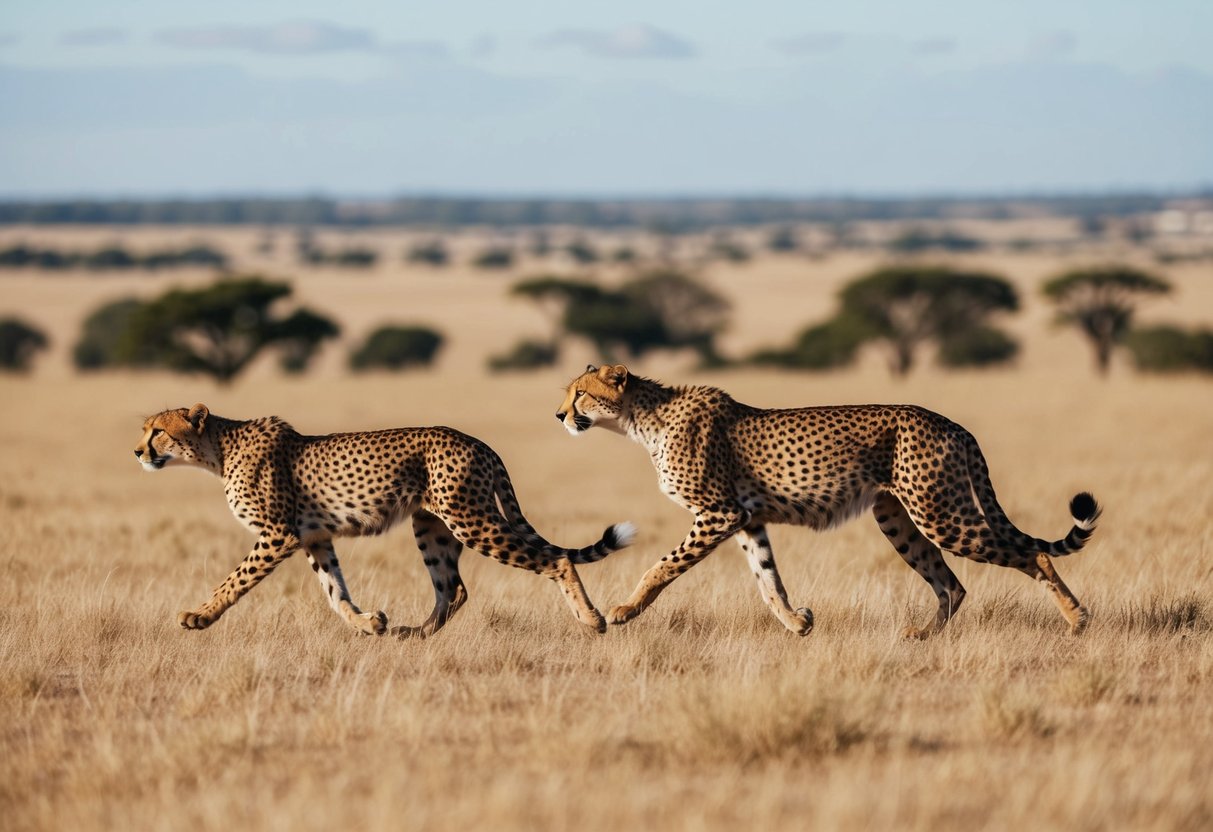
Cheetahs face multiple threats that put their existence at risk. Understanding these challenges is vital to appreciating the urgency of protecting this magnificent species. The main risks include predation and competition with other animals, human impacts, and health-related issues.
Predation and Competition
Cheetahs often compete with larger carnivores such as lions and hyenas for food. These big cats can threaten cheetah cubs, leading to decreased survival rates. When competition for prey increases, it puts pressure on cheetah populations.
- Cub mortality can be particularly high due to predation by larger animals.
- In some areas, this competition leads to cheetahs having to alter their hunting habits, affecting their ability to find food.
As habitats become more fragmented, cheetahs may face even more challenges from these predators.
Human Impact on Cheetah Populations
Human activity significantly affects cheetah survival. Habitat destruction from agriculture and urban development reduces the space they have to roam.
- Poaching is another severe threat. Cheetahs are often hunted for their beautiful fur and sold in the illegal wildlife trade.
- Additionally, human-wildlife conflict arises when farmers see cheetahs as threats to livestock.
This results in retaliatory killings, further decreasing their numbers. Conservation efforts are in place, but they need more support to effectively address these challenges.
Health Challenges and Diseases
Cheetahs are susceptible to various infectious diseases, which can devastate their populations. High-density captive populations may face increased disease transmission.
- Inbreeding in small populations limits genetic diversity, making them more prone to health issues.
- Common diseases affecting cheetahs can include respiratory infections and parasites.
Wildlife reserves play a crucial role in providing a safe environment for cheetahs to thrive. Understanding and addressing these health challenges is essential for conservation programs aimed at protecting this endangered species.
Conservation and the Path Forward
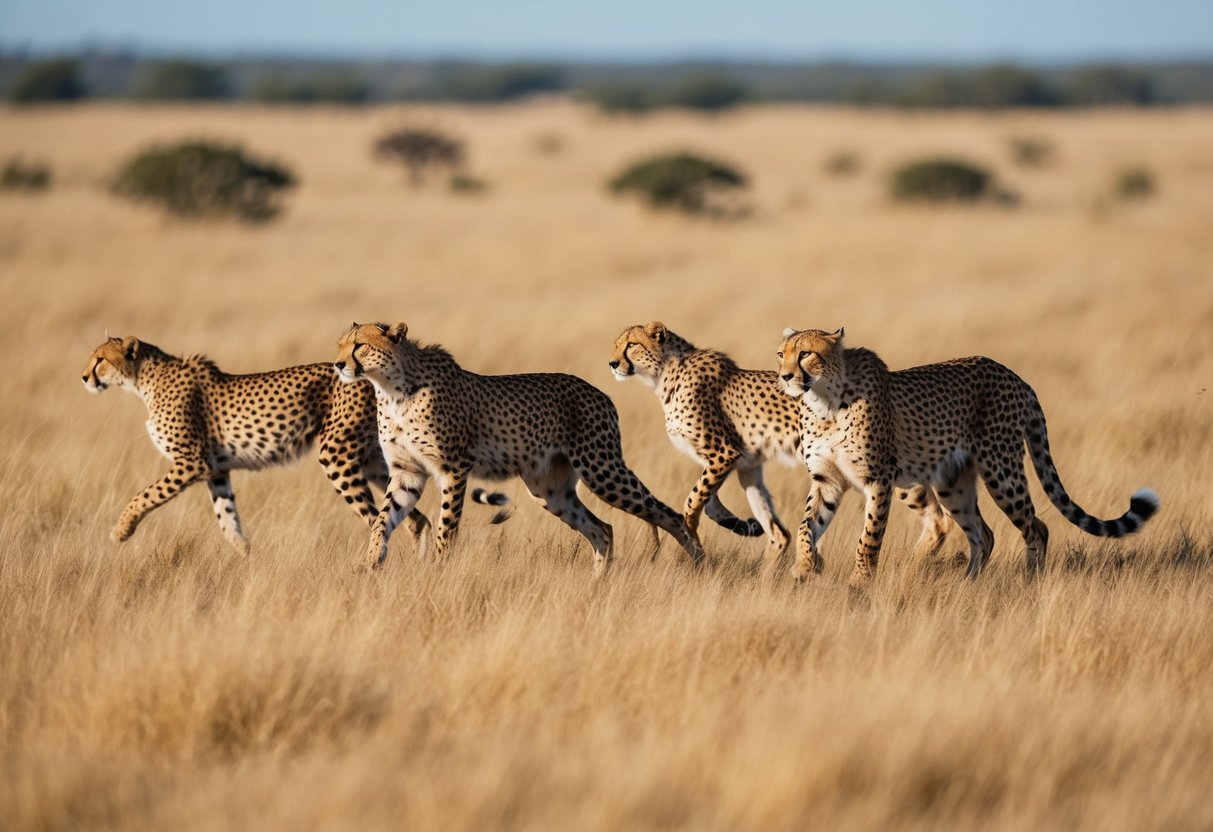
To protect cheetahs from extinction, it is crucial to focus on global initiatives, local community efforts, and scientific research. These strategies work hand in hand to ensure a brighter future for this species.
Global Conservation Initiatives
Many organizations are actively involved in cheetah conservation on an international scale. The Cheetah Conservation Fund (CCF) plays a vital role in protecting cheetahs in Namibia. They work to create protected areas and promote sustainable practices.
The International Union for Conservation of Nature (IUCN) is also essential. They assess the cheetah population, providing data for effective conservation programs. By collaborating with groups like the Wildlife Conservation Society and the Zoological Society of London, these organizations help combat issues like illegal wildlife trade and cheetah trafficking.
Community Efforts and Local Strategies
Local communities are key players in cheetah conservation. Engaging with farmers helps reduce human-wildlife conflict. Programs that educate locals on the importance of biodiversity can foster a supportive environment for cheetahs.
For example, initiatives often provide resources for non-lethal methods of protecting livestock. This helps to ensure that both the community and cheetahs can thrive together. Local strategies often include eco-tourism, which supports financial benefits for communities while encouraging the protection of wildlife and habitats.
Scientific Research and Genetic Management
Understanding and improving the reproductive success of cheetahs is crucial. Scientists focus on maintaining biodiversity within the species by studying the genetic management of populations. This is particularly important for the critically endangered Asiatic cheetah.
Cheetah censuses, identifying unique individuals, and assessing their health benefit from genetic studies. Innovative methods, like skin grafts for injured cheetahs, show how science can help in conservation efforts. By monitoring populations and managing genetic diversity, conservationists can create more effective strategies for the long-term survival of cheetahs.


