
Cheetahs are fascinating creatures known for their speed and grace. When you think of these big cats, you might wonder about their social habits. Cheetahs primarily live alone or in small family groups, unlike lions that form larger prides. This unique behavior helps them hunt effectively and raise their young with more care.
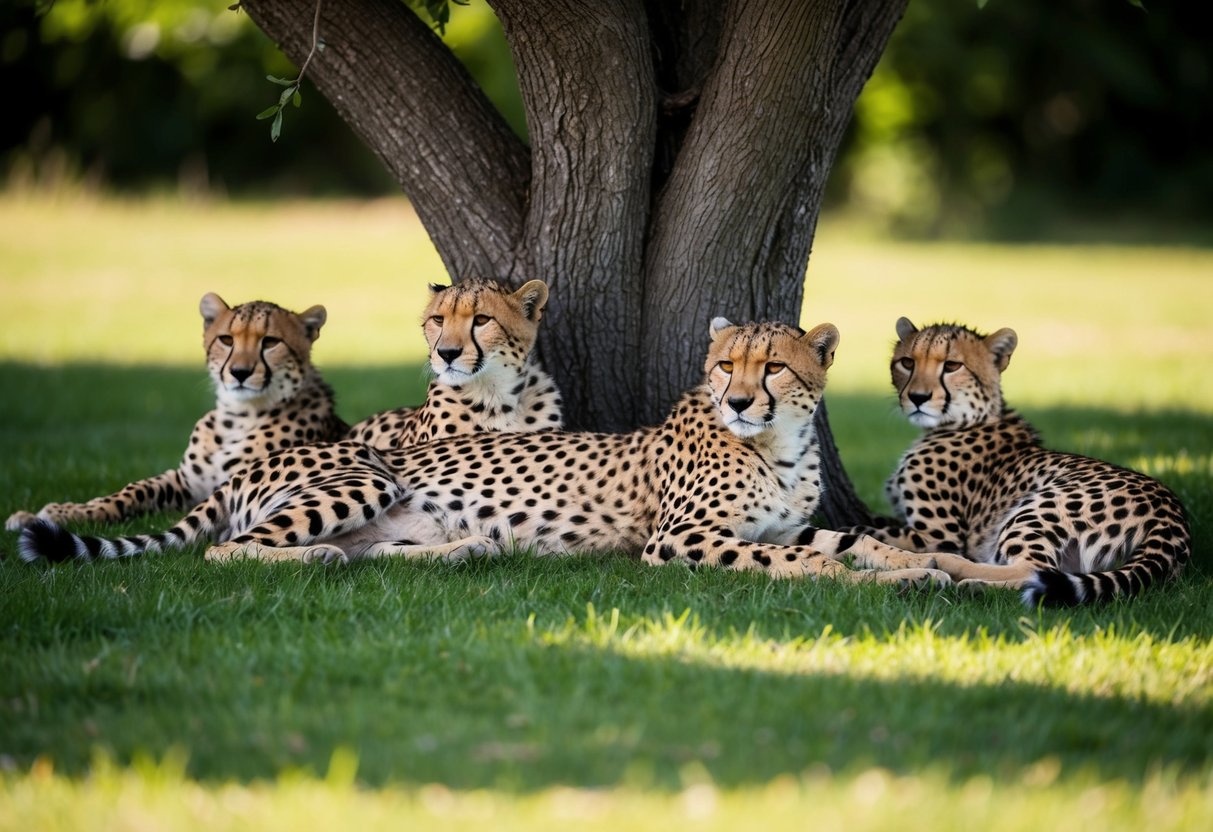
While female cheetahs are mostly solitary, male cheetahs sometimes form groups called coalitions, usually with their brothers. These coalitions help them defend territory and increase their chances of finding mates. If you’re curious about how these dynamics work, you might find the differences between male and female social structures quite interesting.
Exploring the world of cheetahs can give you a better understanding of how they survive in the wild. From their hunting techniques to their parenting styles, there’s much to learn about why these cats often prefer to go it alone.
Understanding Cheetah Social Behavior

Cheetahs have a unique social structure that sets them apart from other big cats. They are primarily solitary animals, but male cheetahs sometimes form groups. Understanding these behaviors helps you appreciate how these fascinating creatures adapt to their environment.
Solitary Nature of Cheetahs
Cheetahs, known scientifically as Acinonyx jubatus, are mostly solitary animals. Female cheetahs typically live alone or with their cubs. They raise their young without the help of males. This ensures that the mother can focus on teaching her cubs essential skills like hunting and avoiding dangers.
On the other hand, adult males may adopt a loner lifestyle or join forces with others. When living alone, male cheetahs safeguard their territory and increase their chances of finding food. This solitary nature is vital for survival, especially in the competitive savannah environment.
Social Structure and Coalitions
Male cheetahs occasionally form small groups known as coalitions. These coalitions usually consist of brothers from the same litter. By working together, they can defend territory more effectively and increase their chances of mating success.
Coalitions help male cheetahs in various ways. They can take down larger prey and guard against potential threats from other predators. This social structure allows them to thrive where living alone might be less successful. Understanding this behavior shows how adaptable and strategic these cats are in their natural habitat.
Territorial Habits and Home Range

Cheetahs have unique territorial habits that are essential for their survival. Understanding these habits helps to reveal how they thrive in various habitats like savannas and grasslands.
Cheetah Territory Dynamics
Cheetah males establish and defend territories that can span over several square miles. This territory is crucial for mating opportunities and access to food. Male territories often overlap with those of females, allowing them to find mates.
The size of a territory can vary greatly. Males with larger territories generally have access to more females. They mark their territory using scent markings, vocal sounds, and visual cues. These markers help signal to others that the area is occupied.
Keeping their territory free of intruders is important. Cheetahs are not aggressive like lions but will chase off other cheetahs if necessary. This protective behavior helps ensure they can hunt and raise young successfully.
The Nomadic Lifestyle of Females
Female cheetahs lead a more nomadic lifestyle compared to males. They often travel alone and have large home ranges that can overlap with several male territories. This strategy helps them locate food sources, especially in areas where prey migrates.
When raising cubs, a female’s home range provides enough room to find food without competing with other cheetahs. Females are also known to change their territory based on the availability of prey.
While solitary, female cheetahs can be found near their young, teaching them essential hunting skills. This nomadic approach allows them the freedom to explore while ensuring their cubs have the best chance for survival.
Family Life and Cub Rearing
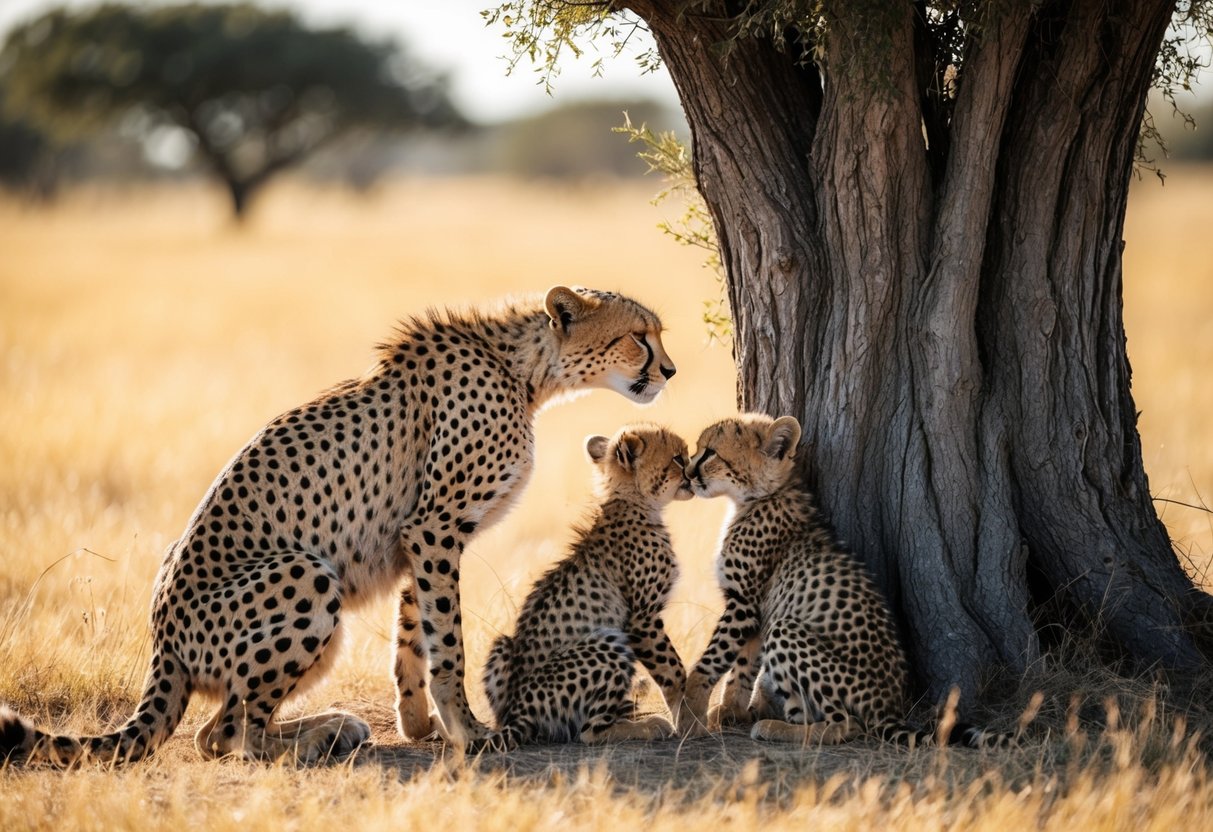
Cheetah family life revolves around the mother and her cubs. The mother plays a crucial role in raising her young and teaching them vital survival skills. The bonds formed among siblings are essential for their growth and development.
Cheetah Cubs and Mothers
When cheetah cubs are born, they weigh only about 200-300 grams. This makes them very vulnerable in the wild. The mother is a dedicated caregiver, staying close to her cubs for about 18 months. During this time, she teaches them how to hunt and survive.
She often moves her cubs to different locations to keep them safe from predators. Her solitary nature allows her to focus on her cubs without the stress of competing with other adults. While mothers are alone, they fiercely protect their young. They use stealth and speed to ward off threats.
Sibling Bonds and Learning to Hunt
Siblings form close bonds as they grow up together. This sibling group is important for their social development. They play and practice skills such as stalking and pouncing on one another. These games help them learn important hunting techniques.
When the cubs reach about six weeks old, they begin exploring their surroundings. They learn by watching their mother hunt. As they grow older, they join her in hunting activities. This teamwork helps them develop the skills they need when they eventually hunt on their own. Those early experiences with their mother and siblings set the foundation for their future as independent hunters.
Conservation and Future of Cheetahs
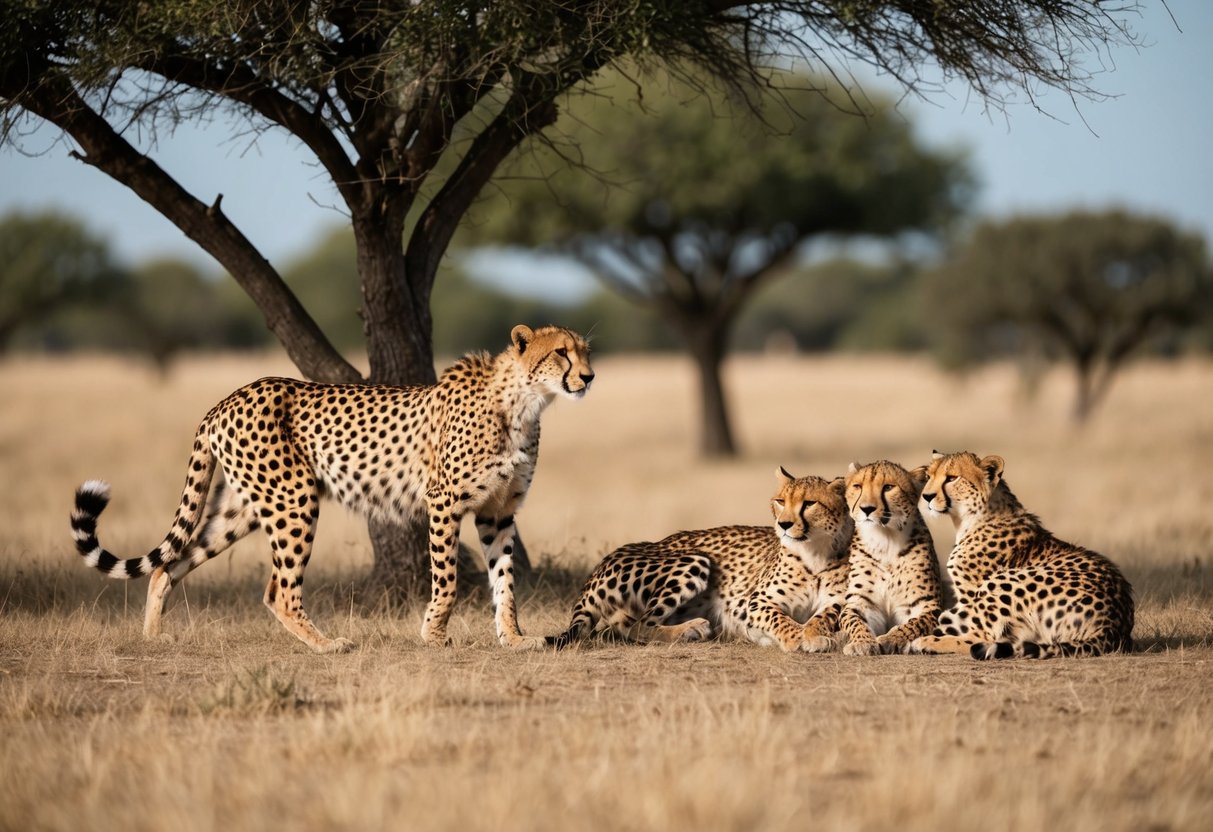
Cheetahs face serious challenges in the wild, primarily due to habitat loss and growing human impacts. Understanding these issues can help in protecting these magnificent animals for future generations.
Impact of Habitat Loss
Habitat loss is one of the most pressing threats to cheetah populations. As cities expand and agriculture grows, more land is taken away from wildlife.
This leads to smaller habitats, which can cause overcrowding and increased competition for resources. Cheetahs require large territories to hunt effectively, and a smaller habitat can mean less prey.
Additionally, when habitats shrink, conflicts between humans and cheetahs often rise. For example, farmers may perceive cheetahs as threats to their livestock, leading to harmful actions against them.
Global Conservation Efforts
Many organizations are working hard on cheetah conservation. These efforts range from protecting habitats to running captive breeding programs.
Breeding cheetahs in captivity can help boost their numbers. These programs allow for genetic diversity and can eventually lead to reintroducing cheetahs into the wild.
Educating local communities about the importance of cheetahs in the ecosystem is vital. When people understand that cheetahs control prey populations, they may be more willing to coexist with them.
Protecting cheetah habitats and supporting conservation programs are crucial steps in ensuring a brighter future for this species. Through collective efforts, we can help maintain a balance in their ecosystems and secure their survival.


