
Cheetahs are fascinating animals known for their speed, but unfortunately, they have a shorter lifespan compared to many other big cats. Low genetic diversity, diseases, and challenges in their natural habitat are the main reasons cheetahs do not live long.
In the wild, they face threats from larger predators and habitat loss, which can lead to stress and poor health.
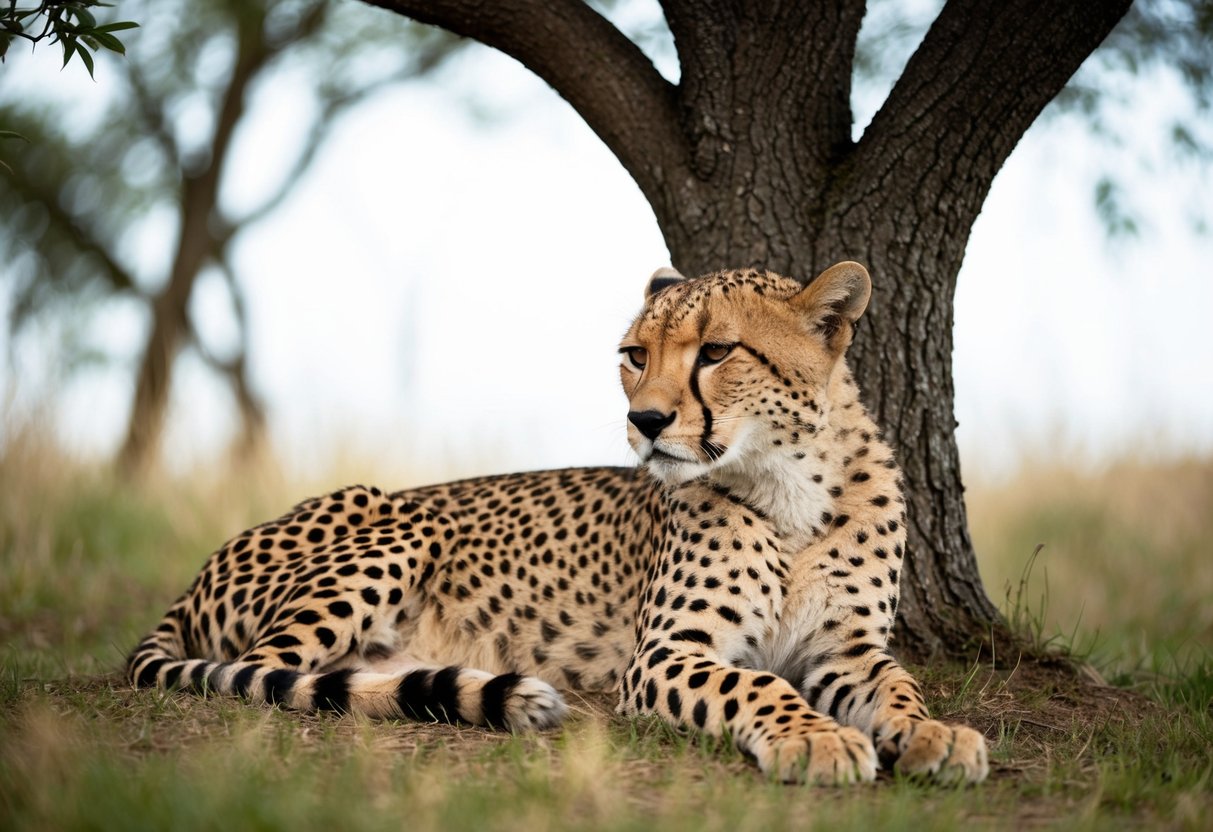
You might be surprised to learn how genetic diversity plays a crucial role in cheetah survival. With a limited gene pool, these cats have a higher chance of developing health issues. This means that diseases can spread quickly and impact their populations.
As cheetahs are classified as endangered, their future is uncertain, making it even more essential to understand the factors that cut their lives short.
Exploring the reasons behind the short lifespan of cheetahs can help promote awareness and conservation efforts. By learning about their struggles, you can be part of the solution to protect these incredible animals and ensure they have a chance to thrive in the wild.
Physical Characteristics and Behaviors
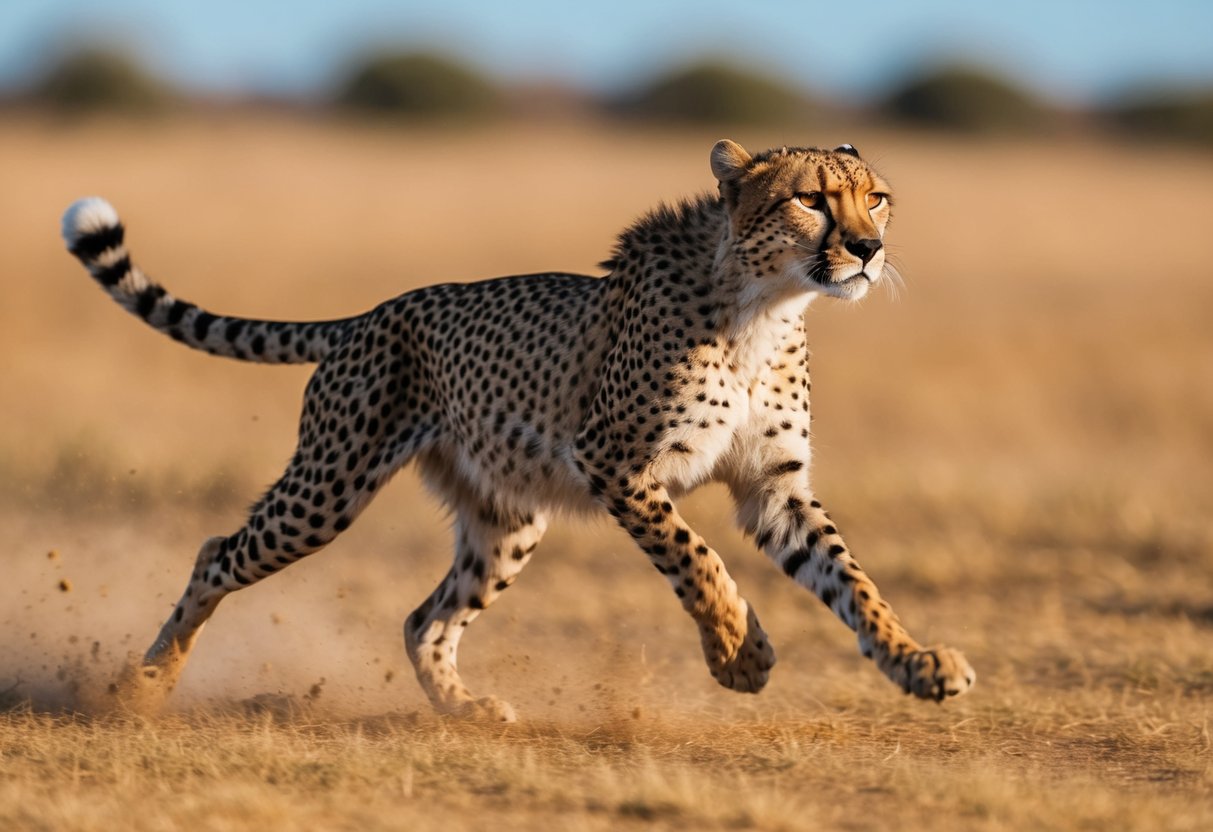
Cheetahs are built for speed and agility, which plays a big role in their survival. Their physical and behavioral traits help them thrive in their habitats. Let’s explore their unique adaptations and behaviors.
Anatomical Adaptations
Cheetahs have several unique physical adaptations that support their incredible speed. They possess a lightweight frame with long legs, allowing them to reach speeds up to 70 mph (112 kph) in short bursts.
Their flexible spine helps stretch their body and lengthen strides during a chase.
Their large nostrils and lungs allow for increased oxygen intake, vital during high-speed pursuits. The tail, measuring 26 to 33 inches long, acts as a rudder, helping them maintain balance and direction when making sharp turns.
Their small, sharp teeth are designed for catching and holding onto prey, while their keen eyesight enables them to spot animals from afar.
Distinctive Behaviors
Cheetahs have specific behaviors that are essential for hunting and survival. They use a combination of stalking and sprinting to catch their prey, often targeting smaller mammals that weigh less than 88 pounds (40 kg).
Cheetahs are known for their incredible acceleration, allowing them to go from 0 to 60 mph in just a few seconds.
They display great camouflage with their unique coat pattern, helping them blend into the grasslands. This ability is crucial when sneaking up on prey.
Once they spot a target, they rely on speed and precision to pursue, with a success rate of about 50% when hunting small mammals.
Social Structure and Communication
Cheetahs have a unique social structure compared to other big cats. Males often form small groups called coalitions. This helps them defend territory and increase hunting success. Female cheetahs typically live alone or with their cubs and are the primary caregivers.
Communication is also important. Cheetahs use various vocalizations, such as chirps and hisses, to express emotions and communicate with one another.
Body language plays a role too, as they use tail movements and facial expressions to signal their intentions. Understanding these behaviors can give you better insight into their lives in the wild.
Cheetahs in the Wild

Cheetahs face unique challenges in the wild that impact their lifespan. Factors like hunting habits, reproduction, habitat preferences, and threats contribute to their overall survival.
Hunting and Diet
Cheetahs are known for their incredible speed, making them the fastest land animals. They primarily hunt small to medium-sized ungulates, with gazelles being their top choice.
The hunting method usually involves stalking closely, then sprinting at speeds up to 60 miles per hour over short distances. This high-speed chase requires lots of energy and puts them at risk of injury.
Their diet mainly includes animals such as Thomson’s gazelles and springboks. They usually hunt alone or in small groups, which is different from other big cats that may take down larger prey.
Reproduction and Cub Rearing
Cheetah mating occurs throughout the year, but peaks during certain seasons. The gestation period lasts about 90 to 95 days. A female usually gives birth to 3 to 5 cubs in a secluded area to keep them safe.
Cheetah cubs are vulnerable in their early months. They rely on their mother for food and protection. The female will teach them crucial survival skills.
After a few months, cubs begin to accompany their mother on hunts. This training is important, as young cheetahs must learn to catch prey before becoming independent.
Habitat and Distribution
Cheetahs primarily inhabit grasslands, savannas, and arid regions. Their populations are mainly found in sub-Saharan Africa, particularly in countries like Namibia, Botswana, and Tanzania.
These areas provide open spaces needed for hunting. Cheetahs prefer habitats with ample prey and minimum competition from apex predators like lions and hyenas.
Wildlife reserves help protect their habitats and offer safe spaces where they can thrive. However, the availability of suitable habitats is shrinking due to environmental changes and human activities.
Threats to Survival
Cheetahs face numerous threats that impact their populations. Habitat loss due to agriculture and urban development reduces their living spaces.
Competition with larger predators for food plays a big role in their struggles. Lions and hyenas often take over cheetah kills, making survival harder.
Additionally, poaching and illegal wildlife trade pose serious risks. These challenges have resulted in a significant decline in the cheetah population, with estimates showing only 7,500 to 10,000 cheetahs remain in the wild.
Conservation and Future Prospects
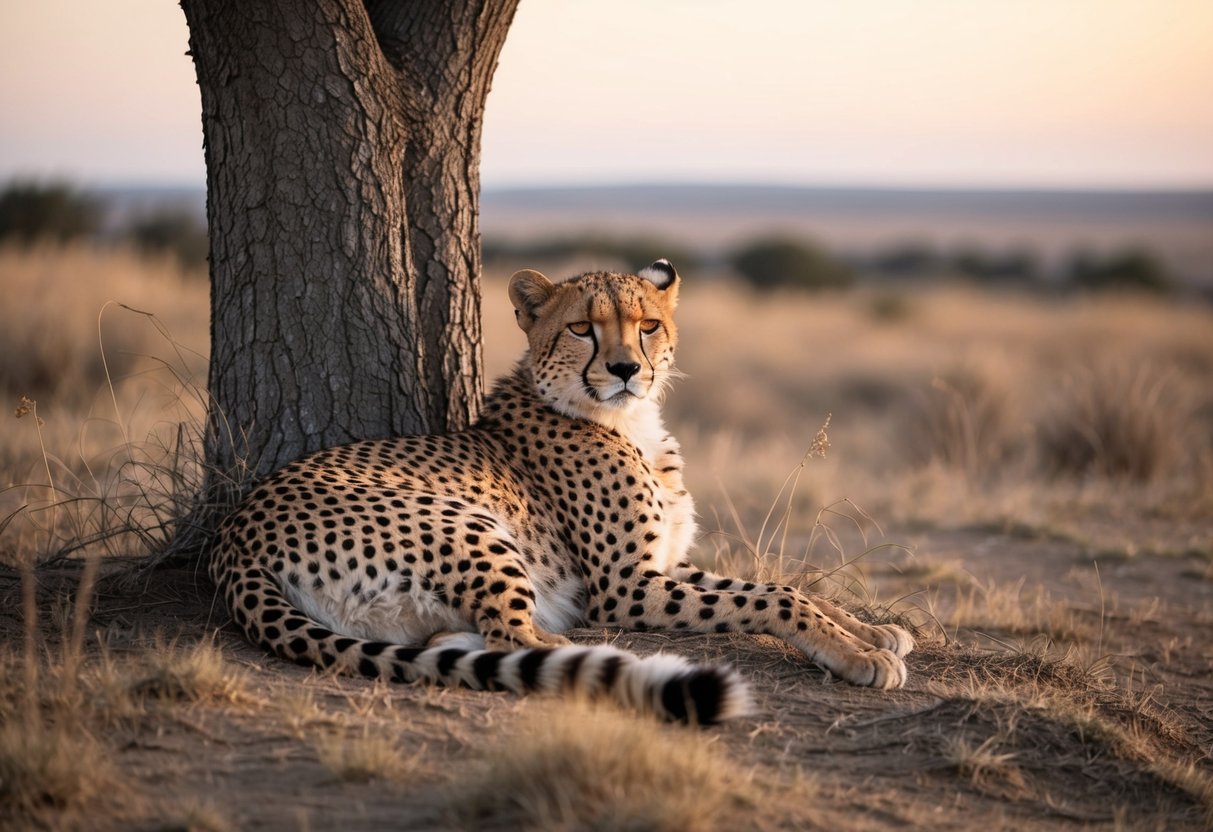
Cheetahs face significant challenges that threaten their survival and future. Understanding these issues helps highlight the importance of ongoing efforts to conserve this iconic species.
Challenges in Conservation
Several factors make it hard to protect cheetahs. Habitat loss is a major concern, as urban development and agriculture shrink the space they need to roam. This puts pressure on their natural environment.
Additionally, human-wildlife conflict often arises when cheetahs come into contact with farmers and livestock. This can lead to retaliatory killings.
Poaching for skins and illegal wildlife trafficking also threatens their population. According to the IUCN, cheetahs are classified as vulnerable, with their numbers dwindling.
Finally, climate change affects their ecosystems, altering prey availability and breeding patterns, causing a higher cub mortality rate.
Active Conservation Efforts
Many organizations focus on creating protected areas for cheetahs. These areas help them live safely.
Breeding programs in zoos also play a key role. They help maintain genetic diversity and allow for eventual reintroduction into the wild.
Research projects focus on understanding cheetah behavior and habitat needs. This information guides conservationists in making informed decisions.
Raising awareness about cheetahs is crucial. Community involvement can lead to better protection measures, such as anti-poaching patrols and habitat restoration projects.
These conservation efforts aim to prevent extinction and promote biodiversity. They ensure a future where cheetahs can thrive in their natural habitats.


