
If you look closely at droppings, you can spot some real differences between rats and squirrels. Rat droppings usually come out darker, smoother, and more tapered. Squirrel droppings, on the other hand, tend to be lighter, rougher, and a bit more rounded. Noticing these details quickly helps you figure out what pest you’re up against and whether it’s time to act.

If you stumble on pellets in your attic, pantry, or out in the yard, this guide will help you check their shape, size, color, and texture. That way, you can make a pretty good guess about which critter left them behind.
You’ll also see why the spot where you find droppings matters, plus what risks each animal brings to your home.
Ready for some practical tips? Let’s get into how to ID droppings, stay safe during cleanup, and keep your house protected.
Identifying Differences Between Rat and Squirrel Droppings
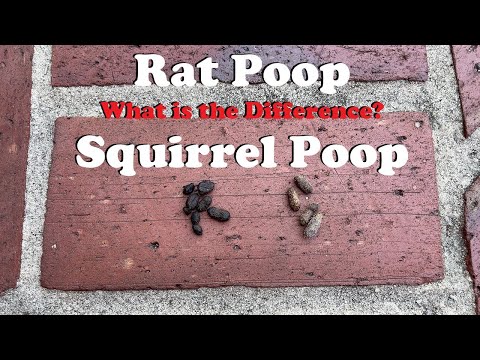
You can tell which rodent you’re dealing with by looking at shape, size, color, texture, where the droppings show up, and how they’re arranged. Check those pellets closely and look for patterns—these details point you toward squirrel droppings, rat droppings, or maybe even mouse poop.
Key Visual Differences in Shape and Size
Squirrel droppings usually show up as short, plump pellets—about 3/8 inch long—with rounded ends. They look barrel-shaped and pretty smooth.
You’ll often spot small piles of 5–12 pellets where squirrels like to rest or hang out.
Rat droppings run longer, about 1/2 to 3/4 inch, and they’re often tapered at one or both ends. Some say they look like grains of rice or even dried raisins.
A single rat can leave a surprising number of scattered pellets in just one night. You might see 40–50 pieces if you check over time.
Here’s a quick cheat sheet:
- Squirrel poop: shorter, rounder pellets.
- Rat poop: longer, tapered pellets.
Grab a ruler or compare to a penny for a fast size check.
Color and Texture Comparison
When they’re fresh, both squirrel and rat droppings look dark and shiny.
As squirrel poop dries, it often turns brown or even gets a whitish tint at the ends. The surface usually stays pretty smooth.
Rat feces tend to stay darker as they dry and look kind of wrinkled or raisin-like. Sometimes you’ll spot hair fragments or tiny fibrous bits stuck to them.
Texture really helps: smooth and uniform? That’s probably squirrel. Uneven and textured? Likely a rat.
Always treat droppings as hazardous. Put on gloves and a mask before getting close or cleaning up.
Distribution and Location Patterns
Squirrels seem to use the same spots over and over. You’ll notice small, concentrated piles in attics, near rafters, on beam ledges, or around tree trunks.
Squirrel droppings form local clusters, not long trails.
Rats leave their droppings in lines along baseboards, behind appliances, and near food sources. Their pellets scatter along runways and hug wall edges.
If you spot greasy rub marks or gnawing along these paths, that’s another clue you might have rats.
Think about timing too: if you hear daytime scurrying, that points to squirrels. Nighttime noises usually mean rats.
Combine the location, pattern, and how many pellets you see to make a solid guess.
Differentiating from Mouse Poop
Mouse poop is much smaller—usually about 1/8 to 1/4 inch—and pointed at the ends.
If you find tiny, numerous pellets, you’re probably looking at mice.
Shape helps here: mouse droppings look like small grains of rice and are more uniform than rat poop.
Mice leave droppings near food packages, in cabinets, and inside drawers.
If you’re still not sure, compare the size: mouse < squirrel < rat.
Take a photo and measure against a coin, then match the pattern and spot to figure out what you’re dealing with.
Health Risks and Home Impacts

Droppings can spread disease, stain insulation, and signal chewing and nesting that destroy wiring, food, and the structure of your home.
Treat any fresh or old droppings as hazardous and act quickly to keep your family and home safe.
Disease Transmission and Safety Precautions
Rat and squirrel feces can carry some nasty pathogens that affect people directly.
Norway rats and other rodents may spread hantavirus, salmonellosis (salmonella), leptospirosis, and rat-bite fever. Squirrels sometimes carry leptospirosis and tularemia, depending on the region.
Fresh droppings and urine pose a bigger risk because they can release infectious particles into the air when disturbed.
If you find droppings, don’t sweep or vacuum them dry. Put on gloves and an N95 mask, open a window, and spray droppings with disinfectant or a 10% bleach solution.
Let it soak for 10 minutes before wiping. Bag waste in double plastic, then wash your hands and clothes well.
If anyone feels sick or flu-like after exposure, see a doctor and mention possible rodent contact.
Damage from Infestation
Rodents chew all the time to wear down their teeth.
Rats and squirrels both gnaw on wood, insulation, and drywall. Squirrels usually cause more trouble in attics and rooflines, while rats stick to basements, kitchens, and wall voids.
Chewed wires are a real fire hazard and cause plenty of electrical problems.
Nests made from shredded insulation or paper can mess with your home’s thermal efficiency and ruin HVAC performance.
Heavy or repeated chewing might even damage structural wood and siding.
Check attics, crawlspaces, and behind appliances for gnaw marks, shredded nests, and exposed wiring. Snap photos if you need to show pest control or your insurance company.
Recognizing Infestation Signs
Here’s what to look for: pellet-shaped droppings (the size and shape help you ID the species), greasy marks along baseboards from rat activity, and small shredded nests in attics from squirrels.
Norway rats leave ½–¾ inch dark, pointed droppings. Squirrel droppings usually come in at about 3/8 inch and are more rounded.
Other clues include tracks or tail marks in dust, rub marks near entry points, chewed holes around eaves or the foundation, and sightings at dusk or dawn.
A rat nest will look like a tight bundle of shredded paper or fabric in a hidden spot. Squirrel nests in attics are bigger and looser, often close to vents.
Keep a log of where you find droppings and other signs. This info really helps pest management pros when they come to help.
Prevention and Pest Control Solutions
Seal up entry points. Try using 1/4-inch hardware cloth, metal flashing, or even cement to close off any gaps in eaves, vents, and the foundation.
Squirrels need bigger openings, but rats? They’ll squeeze through holes as small as half an inch. It’s honestly surprising how small a gap they can use.
Trim back tree limbs regularly so they don’t give pests a bridge to your roof.
Keep food and water out of reach. Store everything in metal or thick plastic containers, and remember to fix any leaky pipes.
Pick up bird seed and pet food right away. Leaving it out just invites trouble.
If you find yourself dealing with an infestation, call a licensed pest control service. They handle exclusion, trapping, and sanitation.
The pros will check your property, set traps or bait safely, and suggest repairs like wire protection or even replacing attic insulation.
If you need to remove wildlife like squirrels legally or humanely, double-check permits and methods with your provider. It’s better to be sure than sorry.


