
A chigger bite can look a lot like other bug bites at first, which is why many people confuse it with bed bugs, fleas, or mosquitoes. The best clues are the pattern, the location on your body, and how quickly the itching starts.
If you know where you were exposed and notice clustered, intensely itchy bumps in areas where clothing fits snugly, chigger bites become much more likely than bed bugs.

Chiggers are tiny mite larvae, and their bites can trigger stubborn itching even after the mites are gone. In many cases, the skin reaction stands out more than the actual bite, which leads people to ask, what are chigger bites, and why do they seem to appear hours after time outdoors?
Knowing the difference between chigger bites and bed bug bites can save you time and help you choose the right treatment. It also helps you figure out whether you picked up chiggers outside or if the problem is happening in your bedding or home.
How To Identify The Rash

Chigger bites usually show up as small, very itchy bumps rather than large welts. The rash pattern, the site of the bites, and whether you were outdoors in grass or brush can point you in the right direction.
What Chigger Bites Look Like
Chigger bites often appear as red, raised, itchy bumps that may cluster together. You may also see a small central dot or a patch of irritated skin, especially after repeated scratching.
The itching often eases within 24 to 48 hours as the mites fall off naturally at the first sign of irritation. Cleveland Clinic explains that the reaction can feel intense even when the skin changes look mild.
Chigger Bites Vs. Bed Bug Bites
Chigger bites usually show up on skin that was exposed outdoors, especially around the ankles, waistline, sock line, or behind the knees. Bed bug bites more often appear after sleeping, and they can show up in lines or clusters on exposed skin like arms, neck, or face.
A chigger rash tends to feel like relentless itching with small itchy bumps, while bed bug bites may look more like scattered red welts. If the problem starts after hiking, yard work, or sitting in tall grass, chiggers are a strong possibility.
If the bites keep appearing overnight, bed bugs deserve a closer look.
How They Compare With Flea Bites And Mosquito Bites
Flea bites often target the lower legs and ankles too, which can make them easy to confuse with chigger bites. Mosquito bites usually form larger puffy bumps and are not as tightly tied to clothing lines or skin folds.
Chigger bites are more likely to be tiny, grouped, and extremely itchy. Flea bites can also be clustered, while mosquito bites are often fewer and more spread out.
If you have been outdoors in grass, red bugs or baby chiggers are far more likely to explain the pattern than mosquitoes.
Where They Appear And Why They Itch

Chigger bites tend to land where clothing traps the mites against your skin. The itching can feel delayed at first, then become the main symptom as your skin reacts to the saliva-like fluids the mites use while feeding.
Common Bite Locations On The Body
You are most likely to notice symptoms of chigger bite on the ankles, lower legs, waistband, groin, belt line, and behind the knees. These spots are common because they are easy for the mites to reach and hard for you to notice right away.
Why Skin Folds And Tight Clothing Matter
Skin folds and tight clothing create warm, protected areas where chiggers can linger and feed. Waistbands, sock tops, bra bands, and tight cuffs are classic spots because the mites get trapped where fabric presses into the skin.
If you want to remove chiggers more effectively after exposure, take a shower and change clothes as soon as possible. Fast cleanup can reduce the number of mites staying on your skin and lower the chance of a stronger rash.
Symptoms Over The First Hours And Days
The itching may start hours after exposure, then peak within the first day. You may see small red bumps, swelling, or scratch marks, and the skin can stay irritated for a few days even after the mites are gone.
Chiggers usually fall off after feeding or after you scratch and wash them away. The rash can outlast the mites, so the skin may itch even when there are no live chiggers left.
Relief, Recovery, And When To Get Help

The main goals are to calm the itch and protect the skin. Most cases improve with basic care and time, especially if you avoid scratching.
Immediate Steps After Possible Exposure
Wash the skin with soap and water, then change into clean clothes. A quick shower may help remove any remaining mites before they keep irritating the skin.
At-Home Itch Relief Options
A cold compress can take the edge off the burning and itching. You can also use calamine, hydrocortisone, or an anti-itch cream, and some people get extra relief from antihistamines at night.
Try hard to avoid scratching, even when the urge feels intense. Scratching breaks the skin, raises the risk of infection, and can make the rash linger longer.
Warning Signs That Need Medical Attention
Get medical help if the area becomes hot, very swollen, or starts draining pus, since that can signal infection. Fever, body aches, or a spreading rash need attention too, especially if you were exposed in areas where scrub typhus is a concern.
Seek care if the itching is severe enough to disrupt sleep for several nights or if home treatment is not helping.
Prevention At Home And Outdoors
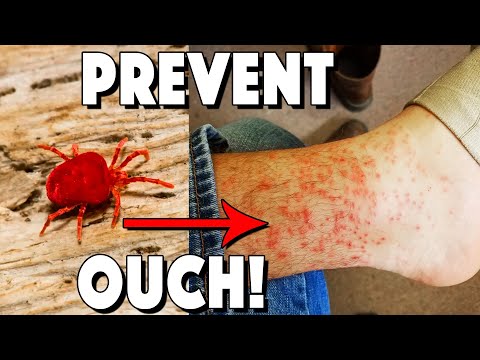
Prevention works best when you reduce skin exposure, use the right repellent, and manage the places chiggers like to gather. You do not need to eliminate every outdoor risk, just lower the odds that mites reach your skin in the first place.
Where Chiggers Live
Chiggers are most common in moist outdoor areas with tall grass, weeds, brush, and leaf litter. They tend to be a problem along trail edges, fields, and overgrown yards rather than in neat, well-maintained spaces.
Protective Clothing And Repellents
Wear long pants, long sleeves, and closed shoes when you are in risky areas. Tucking pants into socks can help, and an insect repellent with deet may reduce bites; permethrin-treated clothing adds another layer of protection.
Yard Management And Pest Control
If you want to get rid of chiggers around your property, keep grass trimmed. Remove brush and clear leaf piles where mites can shelter.
Some homeowners use bifenthrin products in targeted outdoor treatments. If chiggers keep coming back, pest control professionals can handle the problem more effectively.


