
Have you ever wondered which dog breed is closest to a wolf? The Alaskan Malamute is one of the most genetically similar breeds to wolves. People often mistake them for wolves due to their appearance. These dogs share not only striking looks but also some behavioral traits, reflecting their wild ancestry.
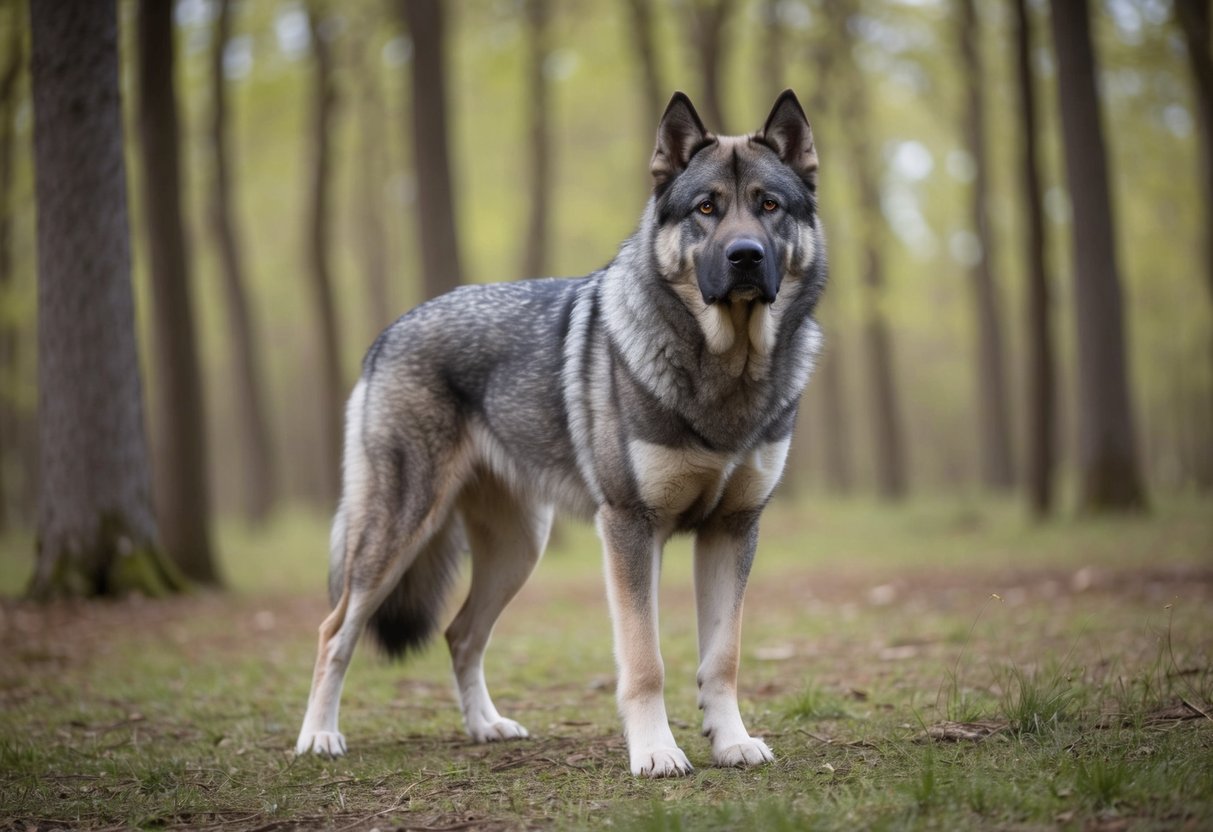
As you explore this topic, you’ll find that many breeds exhibit characteristics reminiscent of their wolf relatives. This includes traits like loyalty, intelligence, and even a hint of wildness. Understanding these connections can deepen your appreciation for your furry friends and their fascinating backgrounds.
In this article, you will discover more about various dog breeds that share lineage with wolves and what makes each one unique. You’ll learn why some breeds stand out and how their heritage influences their behavior.
Understanding Canine Genetics

Canines have a fascinating history rooted in their evolution from wolves. Recognizing these connections helps you appreciate the genetics that shape your dog today. Here, you can learn about how domesticated dogs share a lineage with their wild ancestors and what that means for their genetic makeup.
Evolution of Dogs from Wolves
Dogs are descendants of wolves, specifically from the species Canis lupus. Thousands of years ago, humans began to domesticate wolves, which marked the start of a long journey to what we know as modern dogs today.
Through selective breeding, traits that were favorable for companionship, hunting, and herding emerged. This led to distinct breeds that exhibit unique characteristics, while still retaining a strong connection to their wild ancestors.
Most dogs can trace their lineage back to these early wolves, showcasing a bond that remains evident in both behavior and appearance.
Genetic Relation Between Dogs and Wolves
Dogs and wolves share about 99% of their DNA, highlighting their close genetic relationship. The scientific name for domestic dogs is Canis lupus familiaris, which reflects this ancestry.
The genetic similarities mean that many traits, such as pack behavior and communication skills, are present in both species. For instance, dogs can show behaviors like howling, which is a wolf trait.
Certain breeds, such as the Alaskan Malamute and the Siberian Husky, display even stronger wolf-like features due to their closer relation to their wild ancestors. Understanding these genetics can help you appreciate your dog’s behavior and needs more fully.
Breeds with Close Wolf Ancestry
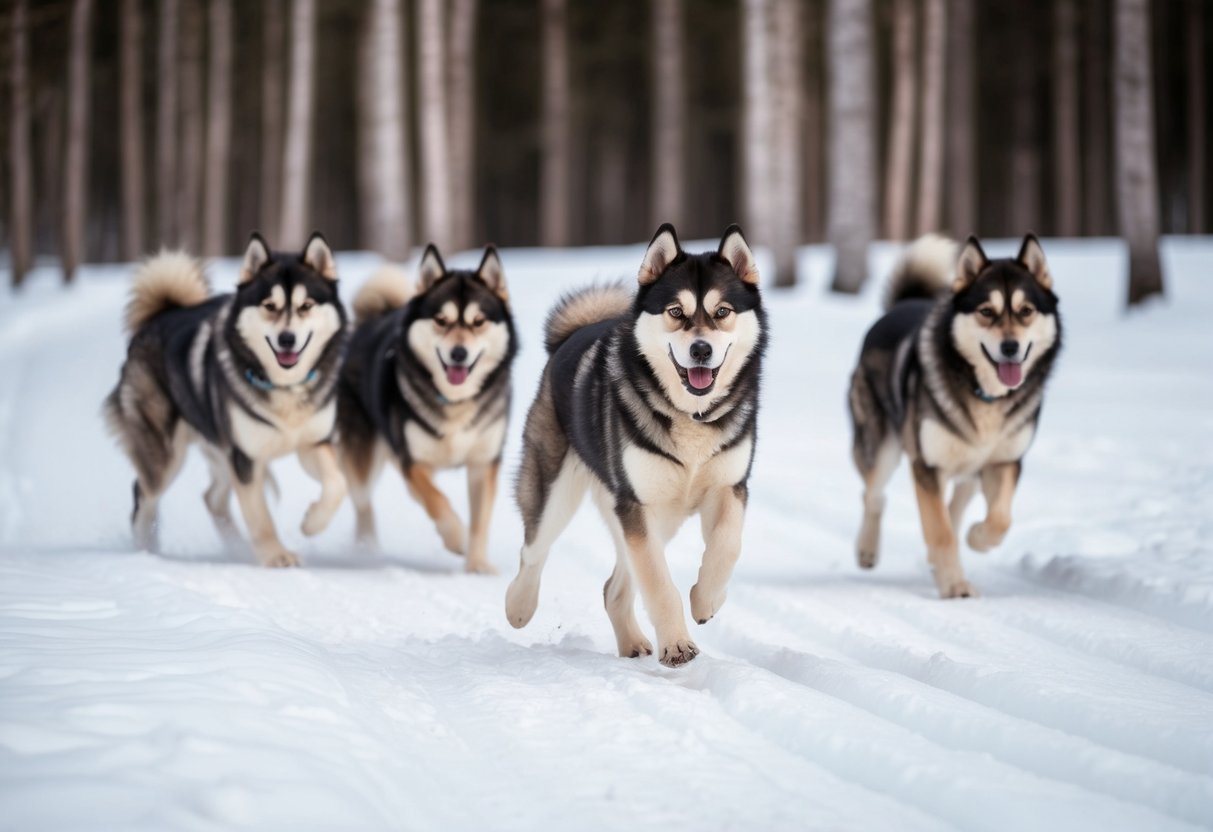
There are several dog breeds that share a close ancestry with wolves. These breeds exhibit wolf-like characteristics and traits that reflect their heritage. Here are a few notable examples.
Alaskan Malamute
The Alaskan Malamute is a large and powerful breed originally bred for heavy hauling. They have a strong build, thick fur, and a bushy tail that curls over their back.
These dogs are known for their intelligence and endurance, making them excellent working dogs in cold climates. Malamutes often display loyalty and can be quite affectionate with their families.
When well-trained, they can be excellent companions. However, they can also exhibit strong prey drive, so early socialization is essential. Their resemblance to wolves is evident in their appearance and behavior.
Siberian Husky
Siberian Huskies are well-known for their striking looks and friendly disposition. They have a thick double coat, erect ears, and beautiful markings that can resemble those of a wolf.
Originally bred as sled dogs, Huskies are energetic and require plenty of exercise. They are social animals and often get along well with other dogs.
Their playful nature makes them great family pets. Keep in mind that they can be stubborn at times, requiring patience during training. Huskies have strong instincts and love to run, which reflects their ancestry.
Czechoslovakian Vlcak
The Czechoslovakian Vlcak is a unique breed created by crossing German Shepherds and Carpathian wolves. This breed is known for its wolf-like appearance, with a lean body and striking yellow eyes.
Czechoslovakian Vlcaks are intelligent and highly trainable, making them suitable for various roles, from working dogs to family pets. They need regular mental and physical stimulation to thrive.
These dogs are known for their loyalty and protective nature. However, they may be wary of strangers, so socialization from an early age is crucial. Their close ancestry to wolves is evident in both their behavior and appearance.
Saarloos Wolfdog
The Saarloos Wolfdog is another breed that closely resembles wolves. Developed in the 1930s in the Netherlands, this breed combines German Shepherd genetics with the Eurasian wolf.
Saarloos Wolfdogs are known for their loyalty and strong pack instincts. They form deep bonds with their families and can be very affectionate.
These dogs are intelligent and require consistent training and socialization. It’s important to note that they may need more experience to handle compared to typical dog breeds. Their natural behaviors and wolf-like traits make them fascinating companions for the right owner.
Characteristics and Behavior
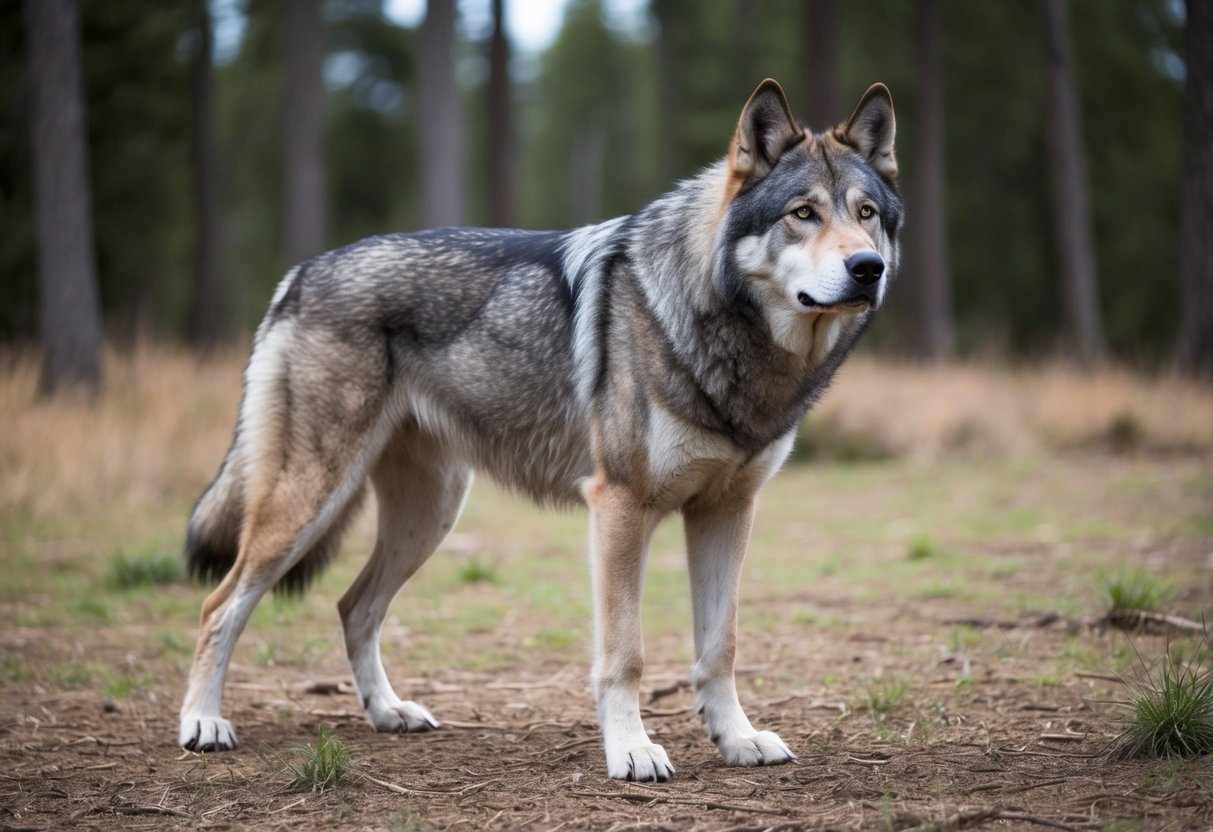
When considering a dog breed closest to wolves, it’s important to understand their physical traits and behavior. These dogs often display wolf-like features and have distinct social behaviors that reflect their ancestry.
Physical Traits and Features
Many breeds closely related to wolves, like the Siberian Husky and Alaskan Malamute, share a wolf-like appearance. They have thick fur, erect ears, and bushy tails, which help them thrive in various environments.
These dogs tend to have a strong build and a powerful stance. Their facial structure may resemble that of a wolf, with a broader skull and deep-set eyes.
The prey drive in these breeds can be high. They often exhibit instincts to chase smaller animals, so careful supervision is necessary in open areas. This physical similarity and wolf-dog connection speak to their shared lineage.
Temperament and Social Behavior
Dogs that are genetically similar to wolves often display a strong pack mentality. They thrive in social settings and usually bond closely with their human family. This trait results from their ancestry, where living in packs was essential for survival.
While they are social, many of these breeds can be quite independent. They may show stubbornness and require consistent training to manage their behavior.
Their personality can vary greatly. For example, Siberian Huskies are adventurous and friendly, while others may be more reserved. Understanding these traits helps you choose a breed that fits your lifestyle and expectations.
The Impact on Pet Ownership Trends
The allure of wolf-like dogs has shaped modern pet ownership trends. Many dog lovers are drawn to their wild ancestry and striking appearance.
Breeds like the Siberian Husky and Tamaskan are now sought after for their wolfish looks and playful nature. With increased interest, some communities even host events showcasing these breeds.
This exposure helps educate potential pet owners about their needs and traits. As a result, many families are exploring the joy of having these captivating dogs, inspired by what they’ve seen in films and media.


