
If you come across a grey squirrel in need of help, you might wonder if you can rescue it. Due to regulations in the UK, it is illegal to release grey squirrels back into the wild without a license from Natural England. This means that while you can care for a grey squirrel, it may need to be taken to a wildlife rescue centre that understands the laws surrounding these animals.
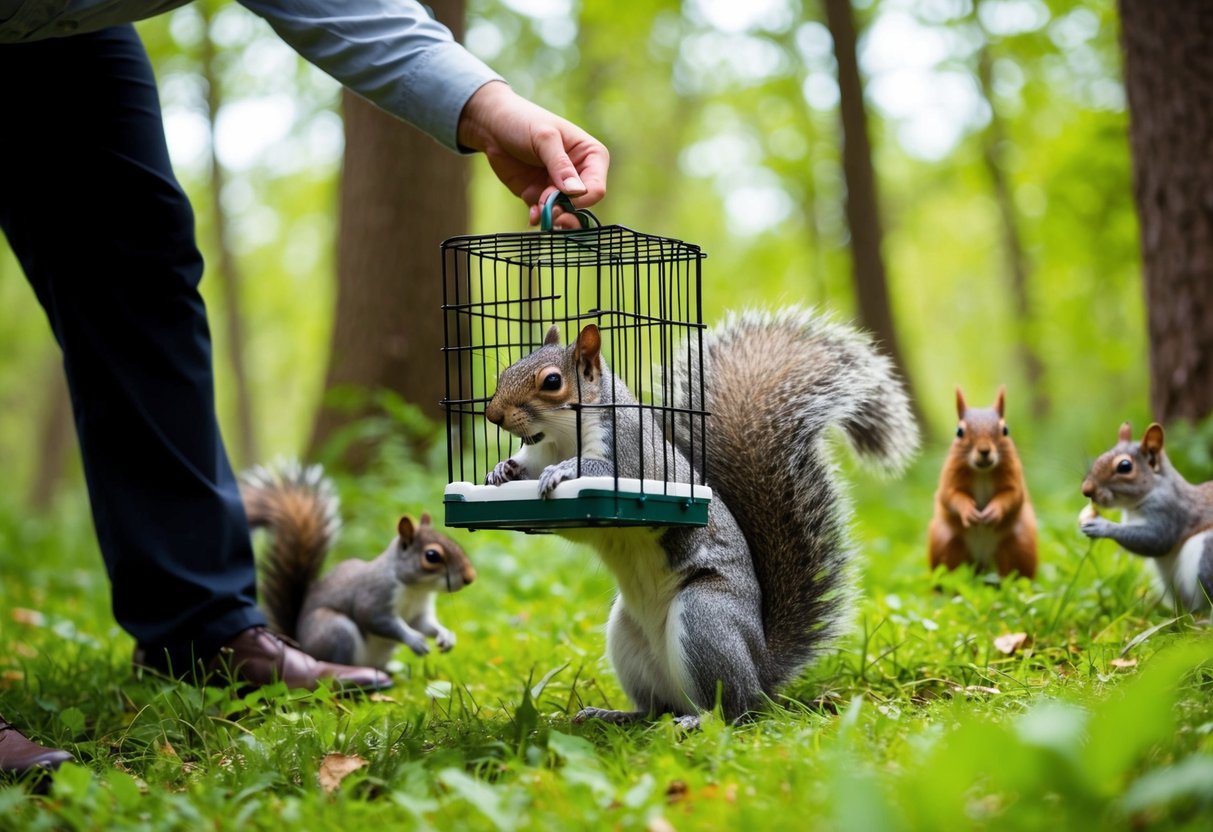
Grey squirrels are considered an invasive species, which affects how they are treated in wildlife rescue situations. Unlike the native red squirrel, grey squirrels are often not rehabilitated for release. Rescue centres have specific protocols to follow, and they can provide the best care for these animals while making sure they comply with the law.
When you encounter a grey squirrel that needs help, it’s important to contact professionals who can guide you. They will know the best steps to take and can inform you about local resources. Whether it’s helping an injured squirrel or understanding the rules, you play a key role in ensuring their safety.
Legal Status and Conservation Efforts

Managing grey squirrels is important for the protection of native species like the red squirrel. Understanding the legal framework and conservation efforts can help you navigate the complexities surrounding grey squirrels in the UK.
Protecting Red Squirrels
Red squirrels are a native species and are currently at risk due to habitat loss and competition from grey squirrels. The UK government has strategies in place to protect red squirrel populations, especially in areas where grey squirrels pose a threat. Conservation groups work to establish safe habitats, ensuring that red squirrels can thrive. Efforts include monitoring populations and culling grey squirrels in certain regions. You may hear about specific “red squirrel reserves,” which are areas where grey squirrel presence is controlled to support red squirrel recovery.
Schedule 9 and Its Implications
Under the Wildlife and Countryside Act 1981, grey squirrels are listed on Schedule 9, which means it is illegal to release them into the wild in the UK. This law aims to prevent further spread of grey squirrels, which can harm local wildlife. If you rescue a grey squirrel, releasing it without a license is against the law. Instead, you must seek approval from authorities or contact local wildlife services. Violating this law can lead to fines and legal consequences. It’s crucial to be aware of these regulations if you come across a grey squirrel needing help.
Role of Natural England and Wildlife Law
Natural England plays a key role in managing wildlife laws related to grey squirrels. They provide licenses for managing and dealing with grey squirrels under specific conditions. If you find an injured grey squirrel, contacting Natural England can guide you on the proper steps. Their guidelines help maintain balance in ecosystems while protecting both red and grey squirrels. In Wales, specific regional laws may further regulate grey squirrel management. Knowing these laws can help you act responsibly when encountering grey squirrels in your area.
Rescuing and Rehabilitating Grey Squirrels

When you come across a grey squirrel in need, knowing how to act is crucial. Whether it’s a baby squirrel in distress or an adult needing help, understanding proper rescue methods can make a significant difference.
Finding a Baby Squirrel
If you find a baby squirrel on the ground, it’s important to assess the situation first. Look for signs of injury or distress. If the baby appears healthy but is alone, it might have just fallen from its nest. Wait for a short while to see if the mother returns.
If you need to intervene, wear gloves to avoid transferring human scent. Place the baby in a small box with a warm towel. You can contact your local wildlife rescue or a related organization, like Help Wildlife, for guidance.
Ensure you don’t keep the baby squirrel longer than necessary. They require specialized care, so reaching out to a rescue center is essential.
Rescue Centres and Rehabilitation
In the UK, certain rescue centres are experienced in handling grey squirrels. These centres provide the necessary medical care and rehabilitation needed for recovery. When you take a squirrel to a rescue centre, they will assess its condition.
Rehabilitation typically includes a balanced diet to ensure the squirrel gets all essential nutrients. In some cases, baby squirrels may need to be hand-fed using specialized formulas.
Rehabilitators monitor the squirrels, preparing them for eventual release back into the wild. Remember that grey squirrels are considered an invasive species in the UK. It is illegal to release them without proper permission. Always follow the regulations when dealing with grey squirrels.
When Euthanasia Is Considered
In some cases, euthanasia may be considered. This decision is usually made if the squirrel is severely injured or suffering from an illness that cannot be treated.
It is never a light choice. Professionals make this decision based on the squirrel’s quality of life. If a squirrel has lost a limb or has serious health conditions, euthanasia may be a more humane option.
Before euthanasia is considered, rescuers will explore all avenues for treatment. Seeking advice from qualified veterinarians or experienced rescue staff is critical in such situations. Your responsibility is to ensure that the squirrel receives the best possible care.


