
You might spot squirrels darting and digging through the snow, even in the dead of winter. They don’t hibernate, so they stay busy all season. Mostly, they munch on nuts, seeds, and anything they stashed away last fall. When that runs low, they’ll grab whatever plant bits, bark, or fungi they can sniff out. Let’s get into what’s actually on the menu—and why squirrels go for these foods.

You’ll also see how squirrels stash their food, manage to find it under snow, and a few easy ways you can help them out (or, honestly, avoid overfeeding them). Curious about their survival tricks? Let’s check out how these little guys handle scarcity.
What Do Squirrels Eat in the Winter?

Most squirrels rely on fat-packed foods they hid in the fall. They’ll also grab a few fresh snacks if they find them. These choices keep their bodies warm and let them keep moving, even when it’s freezing.
Nuts and Seeds
Nuts and seeds are the real MVPs for squirrels in winter. You might catch red or fox squirrels digging up acorns, hickory nuts, or walnuts they buried earlier. These nuts give them lots of calories and healthy fats—exactly what they need to survive the cold.
You’ll also see them munching seeds from pine cones or sunflower heads. If you leave out unsalted peanuts or mixed nuts, fox squirrels often show up. Red squirrels get a bit territorial about seeds, especially near trees with lots of cones.
Tips:
- Keep nuts dry so they don’t spoil.
- Squirrels scatter their nut stashes in lots of spots, so if one gets raided, they’ve got backups.
Fruits and Vegetables
You won’t see tons of fresh fruit in winter, but squirrels don’t mind leftovers. They’ll eat apples, persimmons, or pears left on the ground. These fruits give them sugar and a bit of water when snow covers everything else.
Sometimes, squirrels go for frozen berries or even garden scraps like corn cobs. If you want to feed them, offer whole fruit—not processed stuff. Fruit helps with hydration and gives a quick energy kick, but it’s not enough by itself. Squirrels usually pair fruit with nuts for the fat they need.
Bark, Buds, and Fungi
When their food stores get low, squirrels get creative. They’ll chew on bark, nibble tree buds, or dig up fungi. You might catch them stripping bark from young twigs or snapping off buds from maples and birches. Red squirrels, in particular, eat more fungi and sometimes stash mushrooms for later.
Bark and buds don’t have much fat, but they give some protein and fiber. Fungi can offer vitamins and might be more reliable through the year in some places. Watching a squirrel dig up a mushroom or peel bark is a reminder—they’ll eat just about anything to get by.
If you want to dive deeper, there’s a detailed guide here: What squirrels eat in winter.
Winter Survival Strategies and Food Storage
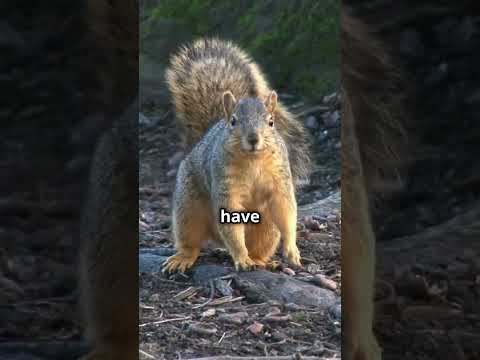
Squirrels don’t just hope for the best in winter. They get ready by hiding food, putting on body fat, and slowing down when it’s bitter cold. Let’s look at how they stash food, find it under snow, and which ones actually bother to hibernate (spoiler: not many).
Scatter Hoarding and Caching Behavior
Squirrels start collecting nuts, seeds, and other snacks in late summer and fall. They hide them in lots of little spots—scatter hoarding, it’s called. If a predator grabs one cache, the others are still safe. You’ll find nuts buried near roots, tucked under leaves, or wedged in tree bark.
They use memory and their noses to place caches in the same types of spots. Landmarks like rocks or tree trunks help them remember where to look. Sometimes, grey squirrels keep bigger stashes inside tree cavities—kind of like a pantry.
Want to help? Leave out unsalted nuts and keep feeders close to trees so squirrels can stash extras nearby.
Cached Food Retrieval in Snow
When snow covers everything, squirrels dig through crust and leaves to find their hidden snacks. They can smell nuts buried under several inches of snow. You’ll see them hunting more on warmer days when they need more energy.
Squirrels don’t waste energy. They make quick trips from their nests or hollows to grab what they need. Their hidden food becomes a lifeline when fresh seeds and insects disappear.
If you watch your yard in winter, look for little holes or scraped patches in the snow—those are squirrel dig sites. Oh, and skip de-icing salt near trees; it can mess up their food and harm nearby plants.
Hibernation Habits and Species Differences
Most tree squirrels—like eastern greys and fox squirrels—don’t actually hibernate. Instead, they stay active and depend on their caches and body fat.
You’ll still spot them on milder winter days, rummaging around for food or checking their hidden stashes. When storms roll in, they just sleep more and tuck themselves away in dreys or tree cavities.
Ground squirrels, prairie dogs, and a few marmots take a different approach. They hibernate for real, slipping into a deep torpor where their body temperature drops and they burn through their fat instead of making frequent trips to their food stores.
If you’ve got ground squirrels in your area, you probably won’t see them at all in the heart of winter. They pop back out in spring, ready to munch on whatever’s fresh and green.
It’s worth getting to know your local squirrel species if you’re curious about what to expect. Tree-dwellers stick around and forage through winter, but ground hibernators just disappear until things warm up again.
For more on how squirrels stash their food, take a look at their food storage techniques.


