
You can give a squirrel a grape, but take it easy—just a little, and not too often. Grapes offer quick bursts of energy and hydration, but if squirrels eat too many, they might end up with a sore stomach or get chubby.

If you want to feed wildlife without causing trouble, you’ll want to know what to watch out for. I’ll show you which grape parts to skip and suggest better snacks that still bring squirrels to your yard.
Let’s dive into some practical tips to keep both the critters and your garden in good shape.
Is It Safe for Squirrels to Eat Grapes?
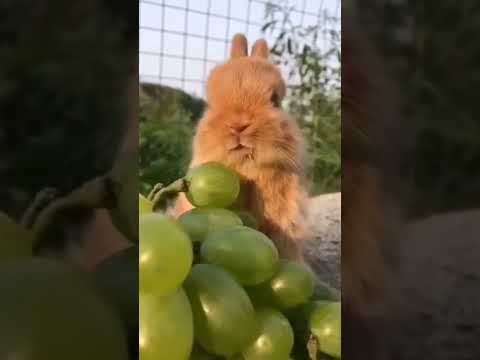
Grapes give squirrels a quick energy boost, but they’re pretty sugary. Before you offer grapes to wild or pet squirrels, you should weigh the small perks against the real risks.
Can Squirrels Eat Grapes?
Yes, squirrels can eat grapes. Wild and pet squirrels munch on fruit now and then, and grapes aren’t toxic like some foods out there.
Grapes provide water, natural sugars, and a bit of vitamins. Still, you should only offer grapes as a rare treat.
Squirrels thrive on a diet of nuts, seeds, and what they forage. If you hand out grapes too often, all that sugar can push out healthier foods and mess with their long-term health.
If you have a pet squirrel, check with a wildlife rehabber or vet first. They’ll help you figure out what’s safe for your squirrel’s age or health.
Risks of Feeding Grapes to Squirrels
The sugar in grapes is the main problem for squirrels. Too much sugar can lead to weight gain, dental trouble, and upset tummies.
Young, old, or sick squirrels have a harder time handling sugary treats. Large grapes might choke a squirrel, and seeds could irritate their insides.
Moldy grapes can poison squirrels, so toss out any that look soft or fuzzy. Feeding wild squirrels can also change how they act around people.
When squirrels get used to handouts, they might crowd together, spread disease, or get a bit too bold.
Safe Serving Sizes and Preparation
Stick to tiny servings. One or two small grapes, or a few halves, once or twice a week is plenty for an adult squirrel.
Skip grapes for baby squirrels unless a pro says it’s okay. Wash grapes well, pull off the stems, and cut them up.
Take out the seeds to lower choking risk. Don’t add sugar, salt, or any processed toppings.
Feed them in a clean spot, and don’t leave grapes out overnight. Toss any leftovers to keep away mold and pests.
If you’re feeding more than one squirrel, split up the treats so nobody overeats.
How Squirrels React to Grapes
Most squirrels gobble up grapes and seem to love the sweet flavor. You might catch them peeling the skin or holding grapes with their paws.
Sometimes, squirrels get an upset stomach from new foods. Watch for diarrhea, sleepiness, or a lack of appetite in the day or two after they eat grapes.
If your pet squirrel acts off, call a vet. Wild squirrels who get treats might start approaching people more.
That’s cute at first, but it can lead to bites, disease, or squirrels depending on human snacks.
Healthy Feeding Practices and Alternatives

Keep treats small. Wash all fruits to get rid of pesticides.
Offer mostly nuts, seeds, and fresh greens. Watch how each squirrel reacts and keep sugary snacks rare to avoid weight and dental problems.
Nutritional Value of Grapes for Squirrels
Grapes give squirrels a quick burst of energy thanks to their sugar. A few grapes can be fine as a treat, but squirrels need fats and proteins every day.
Too many grapes can lead to weight gain, dental issues, and stomach aches. For smaller squirrels, cut grapes in half to make them safer.
Always wash grapes before feeding to remove any pesticides. Use grapes as a rare snack—think just a couple pieces per squirrel, not every day.
Watch how squirrels act after eating grapes. If you notice diarrhea, sleepiness, or changes in appetite, stop giving grapes and try something safer.
Alternatives to Grapes for Squirrels
Try unsalted nuts like walnuts, pecans, or hazelnuts. These give squirrels healthy fats and protein for energy and shiny fur.
If you’re feeding small or young squirrels, take off the shells. Fresh veggies and fruits that are lower in sugar—like apple slices (without seeds), pears, or carrots—work well too.
Pumpkin seeds and sunflower seeds add fiber and minerals. Skip processed snacks, bread, or sweets.
You can also plant trees and shrubs like oak, hickory, and other nut-bearing bushes. This lets squirrels find natural food and keeps them from relying on handouts.
Balancing Grapes with Commercial Squirrel Food
Commercial squirrel mixes usually come packed with grains, seeds, and dried veggies. These give squirrels way more nutrition than just tossing them fruit.
Go for high-quality blends—skip anything with added sugars, salts, or weird fillers. You really don’t want to feed them junk.
Try using grapes as a tiny part of a meal. Maybe mix in one or two halved grapes with their commercial food every so often. Just don’t let treats crowd out the good stuff; a teaspoon of fruit per feeding works fine for small groups.
Keep commercial food in a dry, sealed container. That’ll help it stay fresh and keep pests away.
Change things up for the squirrels. Offer nuts and the commercial mix one day, then veggies the next, and save grapes for a rare treat. Keeps things interesting, right?


