
Cocker Spaniel puppies are lively and full of energy, making exercise a big part of their daily routine. Many new puppy owners wonder about the right amount of walking for their furry friends. You can over walk a Cocker Spaniel puppy, especially since they are prone to health issues like joint problems.

Finding the perfect balance in exercise is important. While it’s essential to keep your puppy active, too much walking can lead to fatigue and potential injuries. Understanding your puppy’s needs and limits will help ensure a happy and healthy development as they grow.
If you’re unsure about how much exercise is right for your Cocker Spaniel puppy, this guide will help you learn the best practices. You’ll discover how to keep your puppy fit without overdoing it, ensuring a joyful experience for both of you.
Understanding Cocker Spaniel Puppies

Cocker Spaniel puppies are energetic and playful. Knowing their development stages, energy levels, and signs of overexertion is important for their health and happiness.
Physical Maturity and Development
Cocker Spaniel puppies grow quickly during their first year. By around 12 months, they reach physical maturity, and you can start exercising them like an adult dog. Until then, it’s crucial not to overdo things with exercise.
Overexertion can lead to joint problems, especially in growing pups. Focus on gentle walks and light play. Avoid high-impact activities like jumping or running on hard surfaces. Keeping their activity level appropriate during this developmental stage helps maintain their overall health.
Energy Level and Stamina
These puppies are known for their lively and friendly nature. Cocker Spaniels usually have high energy levels and require regular exercise. They thrive on activities that stimulate them both physically and mentally.
Because of their stamina, you might wonder how much exercise is too much. A general guideline is 5 minutes of exercise for each month of age. For example, a 4-month-old puppy should walk for about 20 minutes. Adjusting based on your puppy’s energy levels is key. Each dog is unique, so pay attention to how they respond to exercise.
Recognizing Overexertion Signs
It’s essential to watch for signs that your Cocker Spaniel puppy may be overdoing it. Common symptoms include limping, excessive panting, and fatigue. If your puppy lays down or refuses to continue playing, it could be a sign they are tired.
Other signs might include lagging behind during walks or reluctance to engage in activities they usually enjoy. Always let your puppy rest and recover after exercise. Monitoring these signs will help you avoid injuries and support a happy, healthy puppy.
Exercise Requirements and Routine

Finding the right balance in your Cocker Spaniel puppy’s exercise routine is key to their health and happiness. It’s important to mix physical activities with play and mental challenges. This keeps your puppy engaged and supports their overall well-being.
Creating a Balanced Exercise Routine
When planning your puppy’s exercise routine, aim for short walks that gradually increase in length. Start with 5 to 10 minutes, two to three times a day. As your puppy grows, you can slowly extend these walks.
A good rule of thumb is 5 minutes of exercise for every month of age. For example, a 4-month-old puppy should walk for about 20 minutes. Keep in mind that puppies tire easily, so keep sessions brief to avoid fatigue and injury.
The Role of Play and Training Sessions
Incorporating play into your puppy’s routine is essential. Activities like fetch or tug-of-war can be both fun and physically stimulating. Aim for at least one play session a day.
Training sessions are just as important. Spend 5 to 10 minutes teaching commands like sit, stay, or come. This not only helps with obedience but also strengthens your bond. Mixing training with play makes learning enjoyable for your puppy.
Incorporating Mental Stimulation
Mental stimulation is a crucial part of your puppy’s exercise needs. Use puzzle toys that challenge their problem-solving skills. These toys keep their minds busy and help prevent boredom.
Another great idea is to hide treats around your home or yard. Encourage your puppy to sniff them out. This gives them a fun way to engage their brain while remaining active.
Combining physical and mental activities will keep your Cocker Spaniel puppy happy and healthy while meeting their exercise requirements.
Health Concerns and Monitoring
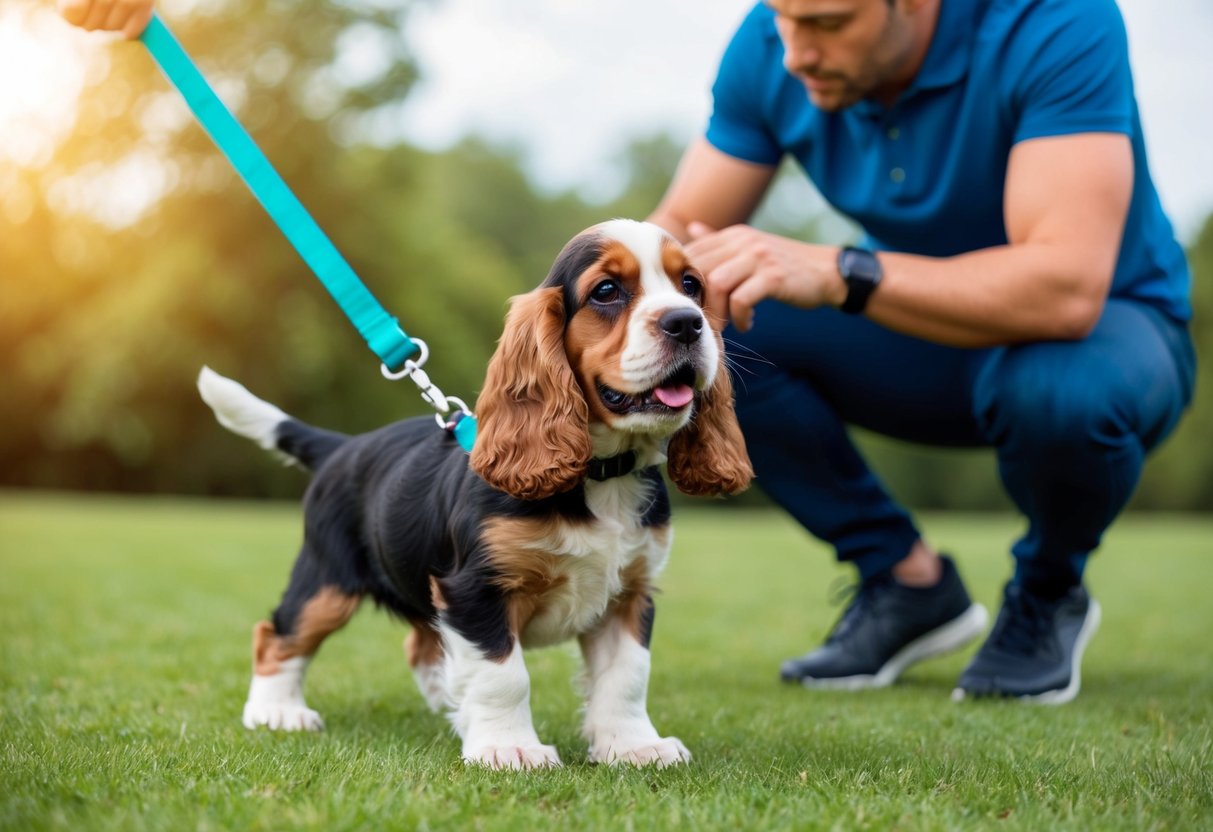
When caring for your Cocker Spaniel puppy, it’s essential to keep an eye on their health as they exercise. Certain concerns can arise from too much walking. You’ll want to prevent joint problems, stay alert for signs of heatstroke, and know when to consult your veterinarian.
Preventing Joint Problems and Hip Dysplasia
Cocker Spaniels are prone to joint issues, especially hip dysplasia. To help prevent these problems, you should limit strenuous activities. Instead of long walks, try shorter play sessions throughout the day.
Look for signs of discomfort after exercise, like limping or reluctance to play. Use joint supplements recommended by your vet to support healthy development. Keeping your puppy at a healthy weight is also crucial, as extra pounds can stress their joints even more.
Avoiding Heatstroke and Dehydration
Dogs can easily suffer from heatstroke and dehydration, especially during exercise. Always schedule walks during the cooler times of the day. If it’s hot outside, limit your walking distance or choose a shady area.
Make sure your puppy has access to fresh water before, during, and after their walks. Watch for symptoms of heatstroke, such as excessive panting, drooling, or lethargy. If you notice these signs, take immediate action to cool your puppy down by moving them to a cooler area and offering water.
Consulting with a Veterinarian
Regular check-ups with your veterinarian are essential for your Cocker Spaniel’s health. Your vet can monitor for any developing joint issues and offer advice on exercise routines that suit your puppy’s age and size.
If you’re unsure about how much exercise is safe, don’t hesitate to ask. A vet can recommend specific activities and potential signs of trouble. Keeping an open line of communication with your veterinarian will ensure your puppy stays healthy and happy.
Practical Tips for Exercising Your Puppy

Exercising your Cocker Spaniel puppy is essential for their development and happiness. Proper activity helps them grow strong and prevents health issues. Here are some practical tips to guide you.
Daily Walks and Physical Activity
Daily walks are vital for your puppy’s physical health. Aim for short, gentle walks that are suitable for their age. For puppies under a year, start with 10 to 15 minutes a couple of times a day. You can slowly increase the time as they grow. Ensure these walks happen on soft surfaces to prevent any joint stress.
In addition to walks, engage your puppy in fun activities. Play fetch in a safe area or use soft toys for gentle tug-of-war. Puppies also enjoy exploring their surroundings. This combination of activities keeps your puppy active without overdoing it.
Monitoring Puppy Exercise
Always observe how your puppy responds during and after exercise. Look for signs of fatigue or discomfort, such as lagging behind or excessive panting. If you notice these signs, it’s important to cut the activity short.
Keep track of your puppy’s activity levels each day. Set a routine that includes varied activities to keep them interested but not exhausted. Remember, the goal is to create a balance that maintains your puppy’s health while preventing injuries.
Caring for an Adult Cocker Spaniel
As your puppy becomes an adult Cocker Spaniel, their exercise needs change. Healthy adult dogs generally need about 60 to 90 minutes of exercise each day. This can be split into two or three walks, plus playtime.
Dogs love to explore. Take them on different routes or to parks where they can interact with other dogs. Regular activity helps maintain a healthy weight and supports their mental well-being. Always ensure you provide ample fresh water after exercise to keep them hydrated.
With proper care and exercise, your Cocker Spaniel will thrive. Keep it fun and safe to help them enjoy their active life!


