
If you have a Cocker Spaniel, you might wonder why they sometimes pee in the house. The main reasons include excitement, anxiety, or improper house training. Don’t worry; this issue is common among dogs, especially if they are young or have not been trained well.
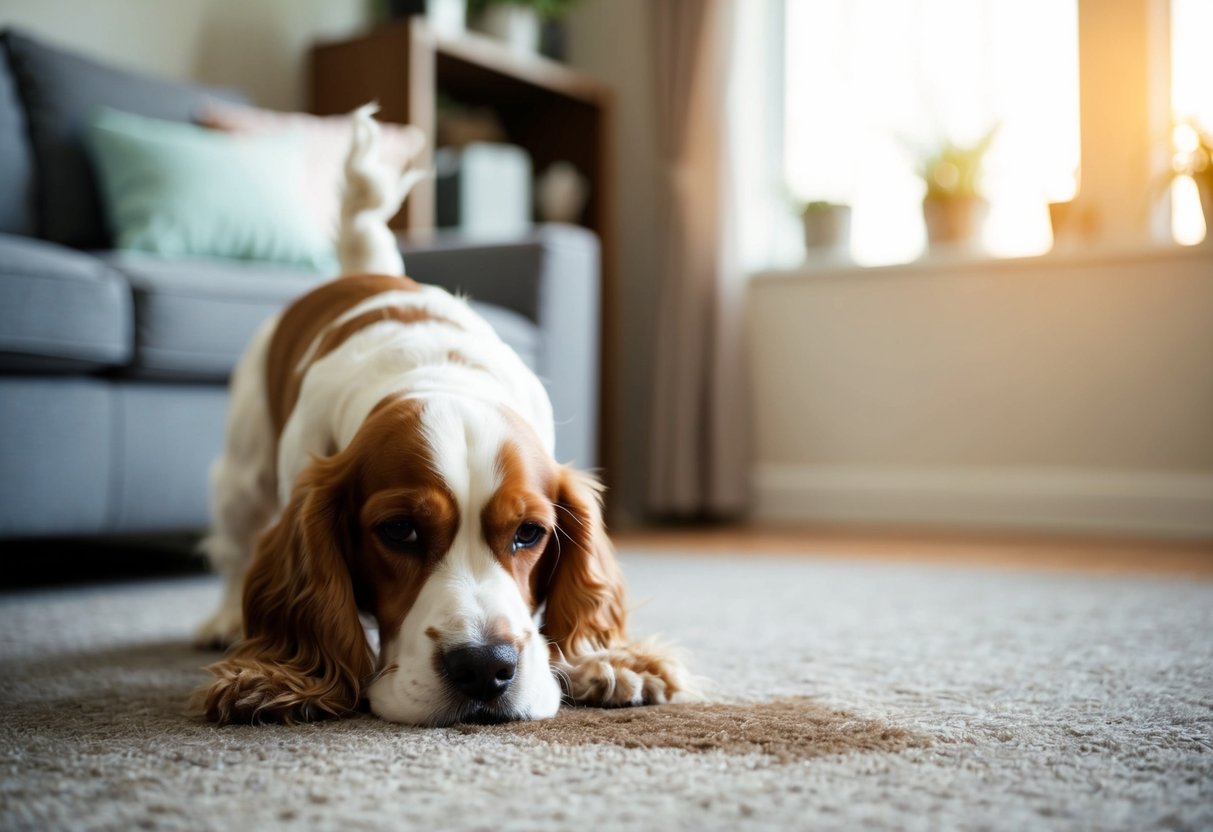
Understanding your dog’s behavior can help you address the problem effectively. Cocker Spaniels are known for their friendly and loving nature, but they can also be sensitive. Knowing when and why they might have accidents indoors can lead to better training techniques that work for your furry friend.
By learning how to manage these situations, you can enjoy a cleaner home and a happier pet. Keep reading to discover practical tips and insights that can help you reduce indoor accidents and strengthen your bond with your Cocker Spaniel.
Understanding Cocker Spaniel Behavior

Cocker Spaniels have unique behaviors and needs that can impact their habits at home. By understanding their temperament and training methods, you can help them adjust better and reduce accidents indoors.
The Cocker Spaniel Temperament
Cocker Spaniels are known for being friendly, amiable, and eager to please. They thrive on human interaction, which makes them excellent companions. Your dog’s behavior can be affected by their mood and stress levels. If they feel anxious or neglected, this may lead to undesirable actions, such as peeing in the house.
Understanding your Cocker Spaniel’s temperament is vital. They require regular social interaction, and being left alone for long periods can cause distress. This stress can lead to confusion about house training. Consider working with a behaviorist if your dog shows signs of anxiety.
Training and Consistency
Training is essential for a successful relationship with your Cocker Spaniel. Using positive reinforcement, such as treats and praise, encourages good behavior. Consistency in training routines helps your dog learn what is acceptable.
Set a clear expectation during house training. Take your dog outside frequently, especially after eating or drinking. When they go potty outside, reward them immediately. This reinforces the behavior you want.
Regular training sessions, even for just a few minutes daily, build your dog’s understanding of commands and routines. Ensure all family members follow the same training methods to avoid confusion.
Routine and Exercise Needs
Cocker Spaniels need a structured routine to thrive. Regular feeding, potty breaks, and exercise are crucial. These dogs are active and playful; daily walks and playtime will keep them physically fit and happy.
A lack of exercise can lead to boredom and anxiety, which may increase the likelihood of indoor accidents. Aim for at least 30 minutes to an hour of exercise daily. This can include walks, fetch, or even training games that provide mental stimulation.
Establish a routine that includes scheduled potty breaks. This helps your Cocker Spaniel learn when and where it’s appropriate to go. A consistent daily schedule can make house training much easier.
House Training Your Cocker Spaniel
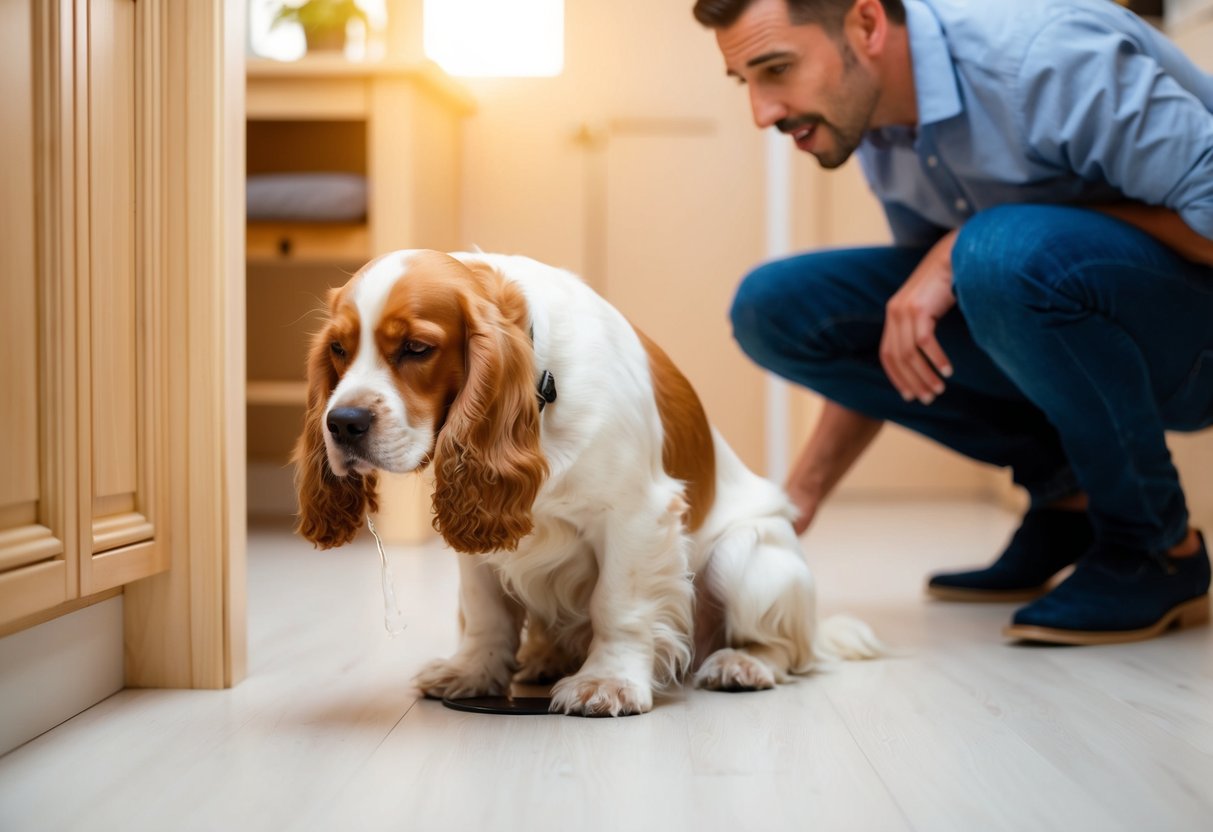
House training your Cocker Spaniel requires patience, consistency, and some useful strategies. By understanding the basics of potty training, preventing accidents, and using crate training effectively, you can help your pup learn the right habits.
The Basics of Potty Training
Start potty training your Cocker Spaniel when they are still a puppy. Begin by establishing a routine. Take your puppy outside for potty breaks every 1-2 hours, especially after eating, drinking, or playing.
When they do their business outside, give them praise or a treat to reinforce the behavior. Always use a specific phrase like “go potty” when you take them out. This helps them connect the words with the action.
Be patient, as accidents will happen. If you catch them in the act inside, gently take them outside without punishment. This teaches them they should go outside. Consistency is key during this process.
Preventing Accidents
To prevent accidents indoors, keep a close eye on your Cocker Spaniel. Supervision is essential, especially when they are learning. If you cannot supervise them, consider using potty pads as a temporary solution.
Limit their access to certain areas of your home to avoid accidents. If you notice signs of needing to go, like sniffing or circling, take them outside immediately.
Help your pup by sticking to a feeding schedule. This way, you can predict when they will need to go out. The more you stick to the routine, the fewer accidents will occur.
Crate Training and Supervision
Crate training can be a helpful tool for house training. Use a crate to provide a safe and comfortable space for your Cocker Spaniel. Make it a positive experience by adding toys and a cozy blanket.
Ensure the crate is not too big; it should be just enough for them to stand up and turn around. This encourages them to hold it until they are let outside.
While using a crate, be sure to give your pup regular potty breaks. Don’t leave them in the crate for long periods. This balance makes crate training effective and keeps your Cocker Spaniel happy.
Medical and Behavioral Issues
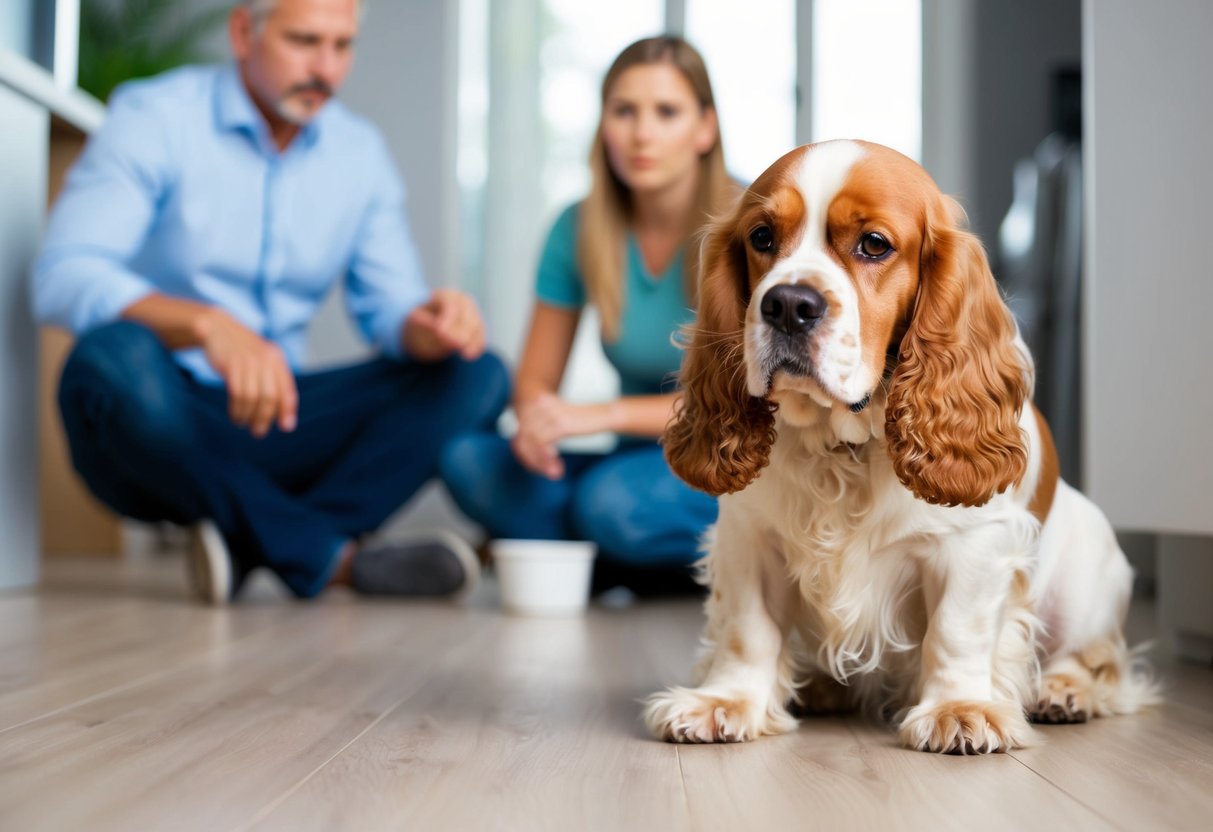
When your Cocker Spaniel is peeing in the house, it can be due to medical or behavioral factors. Understanding these issues is crucial for finding the right approach to help your pet.
Identifying Health Problems
First, consider potential medical issues. Common health problems causing inappropriate urination include urinary tract infections and bladder infections. If your dog is peeing more frequently or seems uncomfortable, it’s vital to consult a veterinarian. They can conduct tests to rule out infections or other health concerns.
Kidney disease is another possible reason for increased urination. This condition is common in older dogs but can appear in younger pets as well. Pay attention to other signs like excessive thirst or weight changes. Catching these problems early can make a big difference in your dog’s health.
Behavioral Causes of House Soiling
Behavioral factors can also lead to urination indoors. One common reason is separation anxiety. If your Cocker Spaniel feels stressed when you leave, they might urinate as a way to cope.
Submissive urination is another behavior where dogs pee when they feel scared or excited. This often happens during greetings or while meeting new people. Excited urination can occur when your dog gets overly thrilled.
Some dogs may mark their territory by urinating in the house, especially if they sense other pets around. Training helps manage these behaviors. Consistent commands and positive reinforcement can lead to improvement over time.
When to Seek Professional Help
If you notice patterns in your dog’s urination, it may be time to seek professional help. Firstly, visit your veterinarian to rule out any underlying medical issues. They can check for infections or kidney problems that may need treatment.
If health concerns are ruled out, consider working with a professional dog trainer. They can provide guidance tailored to your dog’s specific behavior. You might find that a combination of training and environmental adjustments is the best approach.
Cleaning and Managing Accidents
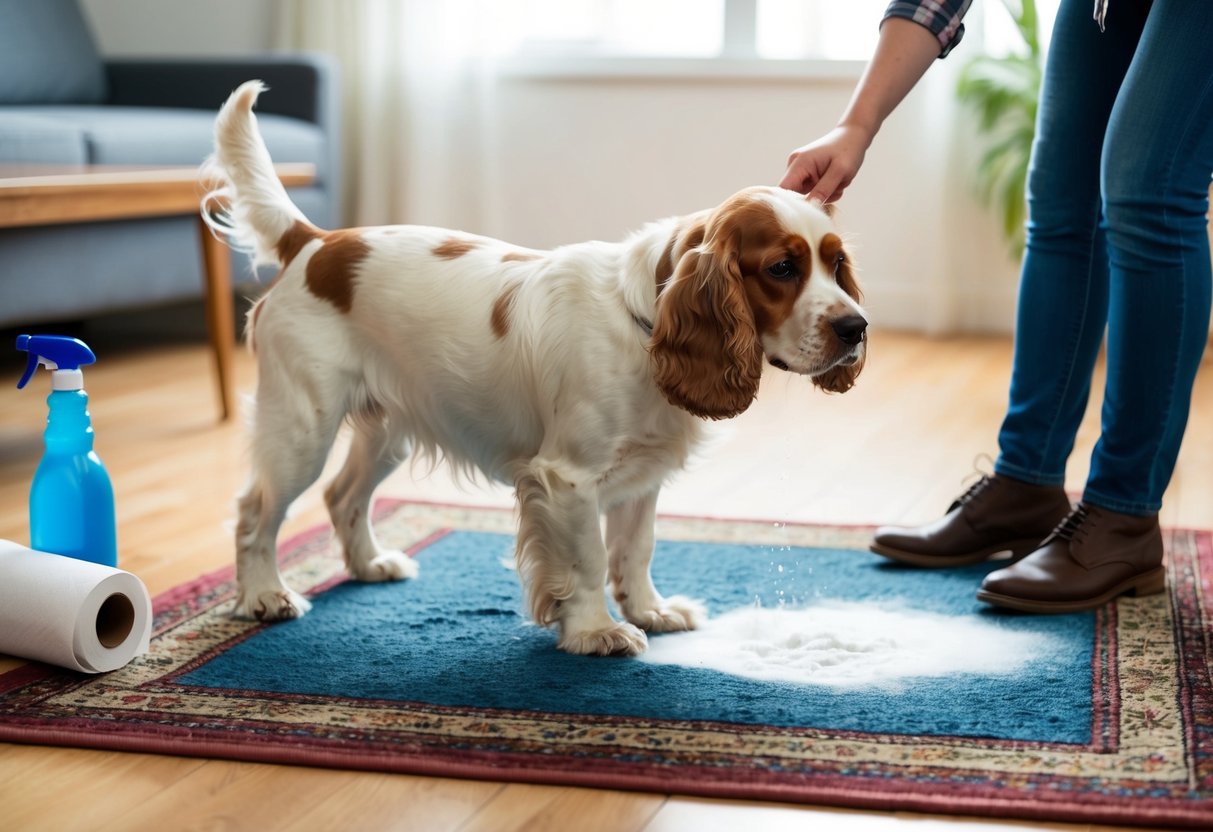
When your Cocker Spaniel has an accident indoors, it’s important to address it quickly and effectively. Proper cleaning and management can help minimize repeated incidents and keep your home fresh. Here’s how you can tackle accidents that happen inside.
Effective Cleaning Solutions
To clean up after an accident, you need to act fast. First, blot the area with paper towels to absorb as much urine as possible. Avoid scrubbing, as this can spread the mess.
Next, use a cleaning solution specifically designed for pet accidents. An enzymatic cleaner is ideal since it breaks down the proteins in urine, helping to eliminate odors. You can also create a mixture of white vinegar and water to neutralize the smell.
Make sure to rinse the area with clean water after using any cleaning solution to avoid any residue.
Neutralizing Urine Odor
Urine odor can linger and attract your Cocker Spaniel back to the same spot. To neutralize it effectively, an enzyme cleaner works best. Spray the affected area generously and let it sit for at least 10-15 minutes.
This gives the enzymes time to break down the odor-causing substances. After that, blot the area again with paper towels.
If you prefer a DIY approach, mix equal parts of water and white vinegar to help eliminate the smell. Remember, never use ammonia-based cleaners as they may mimic the scent of urine and encourage further accidents.
Preventive Measures
To prevent your Cocker Spaniel from urinating indoors, consider a few strategies.
First, establish a regular schedule for bathroom breaks. Take your dog outside frequently, especially after meals or playtime.
If your dog is still having accidents, using belly bands can be helpful. These are wraps that prevent urine from reaching your floors.
Additionally, neutering your dog may reduce signs of marking behavior.
With patience and consistency, you’ll help your Cocker Spaniel learn where to go.


