
You can absolutely keep a seahorse, but honestly, it takes some real planning and ongoing care if you want to do it right. If you’re thinking about getting a pet seahorse, you’ll need to set up a proper saltwater tank, check your local laws, and stay on top of daily feedings and water checks.
This article covers the species people usually keep, what rules might trip you up, and where you can actually find healthy seahorses.

You’ll find practical tips for setting up a tank, feeding routines, and basic health checks. That way, you can figure out if a seahorse really fits your life.
Curious about the cost, legal stuff, or how much time it really takes? Stick around—the next sections break it all down into straightforward, useful info.
Can You Get Pet Sea Horses? Species, Legality, and Availability
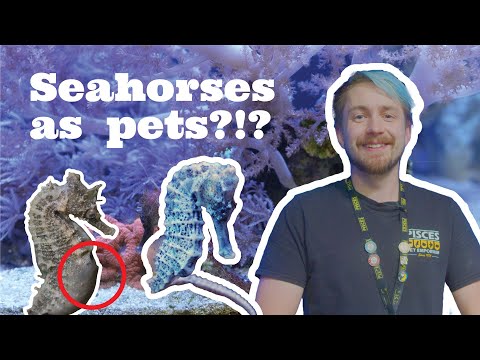
You can keep seahorses, but you’ve got to pick the right species, follow your local rules, and, honestly, captive-bred animals are the way to go. Some species are a lot easier to care for, some need permits, and wild-caught seahorses bring up both legal and ethical issues.
Popular Pet Seahorse Species
Most hobbyists end up with dwarf or lined seahorses. The dwarf seahorse (Hippocampus zosterae) is tiny and fits well in small tanks, but it needs calm water and frequent small meals.
The lined seahorse (Hippocampus erectus)—sometimes called the northern seahorse—is bigger and can handle cooler water. Both of these pop up in the hobby a lot and breeders often raise them in captivity.
You might also see Barbour’s seahorse or tiger tail seahorse for sale, but they’re less common and need more specialized setups. Always double-check the species and size before you buy, since care needs shift as they grow.
Legal Considerations and Ethical Sourcing
Laws change depending on where you live. Some places let you own seahorses without a permit, but others restrict them or even ban sales.
International trade falls under CITES for certain species, so that can affect imports and exports. Before buying, call your state wildlife agency or local fish and wildlife office to make sure you’re in the clear.
Ethical sourcing matters—a lot. Ask sellers for proof that the seahorses are captive-bred and healthy.
If a seller can’t show you paperwork, there’s a good chance the animal’s wild-caught, so check legal permissions carefully.
Captive-Bred vs. Wild-Caught Seahorses
Go for captive-bred seahorses whenever possible. They adjust better to tanks, usually come parasite-free, and don’t put extra pressure on wild populations.
Breeders can also give you care tips and documentation that help with legal stuff.
Wild-caught seahorses sometimes cost less, but they often don’t do as well and might be illegal to own or sell. They can bring in diseases and usually need longer quarantine.
If you’re considering a wild-caught one, demand proof it was collected legally and know you’ll probably have a tougher time keeping it healthy.
How to Care for Pet Sea Horses: Setup, Feeding, and Health
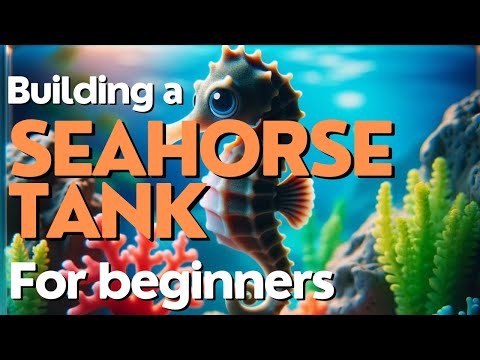
You’ll need a stable tank, regular small meals, and to keep a close eye on both the water and your seahorses’ behavior. The right tank decor, compatible tank mates, and a disease prevention plan all help keep them healthy.
Seahorse Aquarium Requirements
Pick at least a 30-gallon tank for a pair, and add 10 gallons for each extra pair. Aim for specific gravity between 1.021–1.025 (28–32 ppt), pH 8.1–8.4, and keep the temperature around 75–80°F.
Use a heater and a good thermometer—check the temp every day.
Set up gentle filtration that turns the water over about four times an hour. Skip strong currents.
Give them plenty of hitching posts—soft fake plants, macroalgae, or even ropes work so they can grab on with their tails.
Stay away from sharp decorations or anything metal that could hurt or stress them.
Test the water weekly for ammonia, nitrite, nitrate, pH, and salinity. Do partial water changes of 20–25% every 2–4 weeks, or sooner if the water quality slips.
Top off evaporated water to keep salinity steady.
Feeding and Nutrition for Seahorses
Feed mostly thawed frozen mysis shrimp. Give small, frequent meals—two or three times a day is best.
Mysis shrimp have the nutrients seahorses need and work for most home setups.
Try hand feeding, a feeding station, or targeted free feeding so your slow-moving seahorses can actually get their food. Thaw frozen food completely in clean saltwater and never refreeze it.
You can offer brine shrimp for variety, but they’re not very nutritious—save them as an occasional treat, especially for young seahorses.
Pay attention to feeding behavior. If one misses meals, try hand feeding with tweezers or a turkey baster at a feeding station.
Keep track of how much each seahorse eats so you notice appetite changes early.
Tank Mates and Social Behavior
Keep seahorses in pairs at minimum; they’re social and do better with a buddy.
When picking tank mates, stick to slow, peaceful species—some gobies or snails work—so they don’t get outcompeted for food.
Avoid fast or aggressive fish that might steal food or bother your seahorses.
Quarantine new fish for 2–4 weeks before adding them to the main tank to cut down on disease risk.
Add tank mates gradually and in small groups.
Watch how they all get along every day. If you see aggression or a seahorse stops eating, pull the troublemaker out.
Set up multiple feeding stations to keep things chill and reduce competition.
Health, Water Quality, and Disease Prevention
Take a close look at your seahorses for any signs that something’s off—maybe they’re not eating much, breathing faster than usual, changing color, developing odd lesions, floating around, or struggling to hitch. If you notice severe symptoms, go ahead and reach out to an aquatic vet.
Keep disease at bay by making sure the water stays stable and clean. Test the water every week, and swap out a portion if things start to slip.
I always recommend wearing gloves when you’re handling anything in the tank. It just helps cut down on the chance of spreading germs or bringing in something unwanted.
Stay alert for issues like bacterial or fungal infections, parasites (inside or out), gas bubble disease, or injuries. It’s smart to have a first-aid kit ready—think aquarium salt, a couple of clean nets, and a separate quarantine tank for sick or new seahorses.
Looking for more detailed setup info? You might want to check out a practical seahorse tank guide that goes into tank size, filtration, and decor.


