
It might sound odd, but seahorses don’t have a true stomach. They gulp down tiny prey whole and send it straight into a short, fast-moving gut that needs to process food almost nonstop. Because of this, they eat lots of small meals all day just to keep their energy up.
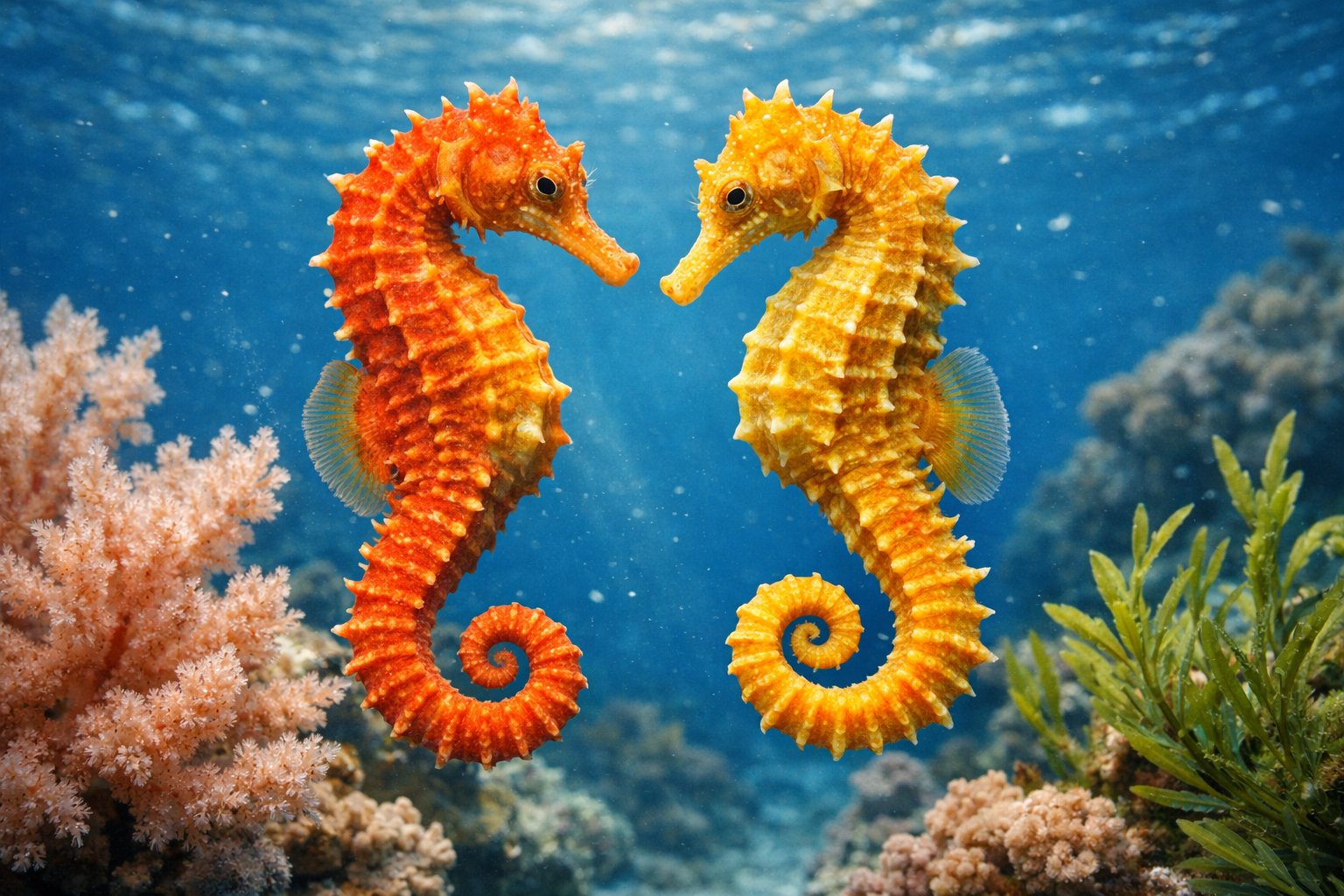
Let’s get into how their tube-like snouts, quick suction feeding, and efficient intestines help them survive without a stomach. You’ll see what seahorses eat, why they’re such frequent feeders, and how these quirks shape their lives.
Do Seahorses Have Stomachs?
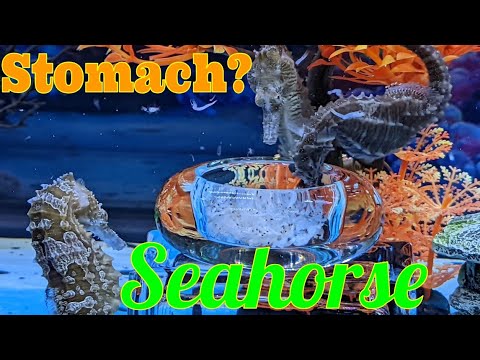
Seahorses belong to the genus Hippocampus, and they don’t have a true stomach. That changes how they eat, how often they need to feed, and how their guts handle meals.
How Seahorses Digest Food
Seahorses use their long, tube-like snout to swallow prey whole. You’ll spot them slurping up tiny crustaceans like copepods and shrimp larvae.
Their mouth and esophagus shove food quickly into a straight digestive tube. Without a stomach, chemical breakdown starts a bit later.
The intestine releases enzymes and grabs nutrients fast. Food shoots through quicker than in fish with a stomach, so digestion is speedy and doesn’t offer much storage.
If you keep seahorses, you’ll end up feeding them many small meals a day. Out in the wild, they eat almost all the time when prey is around.
Their energy needs stay high because they can’t hang onto a meal for long.
Why Seahorses Lack a Stomach
Think of the seahorse gut as a slim, muscular pipeline—not a storage sack. Evolution seems to have favored a simple gut in Hippocampus, probably because their prey is tiny and easy to swallow.
A stomach would just add weight and slow them down. Not having a stomach means they don’t need to produce strong acids or grow complex stomach tissues.
That fits their slow swimming and ambush hunting style. Their bodies stay light and flexible, perfect for clinging to seagrass and floating upright.
But here’s the catch—no stomach means they’re at risk if food runs low. Habitat loss or fewer plankton can quickly hurt populations that need steady, tiny meals.
Comparison to Other Fish
Most fish have a stomach to store and break down food over time. Predatory fish, for example, gulp bigger prey and use stomach acids to start digestion.
Those fish can go longer between meals than seahorses. A few other small fish, like some wrasses, also skip the stomach.
In those cases, the intestine does all the heavy lifting. The result is similar: they eat more often and need lots of tiny prey.
If you care for seahorses, keep this in mind. Their diet and tank setup have to match their need for constant food, unlike fish with stomachs that can wait longer between meals.
Feeding and Digestive Adaptations in Seahorses

Seahorses use their precise mouthparts to eat tiny crustaceans like brine shrimp and planktonic copepods. They digest food super fast because there’s no stomach in the way.
You’ll notice how they hunt, what they eat, and how their gut keeps up with their quick metabolism.
Suction Feeding Explained
Seahorses rely on their tubular snout for suction feeding. A quick head flick creates negative pressure, yanking prey right into the mouth.
This snap happens in just milliseconds. Timing is everything when you watch them hunt.
Their eyes move separately, so they can track prey while barely moving their bodies. They wrap their tails around seaweed or something sturdy to keep steady, making suction work without needing to chase.
And since they don’t have teeth, they swallow prey whole. Suction works best on slow, small prey that’s close by.
If you’re feeding seahorses in a tank, offer copepods or brine shrimp near their snout to get that feeding response. Precision beats speed every time.
The Role of Diet: Brine Shrimp and Copepods
Tiny crustaceans make up most of a seahorse’s diet. Brine shrimp and planktonic copepods are their usual meals, both in the wild and in tanks.
These prey fit their snout and go down in one gulp. Brine shrimp give them calories and are easy to use in aquariums since they swim where seahorses hunt.
Copepods are the go-to in seagrass and mangrove areas, providing the protein and fats seahorses need. If prey is small and not very filling, they need to eat even more often.
Offer live or enriched frozen brine shrimp to keep captive seahorses healthy. If you only use still food, they might ignore it.
Mixing up their diet helps cover vitamins and minerals.
Rapid Digestion in Seahorses
Seahorses push food quickly from the esophagus right into the intestine. You should expect digestion to happen fast compared to fish with stomachs.
The intestine handles enzymes and absorbs nutrients at a rapid pace. Because their gut can’t store food, you’ll need to feed them often if you’re caring for them.
They eat lots of small meals, not a few big ones. Fast digestion makes them more vulnerable if food quality drops or prey gets scarce.
If wild copepod numbers fall, seahorses can starve sooner than animals that store meals in a stomach. For those in tanks, a steady feeding schedule is pretty much essential.
Eating Habits and Metabolism
Seahorses actually have a pretty high metabolism for their size, so you’ll catch them feeding almost all the time. Juveniles, especially, seem to eat dozens or even hundreds of times a day as they grow.
Adults still need a steady stream of food to keep up their energy, even if they aren’t growing as fast.
They move slowly—it’s their way of saving energy. Instead of chasing prey, seahorses usually hunt by ambush.
You’ll see them using their prehensile tails to anchor themselves in the currents. It lets them wait patiently for copepods or brine shrimp to drift close enough.
Temperature plays a big role here. Warmer water bumps up their metabolism and makes them eat more often.
If you’re keeping seahorses, you’ll want to adjust how much and what you feed them when the water temperature changes. Honestly, just watching how much they eat will tell you a lot about their health.


