
Most people picture squirrels darting around parks in Europe or North America, but Africa actually has a surprising variety of its own. Yep — you’ll find both tree and ground squirrels here, from tiny forest species to the famous Cape ground squirrel in the dry southern regions.

If you wander along a forest trail or just watch the savanna scrub, you might spot a quick flash of fur, a twitching tail, or a clever little digger at work.
This article explores which squirrel species call Africa home, the habitats they use, and where you might actually spot them in the wild.
Are Squirrels Found in Africa?
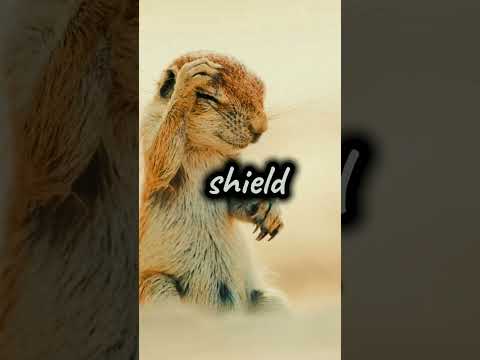
Absolutely. Both tree and ground squirrels live in many parts of Africa.
You’ll find them in forests, savannas, and even dry plains. Each species fits into its local climate and food scene in its own way.
How Squirrels Reached Africa
Long ago, squirrel relatives crossed into Africa, probably using land bridges as the continents shifted. Over millions of years, these populations split up and adapted to different habitats.
That’s why African squirrels look and act differently from the ones in Europe or North America.
Most African species belong to branches of the squirrel family that took unique evolutionary routes. Some became ground-dwelling and social, while others stuck to the trees and kept to themselves.
Scientists have mapped out these relationships in references like the Xerinae and the Xerini tribe. You’ll see how some African ground squirrels connect to wider rodent families.
This history shapes where you’ll find certain species in Africa today.
Diversity of African Squirrel Species
Africa’s squirrels come in all sorts of sizes, colors, and lifestyles.
In central and western forests, you’ll spot small bush squirrels. Larger ground squirrels hang out in the dry south.
Species lists include bush squirrels, striped ground squirrels, and the Cape ground squirrel.
Here are some main groups:
- Bush squirrels: small, tree-loving, often in rainforests.
- Ground squirrels: bigger, colony-forming, live in dry areas.
- Striped and rock squirrels: found across different sub-Saharan zones.
A lot of these species help spread seeds and keep the soil healthy.
If you want to dig deeper, check out info on African bush squirrels and the Cape ground squirrel for more on where they live and how they behave.
Tree Squirrels Versus Ground Squirrels in Africa
Tree squirrels mostly stick to forested places. They climb, munch on fruits and seeds, and nest up in the branches.
You’ll see them in places like West and Central African forests, especially where the trees are thick.
Ground squirrels, on the other hand, live out in the open in arid or savanna regions. Take the Cape ground squirrel—it digs big burrows and lives in social colonies.
Ground species often band together for defense and care.
Some key differences:
- How they move: tree squirrels leap and climb; ground squirrels run and dig.
- Social life: ground squirrels are usually social; tree squirrels tend to go solo.
- Diet: tree squirrels love nuts and fruits; ground squirrels eat seeds, roots, and sometimes insects.
Want more on the Cape ground squirrel? Look up detailed species pages for info on their habitat and social lives.
Notable Squirrel Species and Their African Habitats

You’ll find squirrels everywhere, from dry deserts to dense rainforests.
Some dig deep burrows and hang out in colonies, while others race along high branches and scatter seeds that help new forests grow.
Ground Squirrels: Habitat, Behavior, and Adaptations
Ground squirrels like the Cape ground squirrel (Geosciurus inauris) live in the dry south—think South Africa, Botswana, and Namibia.
They dig big networks of burrows to stay cool and safe. You’ll often see them sitting upright, scanning for danger, and they almost always live in groups.
The Kaoko or Damara ground squirrel (Xerus princeps and related forms) prefers rocky, dry spots in Namibia and Angola. Their coarse fur and bushy tails help shade them from the sun.
The Barbary ground squirrel (Atlantoxerus) lives way up in North Africa, showing just how much ground squirrels can adapt.
Ground squirrels eat seeds, roots, and insects. Their digging keeps the soil loose and spreads seeds around their homes.
Some quick facts:
- Diet: seeds, roots, insects
- Behaviors: burrowing, living in colonies, keeping watch for predators
Tree Squirrels: Diversity Across African Forests
Tree squirrels include the African bush squirrels (Paraxerus species) and some larger types like the African giant and fire-footed rope squirrels.
Smith’s bush squirrel and the red bush squirrel hang out in woodlands and at the edges of forests in east and southern Africa.
Sun squirrels (Heliosciurus) live across West and Central Africa and love to snack on fruits and seeds.
The fire-footed rope squirrel (Protoxerus stangeri) races through dense rainforests, rarely touching the ground.
These tree squirrels usually nest in tree holes or build leafy platforms.
Their eating habits make them great at spreading seeds. When you watch them stash or drop seeds, you’re seeing forest regeneration in action.
Tree squirrels also use calls and tail flicks to warn others about danger.
Rare and Unique African Squirrels
Some African squirrels are tiny or have a really small range.
The African pygmy squirrel (Myosciurus pumilio) is one of the smallest you’ll ever see. It lives in West African rainforests, moves fast along trunks, and almost never comes down to the ground.
Swynnerton’s and Vincent’s bush squirrels only live in a few spots in East Africa and Mozambique.
The striped bush squirrel and black-and-red bush squirrel stand out with their bold colors and local habitats.
You might also spot the mountain ground squirrel in cooler, higher places.
Many of these rare species struggle with habitat loss. If you’re interested in studying them, check out distribution maps and local forest protection efforts to see where they still survive.
Ecological Importance of African Squirrels
Squirrels play a big role as seed dispersers, helping forests regenerate. When tree and bush squirrels drop or bury seeds, they give many seeds a chance to sprout far from the parent tree.
This process boosts plant diversity. It also helps forests bounce back after disturbances.
Ground squirrels dig burrows and change the soil structure. Their digging lets more water soak in and creates little homes for insects and small reptiles.
Honestly, you could call them tiny ecosystem engineers. It’s kind of amazing how much impact they have.
Squirrels also serve as prey for raptors, snakes, and small carnivores. They link plants to predators in the food web.
By protecting squirrel habitats, we support broader biodiversity. It’s one small step that helps keep African landscapes healthy.


