
Seeing a squirrel without its tail? That’s always a bit startling. Usually, injury is the culprit—predators, accidents, or even trash that gets wrapped too tightly and cuts off circulation.

Let’s talk about how predators, tangles, disease, and rare birth defects can all lead to tail loss. It’s not just cosmetic—losing a tail messes with balance, warmth, and a squirrel’s day-to-day life.
Stick around to see how squirrels handle it, what to watch for, and when calling a wildlife rehabilitator might actually help.
Main Causes of Squirrel Tail Loss

Squirrels lose tails because of attacks, accidents, illness, or sometimes birth defects. Figuring out what happened helps you know what that squirrel needs.
Predator Encounters and Tail Autotomy
Hawks, cats, foxes, and dogs usually grab a squirrel by the tail first. If they bite or yank hard, the tail can tear off or get crushed. Outdoor cats in neighborhoods often go after gray squirrels this way.
Some people mention autotomy—self-amputation—like lizards do. Most tree squirrels don’t really do this, but a tail can still break off where it’s weakest. If you spot a squirrel with a rough, shortened tail right after a chase, odds are a predator got too close.
Look for bite marks, missing fur, or a healing stump. Those usually mean an attack happened, not a disease or birth defect.
Injuries and Environmental Hazards
Tails get stuck in fences, netting, wires, or even garden tools. When a tail gets jammed and the squirrel yanks itself free, the skin or bone might tear. Urban spots with lots of fences and wires make this more likely.
Cars and falls from high places can snap tails, too. You might see blood, fur that looks shredded, or a tail hanging at a weird angle if trauma is the cause. Squirrels also fight each other, especially during mating season or over territory, and that can get rough.
If you find a squirrel that’s trapped or hurt, please call a wildlife rehabilitator instead of trying to help on your own. Fast, professional care really gives them a better shot.
Disease, Infection, and Parasites
Fungal or bacterial infections sometimes wreck tail tissue, leading to hair loss, sores, or even dead patches. Mites and other parasites can make a squirrel chew or scratch its tail raw, which opens the door for infection.
If infection cuts off blood flow, part of the tail might just fall off after a while. You’ll often notice crusty skin, bald spots, or even a bad smell when infection is in play.
Spot a squirrel with spreading baldness, sores, or acting really tired? It’s smart to let local wildlife folks know. They can treat infections and help keep other animals safe.
Genetic Defects and Congenital Issues
Some squirrels are just born with weird tails—short, kinked, or not much fur—thanks to genetics or developmental hiccups. A young gray squirrel with a stubby or odd-shaped tail and no scars probably had it from birth.
These squirrels usually get by, but they might struggle more with balance, especially when leaping. Genetic issues are rare, but if you keep seeing lots of stubby-tailed squirrels in one spot, it could mean something’s up with the environment or inbreeding.
Consequences and Adaptations After Tail Loss
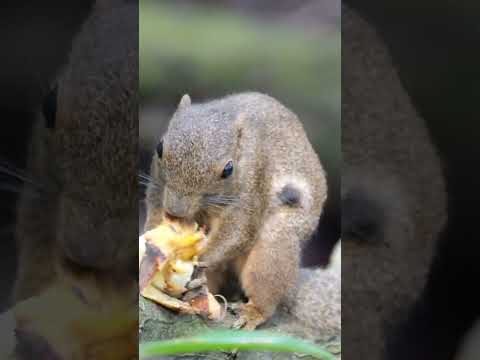
Losing a tail really changes how a squirrel moves, stays warm, and even communicates. Balance, body language, and temperature control all take a hit.
Impact on Balance and Agility
Without a tail, jumping and turning get a lot trickier for gray squirrels. The tail works like a counterweight when they leap between branches. Take that away, and landings get wobbly, plus their jump distance shrinks.
Squirrels have to rely more on where they put their feet and how they twist their bodies. That means slower moves and sticking to thicker branches. Predators might notice, so tailless squirrels often avoid risky, open jumps.
Some figure out how to use their body and whatever’s left of the tail as a tiny rudder. They practice new jump angles and grip harder with their feet to make up for what they’ve lost.
Effects on Communication and Social Behavior
Squirrels use their tails to show alarm or intentions. Lose the tail, and you lose a big part of your visual “voice.” You can’t flag danger as clearly, so other squirrels might miss your warnings.
Sometimes, other squirrels treat a tailless one as weaker or just odd. That can mean less grooming, fewer chances to mate, or missing out on the best food spots.
To stay in the group, tailless squirrels might call out louder, mark territory more often, or get a bit bolder in approaching others. It’s not easy, but they find ways to adapt.
Temperature Regulation Challenges
A squirrel’s tail acts like a cozy blanket during cold snaps and turns into a handy sunshade when it’s hot out.
Without your tail, you lose one of your best tricks for keeping your body temperature steady.
You’ll probably need to huddle more in your nest or pick warmer tree cavities. Maybe you’ll just eat more to crank out extra body heat.
When summer rolls around, you might find yourself panting or sticking to the shade so you don’t overheat.
Rehab squirrels and city-dwelling grays usually change up their nesting spots and grooming habits to cope without a tail.
Sometimes, simply adding thicker nest linings or squeezing in closer with others makes a big difference during tough weather.


