
You might spot a white squirrel out there—they’re not a separate species, just a rare sight. Most white squirrels owe their color to unusual genetic changes like leucism, or sometimes albinism—so, yes, white squirrels are real. They’re a quirky surprise if you know where to look.

Here’s what’s going on with their color, how often these genes show up, and why some towns go out of their way to protect and celebrate their white squirrel residents.
Ever wondered if a ghostly pale squirrel is just a myth or a genetic twist? This piece should clear things up and even point out where you’re more likely to spot one.
Why White Squirrels Exist

White squirrels pop up because of changes in how pigment forms and passes on in squirrel genes.
These changes explain why you might see white fur on eastern gray squirrels or other species. They also affect whether the eyes are dark or pink, and how these traits stick around in certain places.
Genetic Causes: Leucism and Albinism
Leucism and albinism both mess with pigment, but not in the same way.
Leucism happens when genes for pigment distribution in fur get partly disrupted. That leads to white or patchy fur, but the eyes stay dark.
Leucistic squirrels keep normal vision, so they just look like a white version of Sciurus carolinensis or whatever species they belong to.
Albinism, on the other hand, comes from mutations that block melanin production completely. An albino squirrel ends up with white fur and pink or red eyes because there’s no pigment in the eyes.
Albino squirrels usually struggle more with predators and sunlight, because their vision and skin are extra sensitive.
Both conditions come from inherited genes. Leucism usually acts as a recessive trait, so if two carriers breed, you might see several white or pale babies.
Albinism is even rarer and follows a different set of recessive mutations.
Differences Between Leucistic and Albino Squirrels
If you’re trying to tell them apart, check the eyes and skin.
Leucistic squirrels have dark, normal-looking eyes. Albino squirrels have pink or red eyes since there’s no melanin.
Leucistic ones might be all white or have a mix of brown and white patches, while albinos are just straight-up white.
Behavior and survival aren’t quite the same, either. Leucistic squirrels usually see just fine and act like any regular eastern gray squirrel, so their survival odds are normal.
Albino squirrels tend to be more cautious, often have worse vision, and really don’t handle sunlight well. That can make life tougher for them in the wild.
Genetics shape where white morphs show up. In places with lots of white squirrels, you’ll usually find more carriers for leucism.
Brevard, North Carolina, is a good example—someone introduced a pair with the white gene years ago, and now the local Sciurus carolinensis population shows off that trait pretty often.
White Morphs in Squirrel Species
White morphs turn up in several squirrel species, but they’re not a separate species themselves.
You’ll find white eastern gray squirrels, fox squirrels with white patches, and sometimes white versions of other tree squirrels. Populations with lots of white individuals usually come from a limited gene pool or a founder event in the area.
Human curiosity actually helps these squirrels, too. Towns that protect or celebrate white squirrels help keep those genes around.
Sometimes, people just notice and talk about white squirrels more, so sightings get reported more often than regular gray or black squirrels.
Black squirrels, by the way, are another color morph of Sciurus carolinensis in some places. It’s kind of cool that a single species can have so many coat colors just because of genetics.
If you see a white squirrel, check its eye color and behavior. That’s usually enough to tell if it’s leucistic or albino.
For more on where people have spotted them and what’s being done to help, check out the White Squirrel Institute’s info on white squirrel sightings (https://whitesquirrelinstitute.org/white-squirrels).
White Squirrel Distribution and Communities
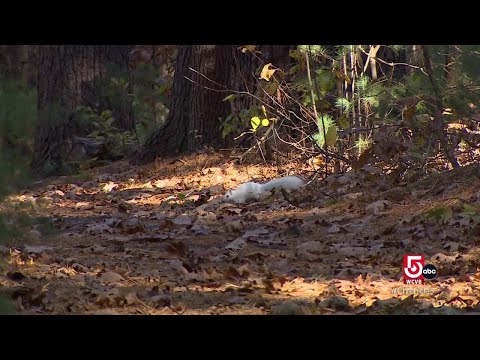
You can find white squirrels in a few towns and scattered wild spots. Lots of places track sightings, study the genes, and even put on events to keep these animals safe and in the spotlight.
Famous White Squirrel Populations
Brevard, North Carolina, is probably the most famous spot for white squirrels. A pair released in the 1940s spread the white trait through the local eastern gray squirrel group, so you’ll see them around parks and neighborhoods.
Other towns, like Olney, Illinois, and Marionville, Missouri, have their own small populations that draw visitors and photographers.
These white squirrels usually make up a small chunk of the overall group, but in Brevard, they’re everywhere. Walk around town, and you’ll likely spot one near trails, feeders, or green spaces.
If you want to report a sighting, the White Squirrel Institute and similar groups collect those to map out where these squirrels live.
How Communities Protect and Celebrate White Squirrels
Communities use a mix of laws, volunteers, and events to protect white squirrels and their habitats.
In North Carolina, people work with licensed wildlife rehabilitators when they find injured squirrels, instead of trying to keep them as pets. If you come across a hurt squirrel, reach out to a rehabilitator—local groups keep lists of contacts for Transylvania County and nearby spots.
Towns also have a bit of fun with it. Brevard throws a White Squirrel Festival every Memorial Day weekend, with music, vendors, and info for visitors.
These events raise money for rescue work and habitat projects. You can help by following festival rules, not feeding wildlife in risky ways, and donating to groups that fund white squirrel counts and rehab programs.
Research and Conservation Efforts
Researchers and local volunteers actually run population counts and genetic studies to figure out how the white trait sticks around. Every year, the White Squirrel Count in Brevard tracks their numbers, so you can spot changes in the local population.
Colleges and institutes, especially those working with the White Squirrel Research Institute, keep records of sightings. They also dig into whether leucism or albinism causes the white fur—honestly, it’s still up for debate.
Conservation work centers on protecting habitats and spreading the word to the public. You can get involved by reporting sightings to official databases or backing local wildlife rehab efforts.
Just following local advice about living near wildlife can make a difference. These simple steps give researchers more data, help rescue groups, and give white squirrels a better shot at thriving.


