
Ever watched a squirrel do something weird and wondered what’s going on in its belly? Here’s a quirky fact: Squirrels can’t burp. Their throat and stomach just aren’t built for it, so gas can’t move back up and out the mouth. That small detail actually says a lot about how they digest food—and why some poisons hit them harder than they do other animals.

As you read on, you’ll get the scoop on their short, simple digestive tract, the tight seal between esophagus and stomach, and their eating habits. I’ll keep it straightforward and short, with clear bits about burping, why squirrels can’t vomit either, and what all this means for their health.
Why Can’t Squirrels Burp?
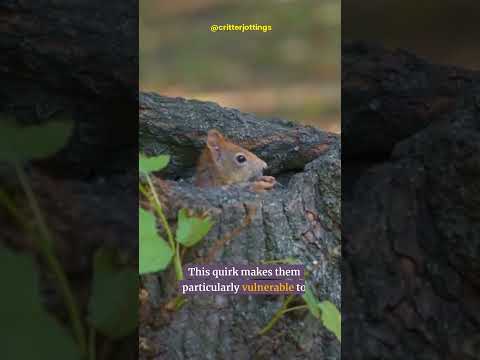
Squirrels don’t burp because of the way their throat and stomach connect, how their muscles work, and how they deal with gas differently. Let’s break down what stops burping, what the cardiac sphincter does, and how squirrels handle gas or waste without ever letting out a burp.
Unique Anatomy of the Squirrel Esophagus
The squirrel’s esophagus is pretty short and stiff compared to ours. It runs from the mouth to the stomach, with thick muscle layers that keep food and gas moving forward, not back.
This setup lets squirrels eat fast and keeps things flowing in the right direction.
Their nerve control works differently too. Squirrels don’t have the same reflexes that trigger burping in people.
Even if gas builds up, the nerves and muscles just won’t do the whole “burp” routine.
Sometimes, you might see a squirrel regurgitate food for re-chewing, but that isn’t burping. Regurgitation brings up food, while burping lets out swallowed air.
Their bodies are wired for the first one, not the second.
Cardiac Sphincter Role in Preventing Burping
The cardiac sphincter sits at the top of a squirrel’s stomach and stays clamped tight most of the time. This muscle ring blocks food and gas from backing up the esophagus.
Because this sphincter’s so strong, only a lot of pressure could force it open—and that pretty much never happens. The tight seal keeps squirrels from choking when they eat quickly or munch on tough stuff.
Experts point to this muscle as the main reason rodents, including squirrels, just don’t burp. It’s basically a one-way valve.
How Squirrels Manage Gas Without Burping
Squirrels have their own ways of handling gas. They swallow less air by nibbling small bites and chewing well.
That keeps gas from building up like it does in animals that gulp their food.
Their digestive system moves any gas along the intestines and out the other end as flatulence. Regurgitation helps them get rid of tough food bits, but it’s not the same as burping.
Those tricks keep gas from causing big problems.
If a squirrel eats something toxic or gets gas pain, it can’t vomit to get rid of it. That makes some poisons much more dangerous for squirrels than for animals that can throw up.
So, it’s smart not to leave harmful baits where squirrels might find them.
Why Squirrels Cannot Vomit

Squirrels don’t have the right body parts or brain wiring to vomit, and that changes how they deal with toxins or upset stomachs. You’ll see how their anatomy and health risks stack up against other animals.
Digestive System Adaptations and Evolution
Squirrels have a tight, muscular diaphragm and a stomach that pushes food just one way—down. That makes it really tough for them to force anything back up.
The spot where their esophagus meets the stomach works like a strong one-way door, not like in animals that can vomit.
Their brainstem also misses the full set of vomiting circuits that other mammals have. When researchers give rodents drugs that should cause nausea, mice and rats barely show any of the usual vomiting signs.
It seems evolution gave squirrels and their rodent cousins other ways to avoid toxins, like taste aversion, instead of a vomiting reflex.
Honestly, it’s not just one thing. It’s the combo of muscle structure, stomach shape, and brain wiring that leaves squirrels unable to vomit.
Consequences of Not Vomiting for Squirrel Health
Since squirrels can’t throw up poisons, they’re at higher risk when they eat something bad. Rodenticides and other toxins stay inside and can poison them more easily.
That’s why using the right kind of bait and putting it in safe places matters for pest control and wildlife safety.
Squirrels have to deal with stomach upsets differently. Sometimes they eat clay or weird stuff to bind toxins, or they just stop eating the food that made them sick.
But if they swallow something that blocks them up or is really rotten, they can get into serious trouble, since they can’t just vomit it out.
If you’re caring for an injured or sick squirrel, watch for drooling, tiredness, or lots of swallowing—those can be signs of real internal problems that regurgitation won’t fix.
Comparison to Other Animals That Cannot Burp or Vomit
Not every mammal can vomit. Rodents, like mice, rats, and a bunch of squirrel cousins, fall into this category.
Scientists have actually tested several rodent species. They noticed the same limits—stomach shape and diaphragm strength just aren’t up to the task.
Horses can’t vomit either, though the reason is a bit different. They’ve got this super-strong valve where the esophagus meets the stomach, and it basically blocks anything from coming back up.
In rodents and squirrels, it’s more about weaker diaphragm muscles. Plus, they lack certain brainstem circuits for vomiting.
So, even though these animals arrive at the same problem, the anatomy behind it isn’t always the same. It’s kind of wild how different paths lead to the same outcome—these creatures have to find other ways to deal with toxins.


