
Ever spotted an opossum in your yard and wondered if it might get aggressive? Honestly, opossums are super shy and rarely act aggressive.
They just want to avoid trouble and will usually run off if they feel disturbed.
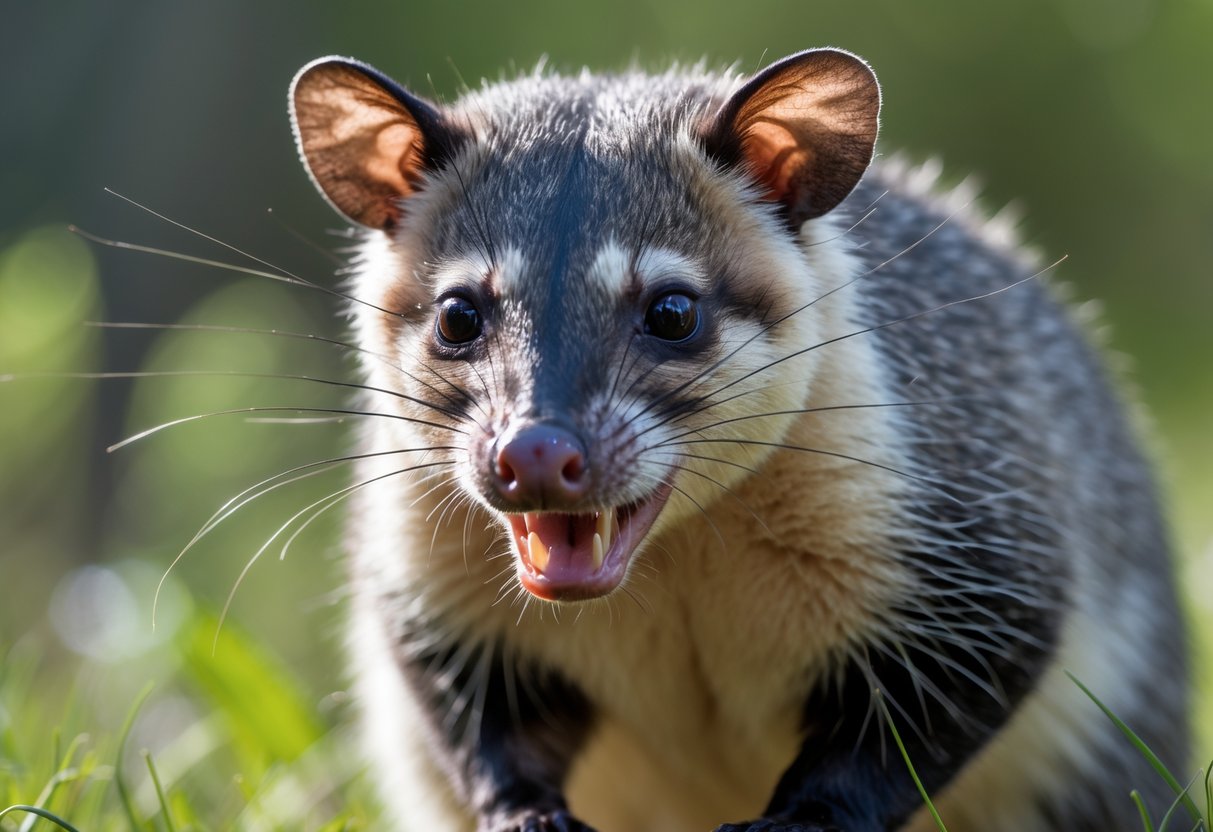
Still, like any wild animal, an opossum may act defensively if it feels scared or cornered. You might catch one hissing, baring its teeth, or even playing dead to protect itself.
If you know this, it’s easier to stay calm and just give them some space when you see one hanging around your place.
Are Opossums Aggressive?

Opossums mostly keep to themselves and avoid trouble. But if they feel scared or threatened, they might react in ways that seem aggressive.
If you understand their behavior and know when they defend themselves, you’ll probably feel a lot more at ease around them.
Typical Opossum Behavior
Opossums prefer to stay out of sight. Most nights, you’ll find them quietly foraging or hiding away during the day.
They don’t go looking for fights and move slowly and carefully.
Unlike raccoons, opossums come across as more reserved. If you spot one, it’s probably just passing through or looking for a snack.
Defensive Reactions and Triggers
When an opossum feels threatened, it tries a few tricks to protect itself. Usually, it’ll hiss, show its teeth, or make some loud noises to scare off whatever’s bothering it.
This looks scary, but it’s just a bluff.
If that doesn’t work, the opossum might play dead—yep, that’s where the phrase “playing possum” comes from. This act fools predators into losing interest.
You’ll only see real aggression if the opossum feels trapped and can’t escape.
Aggression Toward Pets and Humans
Opossums almost never attack people or pets. They just want to be left alone and will only defend themselves if provoked.
If your dog or cat gets too close, the opossum might hiss or swish its tail, but it’s not likely to cause much harm.
It’s best to keep your distance to avoid stressing the animal. If you or your pet does get bitten or scratched, wash the area and talk to a doctor, just in case.
Opossums rarely carry rabies, but it’s always smart to be cautious.
Common Misconceptions About Aggression
A lot of people think opossums are aggressive because of their hissing or because they “play dead.” But really, these are just defense moves.
Raccoons can be a bit feisty, but opossums don’t show hostility unless they have no other choice. They’re actually helpful, since they eat ticks and insects around your yard.
If you give them space and don’t bother them, they won’t cause trouble.
Want to know more about how opossums react to threats? Check out Wildlife Help.
Risks and Safety Tips When Encountering Opossums

Opossums don’t want to mess with people and almost never attack unless they’re scared or cornered. Still, it’s smart to take a few steps to keep both you and the animal safe.
Knowing how to prevent run-ins, spot health risks, and when to call for help can make things go smoothly.
Preventing Unwanted Encounters
You can cut down on opossum visits by removing food sources around your place. Keep your garbage cans sealed and don’t leave pet food outside overnight.
Try to keep your yard free of fallen fruit, spilled birdseed, or anything else that might attract wildlife.
If you see an opossum, just give it some room. They’ll almost always run off instead of sticking around.
If one’s hanging out in your yard and you need it to move along, you can gently nudge it with a broom—no need to hurt it. Never pick one up or corner it.
To keep them out of your house or shed, seal up gaps under decks and block entry points to attics or crawl spaces.
Disease Transmission and Health Risks
Opossums can carry parasites and a few diseases, but they rarely spread anything serious to humans. Sometimes they have fleas, ticks, or mites that could bother your pets.
Keep your pets’ vaccinations and flea meds up to date for extra protection.
Diseases like leptospirosis or tuberculosis don’t show up often in opossums. Still, if you see any wild animal acting sick or odd, steer clear.
If you get scratched or bitten, wash the spot with soap and water right away. Then check with a doctor about infection risks.
Opossums almost never have rabies, so the risk is pretty low. Even so, don’t handle them without protection, especially if they’re acting weird or aggressive.
When to Seek Wildlife Control Help
Notice an opossum acting strangely or getting aggressive? Go ahead and call your local wildlife control or animal services. These folks know how to handle wild animals and can figure out the safest way to help both you and the opossum.
If you spot an opossum that’s injured, sick, or stuck somewhere it can’t get out, reach out for professional help. Don’t try to catch or move it yourself—you could get scratched or bitten.
Did your pet get a little too close to an aggressive opossum? Call your vet right away. Wildlife control experts can let you know if you need to quarantine your pet or take other steps to keep everyone healthy.
Curious about safe removal? Check out humane opossum control for more tips.


