
Ever spot an opossum scurrying by and wonder if it could give you rabies? Honestly, opossums hardly ever carry rabies—they’re actually pretty resistant to it because their body temperature runs lower than most mammals.
So, your odds of catching rabies from an opossum are super low compared to other wild critters.
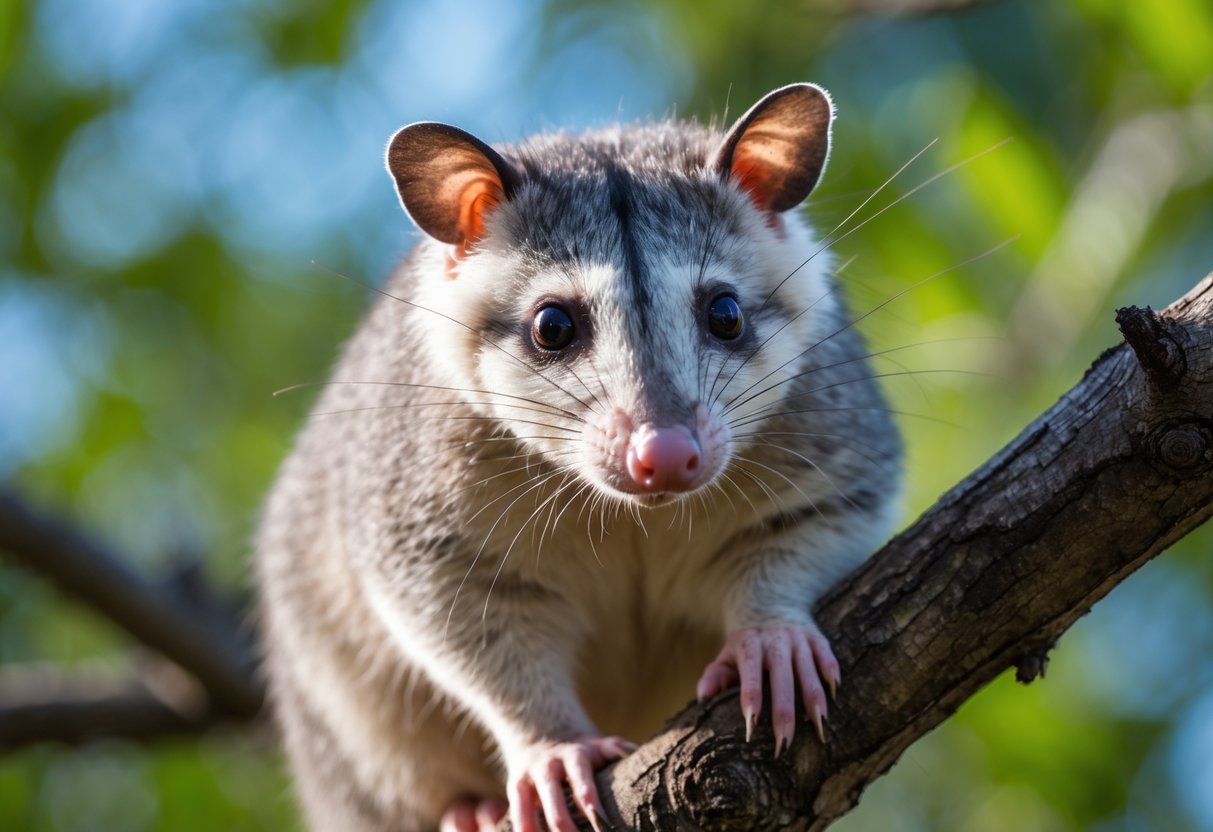
Still, I wouldn’t say it’s impossible—opossums can get rabies in rare cases, especially if they tangle with bats. If you’ve got opossums hanging around your place, it’s good to know how these infections happen and what signs to look for.
Understanding these facts might help you feel more at ease around these odd-looking neighbors.
Their behavior and biology actually make them way less risky than most people think. Curious why? Let’s dig into why opossums almost never spread rabies and what you should do if you see one acting weird.
Rabies Risk from Opossums and Possums

People often misunderstand opossums and possums when it comes to rabies. You might worry about getting rabies from them, but honestly, their biology and habits make it really unlikely.
It helps to know how rabies spreads, why these animals rarely carry it, and what to do if you get bitten.
Rabies Transmission Explained
Rabies spreads through saliva, usually after a bite from an infected animal. The virus attacks the brain and nerves, and it’s fatal if you don’t get treated.
If you get a deep bite or scratch from a rabid animal and skip medical care, you could get rabies.
Bats, raccoons, and skunks cause most rabies cases in cities and suburbs. Opossums can catch rabies, but it’s rare. They just aren’t a main source, so your risk from them is very low.
Still, any wild animal bite deserves attention.
Why Opossums Rarely Carry Rabies
Opossums keep their body temperature a bit cooler than most mammals—usually between 94 and 97°F. This makes it hard for the rabies virus to survive inside them.
If a rabid animal attacks an opossum, it usually doesn’t survive long enough to pass rabies on. That makes the odds of them spreading rabies even slimmer.
A few rare cases have shown opossums catching rabies from bats in South America, but that hardly ever happens.
Opossums can carry other germs, like those that cause leptospirosis, so it’s still smart to avoid touching them. If you need one removed, call someone who knows what they’re doing.
Handling Animal Bites and Rabies Prevention
If an opossum or any wild animal bites you, wash the wound right away with soap and water for several minutes. That simple step helps lower your risk of infection.
Get medical help as soon as you can. A doctor will decide if you need post-exposure prophylaxis (PEP)—that’s a series of shots to prevent rabies after a possible exposure.
Tell your doctor exactly what happened and what bit you. Even though rabies in opossums is rare, it’s always better to play it safe.
Try not to handle wild opossums, especially if they seem off.
Other Diseases and Safety Concerns

Opossums can carry some diseases that affect people or pets, but rabies isn’t usually one of them. Knowing what illnesses they might bring and how to steer clear can keep your family safer.
Diseases Commonly Carried by Opossums
Opossums sometimes carry parasites like fleas and ticks, which can spread things like typhus or Lyme disease. They also might carry bacteria like salmonella, especially if you come in contact with their droppings.
Their low body temperature makes rabies rare in opossums, but avoiding direct contact is still smart. If you spot one nearby, keep your pets and kids away until it moves along.
Leptospirosis and Tularemia in Opossums
Leptospirosis is a bacterial disease you can get from water or dirt contaminated with urine from infected animals, including opossums. It starts off feeling like the flu but, if ignored, can mess with your organs.
Tularemia, or rabbit fever, is another rare bacterial infection opossums can carry. It spreads through bites or contact with infected animals or ticks.
Both of these diseases are rare, but they can get serious. It’s always a good idea to avoid touching wild animals that look sick.
Safe Wildlife Removal Tips
If you need to remove an opossum from your yard, don’t touch it with your bare hands. Wear thick gloves and use tools like a catch pole or a live trap.
Follow local rules for wildlife removal, and if you’re unsure, just call a professional.
If the animal looks sick or hurt, don’t try to move it yourself. Reach out to animal control or a wildlife rescue group.
Keep your pets and kids inside while you’re dealing with the situation. That way, you avoid any accidental run-ins with diseases.
Understanding Marsupials and Defensive Behaviors
Opossums are marsupials, so they carry their babies around in a pouch.
They usually keep to themselves and try to steer clear of trouble.
If something scares them, they might “play dead.” They’ll flop over, shut their eyes, and even let out a terrible smell to make threats back off.
Honestly, this act can make them look sick or even a bit scary, but it’s just their way of protecting themselves.
If you know what’s going on, it’s easier to stay calm and not startle an opossum. That way, you’re much less likely to get bitten or scratched.


