
Badgers can sometimes disrupt your garden, leaving you wondering how to deal with them. In many places, you cannot legally shoot a badger due to protections under the Badgers Act 1992. This law aims to safeguard badgers as important wildlife, so it’s essential to consider other ways to keep them out of your garden.

If you’re facing issues with badgers digging up your lawn or eating your plants, there are alternative solutions. Implementing deterrents like fences, noise makers, or natural repellents can help keep these creatures away without resorting to drastic measures. It’s always best to respect wildlife and find ways to coexist peacefully.
Understanding local wildlife laws can help you feel more confident in your approach. Learning to protect your garden while respecting badgers can lead to a harmonious backyard experience.
Understanding Badgers and Their Habitat
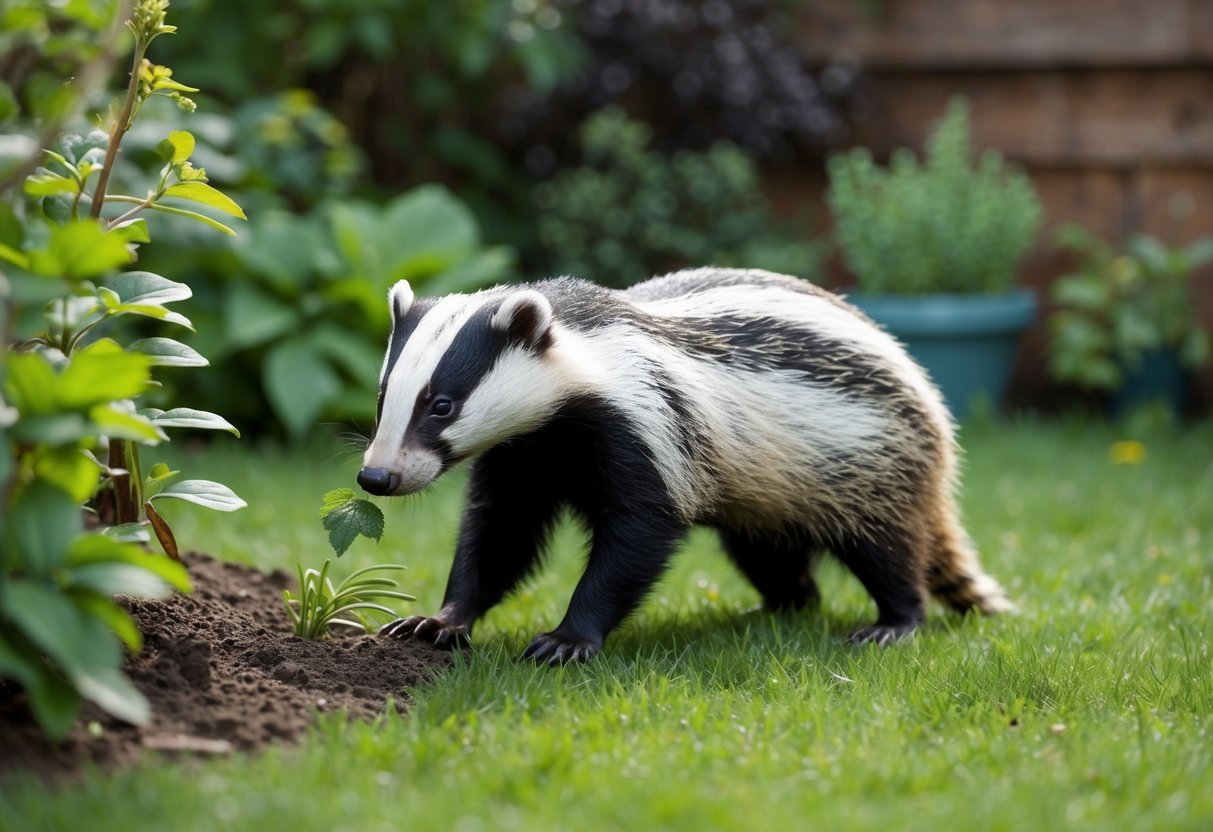
Badgers are fascinating wild animals that you might encounter in your garden. They are primarily nocturnal, meaning they are most active at night. This is when they search for food and explore their territory.
One of the key components of a badger’s habitat is the sett. A sett is a burrow or den where badgers live and raise their young. These setts can be extensive, with multiple entrances and tunnels.
Badgers play an important role in the ecosystem. They help control the populations of earthworms, grubs, and other small creatures. This contributes to a balanced environment in your garden.
When badgers search for food, they create snuffle holes. These are small pits they dig with their snouts, often noticeable in your lawn. They are looking for tasty treats, like earthworms and insects, which are part of their diet.
While having badgers visit your garden can be enjoyable, be mindful of their natural behavior. Since they don’t recognize human-made boundaries, they might dig up flower beds while foraging for food.
Understanding their habits can help you live peacefully alongside these interesting creatures. You can enjoy observing them while also protecting your garden.
The Legal Framework for Badger Protection
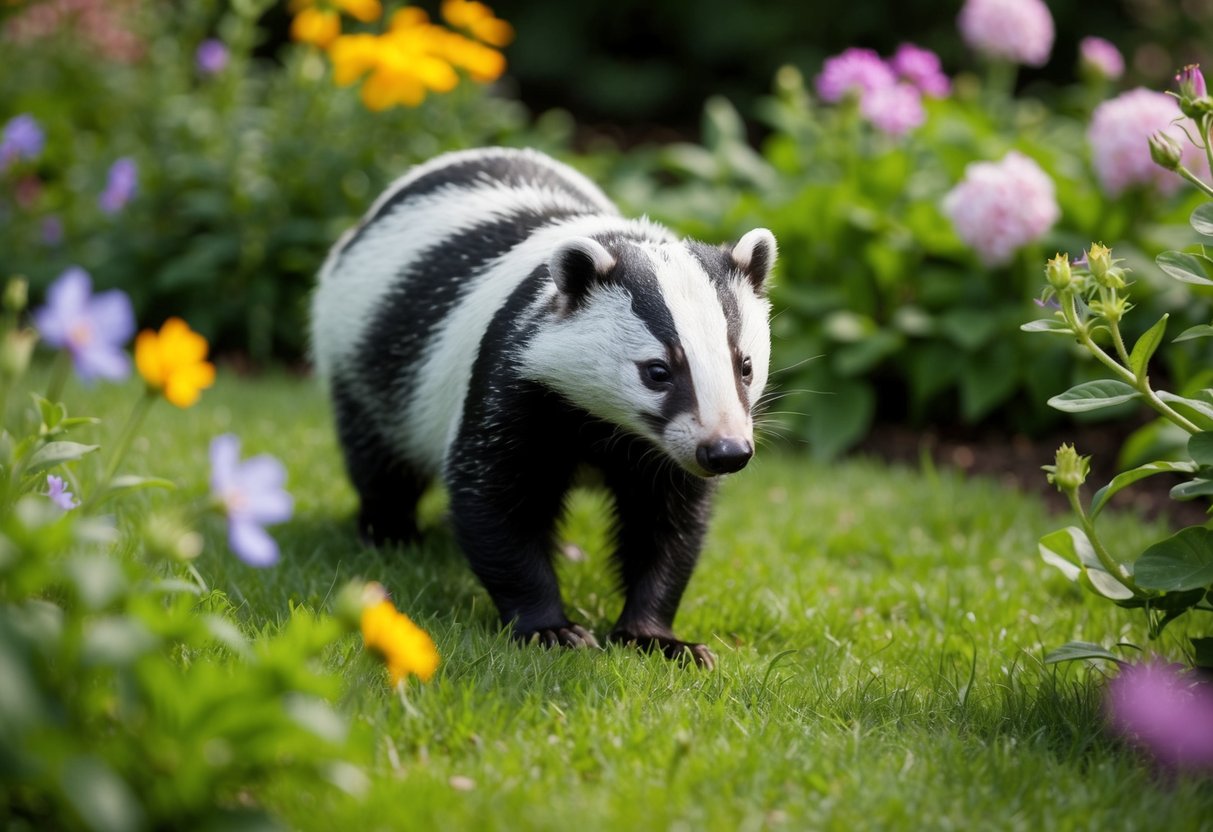
Understanding the legal protections for badgers is essential for homeowners. Violating these laws can lead to serious penalties, so it’s important to know your rights and responsibilities when it comes to badger management.
Protection of Badgers Act 1992
The Protection of Badgers Act 1992 provides crucial safeguards for badgers and their habitats. Under this law, it is illegal to damage or destroy a badger sett or obstruct their entrances. If you violate this act, you could face a fine of up to £40,000 or a prison sentence of up to 12 months.
Badgers are protected not just in their natural environments but also in urban settings where they may establish territories. Since they are considered a protected species, you must consult local wildlife guidelines before taking any action if you suspect badgers are in your garden. Always seek professional advice if you’re unsure how to proceed.
Assessing and Mitigating Badger Damage
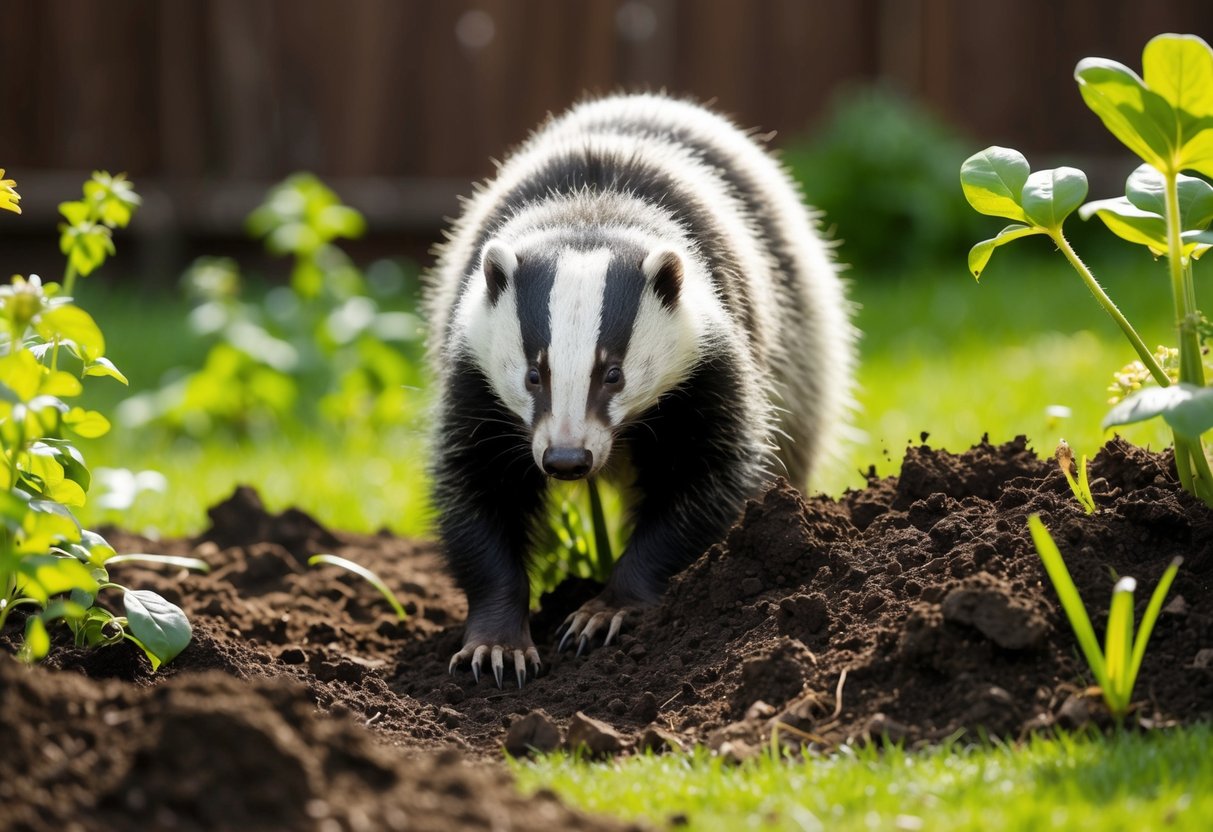
Badgers can cause significant damage to your garden. Identifying the signs of their activity early helps protect your lawn, crops, and plants. You can use various natural deterrents and physical barriers to minimize their impact while keeping your outdoor space safe.
Identifying Badger Damage
To effectively deal with badger damage, first identify the signs they leave behind. Look for areas where the ground is dug up or disturbed, particularly in your lawn or vegetable patches. Badgers dig for insects and bulbs, which can leave noticeable holes.
You might also notice scratch marks on nearby trees or posts, indicating their presence. If your flower beds or vegetables seem to be disappearing, it’s wise to investigate these signs closely. Knowing what to look for can help you respond quickly.
Natural and Humane Deterrents
Using natural deterrents can influence badger behavior without harming them. For example, bright lights or loud noises can discourage these animals from visiting your garden. Motion-activated lights are particularly effective at night.
Another option is to use strong-smelling substances. Sprinkling things like cayenne pepper around your garden can keep badgers at bay, as they dislike the strong scent. Encourage natural predators by creating a habitat that attracts beneficial wildlife, which can help keep badgers away without direct confrontation.
Fencing and Other Physical Barriers
Installing effective fencing can be an excellent way to keep badgers out of your garden. Consider electric fencing, which can be highly effective for deterring these animals. Make sure the fence is at least three feet tall and includes an underground barrier to prevent digging.
You can also reinforce existing fences with barbed wire or moveable gates. Keep in mind that badgers are skilled diggers, so using solid barriers is essential. Combine physical barriers with other methods for the best results in protecting your crops and flowers.
Coexisting with Badgers in Your Garden
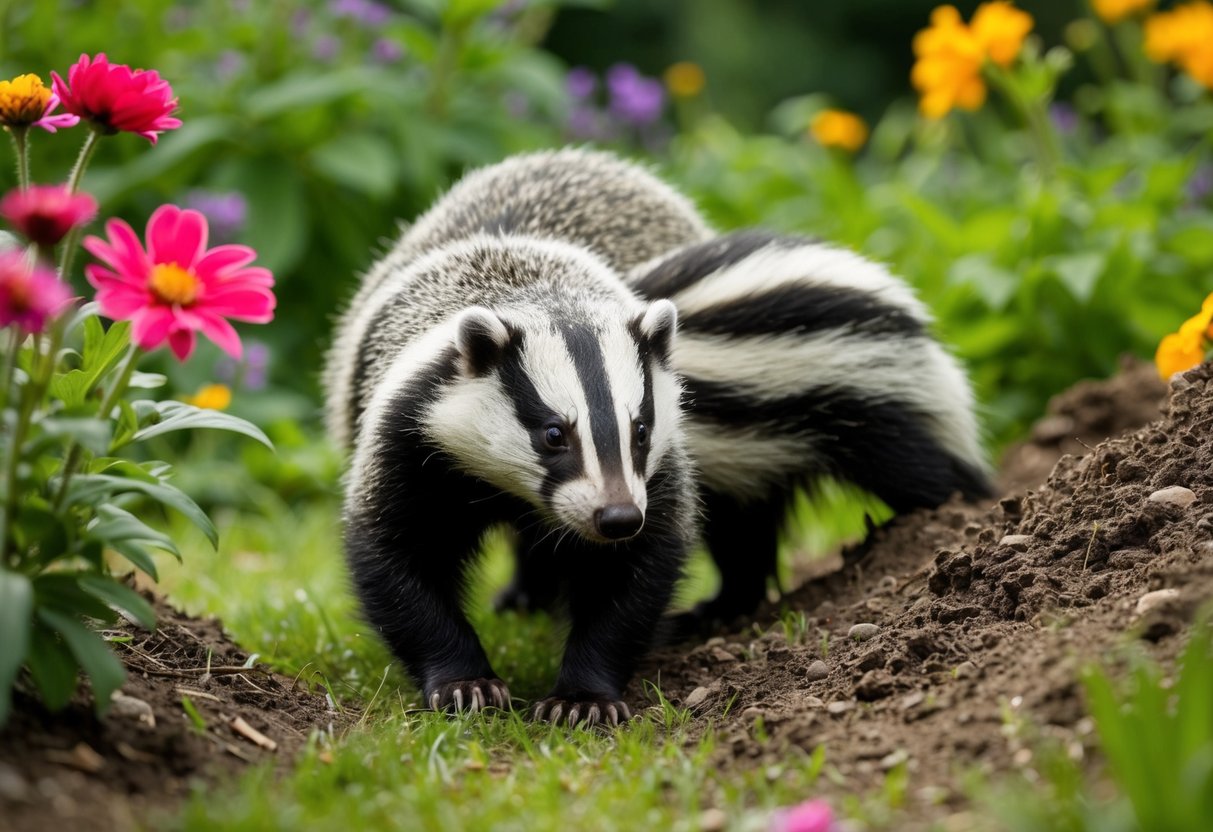
Badgers can be fascinating visitors in your garden, but it’s important to manage the space to keep them and your plants happy. By attracting wildlife responsibly and creating a welcoming environment, you can enjoy the presence of badgers while protecting your garden.
Feeding and Attracting Wildlife Responsibly
When it comes to feeding badgers, it’s best to do so with caution. Instead of leaving out food, consider planting native flowers and plants that provide natural food sources. Badgers enjoy earthworms, insects, and fruits.
Here are some ideas for plants you can grow:
- Sunflowers: Attract insects that badgers love.
- Berry bushes: Provide fruit for badgers.
- Wildflowers: Enhance biodiversity in your garden.
By letting nature do its work, you promote a healthier environment without directly feeding them.
Creating a Wildlife-Friendly Space
Your garden can be a haven for badgers and other wildlife with some thoughtful planning. Start by ensuring there’s plenty of cover, such as dense shrubs or small trees. This gives badgers places to hide and explore.
Also, consider installing a badger gate if you have a fence. This allows them to move freely without damaging your plants.
Avoid using harsh chemicals in your flower beds as these may harm wildlife. Instead, use organic gardening methods to keep your plants healthy and protect local wildlife.
These simple steps can help you coexist with the intriguing badgers in your garden while keeping it flourishing.


