
If you find yourself in a situation where a badger has been harmed or killed, you might be wondering about your responsibilities. In many cases, yes, you do need to report killing a badger. Killing a badger is illegal under the Protection of Badgers Act 1992. This law is in place to protect these animals from unnecessary harm. Ignoring this obligation can lead to serious consequences, including fines or other legal penalties.

Reporting incidents is an important part of wildlife crime prevention. If you witness or suspect illegal activities related to badgers, you should reach out to organizations like the RSPCA or the USPCA. They can provide guidance on how to report wildlife crime and ensure that badgers and their habitats are protected.
Being proactive about these issues helps maintain a healthy ecosystem. By understanding the laws surrounding badgers and knowing how to report any wildlife crime, you can contribute to their safety and conservation efforts.
Understanding Badger Law and Protections

Badgers are protected under specific laws in the UK. It is important to know what constitutes badger protection and the legal consequences of harming them. This section gives you a clear view of the laws in place, the types of wildlife crimes associated with badgers, and the penalties for such actions.
The Protection of Badgers Act 1992
The Protection of Badgers Act 1992 provides essential safeguards for badgers and their habitats. This Act makes it illegal to kill, injure, or interfere with badgers or their setts.
A sett is where badgers live and breed, making it vital for their survival. Any disruption to these areas can lead to legal actions against you. The law was established due to the historic persecution of these animals, aiming to prevent further cruelty.
Wildlife Crimes Involving Badgers
Wildlife crimes involving badgers can range from badger baiting to illegal culling.
Badger baiting, which involves dogs attacking badgers, is particularly cruel and illegal. This practice has serious legal implications, and authorities actively investigate these crimes.
Other issues include setting traps that harm badgers or blocking setts. These acts fall under wildlife crime and can result in severe repercussions. Being aware of the laws helps you stay compliant and protect these animals.
Penalties for Badger Persecution
If you harm a badger or interfere with its sett, you may face serious penalties. The Protection of Badgers Act 1992 can impose fines and imprisonment for those found guilty. For serious offenses, you can receive a prison sentence of up to six months. In some cases, each badger harmed can be treated as a separate offense, increasing potential penalties. Knowing these consequences reinforces the importance of protecting badgers and their homes.
Procedures for Reporting Badger Crimes
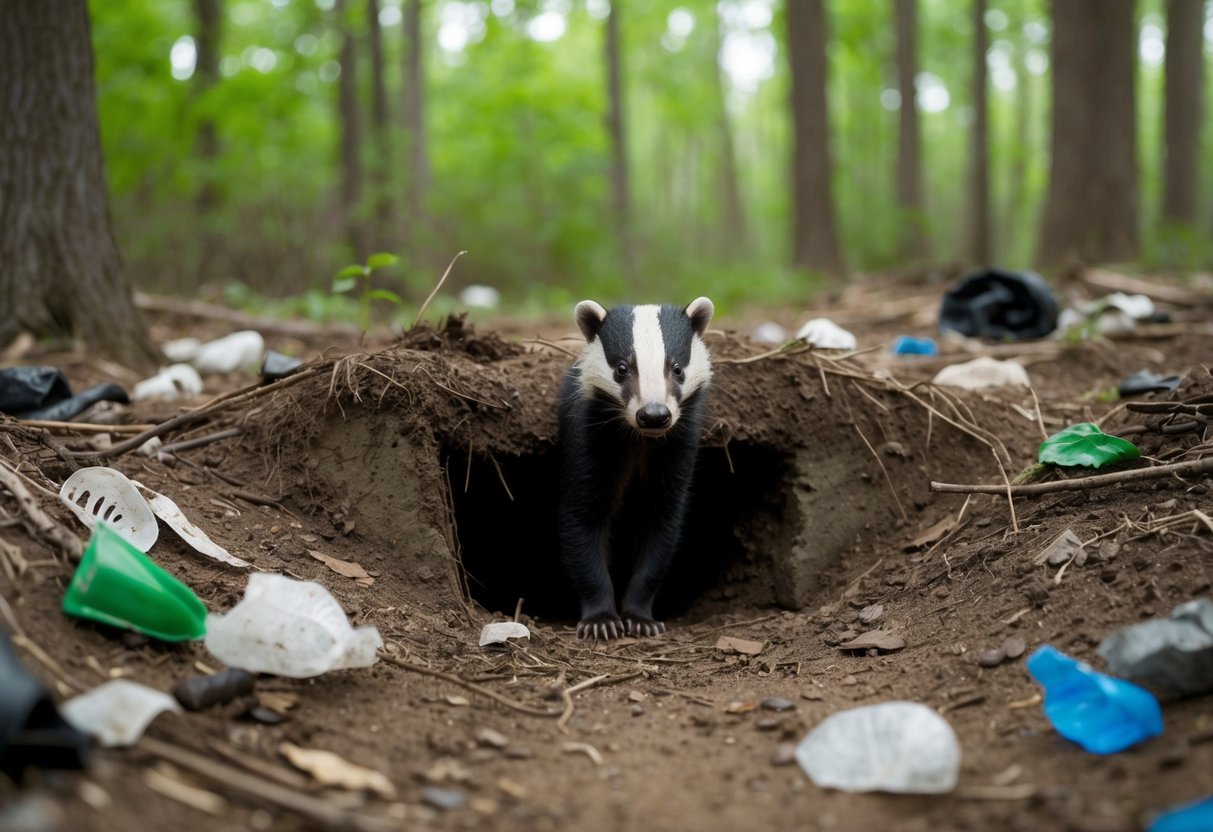
Reporting badger crimes is important for protecting these animals. Knowing how to take action when you see something suspicious helps ensure their safety.
How to Report Suspicious Activity
If you notice any suspicious activity concerning badgers, it’s crucial to act quickly. Start by gathering details, such as the location, time, and what you observed. Clear notes can help authorities understand the situation better.
You can report this activity to local wildlife authorities or the U.S. Fish and Wildlife Service. They have the resources and authority to investigate wildlife crimes. If you are in the UK, reach out to organizations like the Badger Trust for guidance.
Do not hesitate to provide as much information as possible. Even small details can help in investigations. Remember that reporting is a way to stand up for wildlife and help protect badgers from harm.
The Role of Wildlife Nonprofits
Wildlife nonprofits play a vital role in reporting and investigating badger crimes. Organizations like the Badger Trust work hard to raise awareness about badger protection and offer support to those who witness crimes.
These groups provide resources and guidance on how to report suspicious activity. They often have hotlines or online forms for reporting incidents. When you report a crime through them, it contributes to a larger effort to protect badgers.
Nonprofits also work with local law enforcement and wildlife officials to educate the public on the laws surrounding badgers. They promote better understanding of badger conservation and encourage citizens to report any illegal activities related to these animals. Your involvement could make a difference!
Interactions with Badgers and Legal Considerations
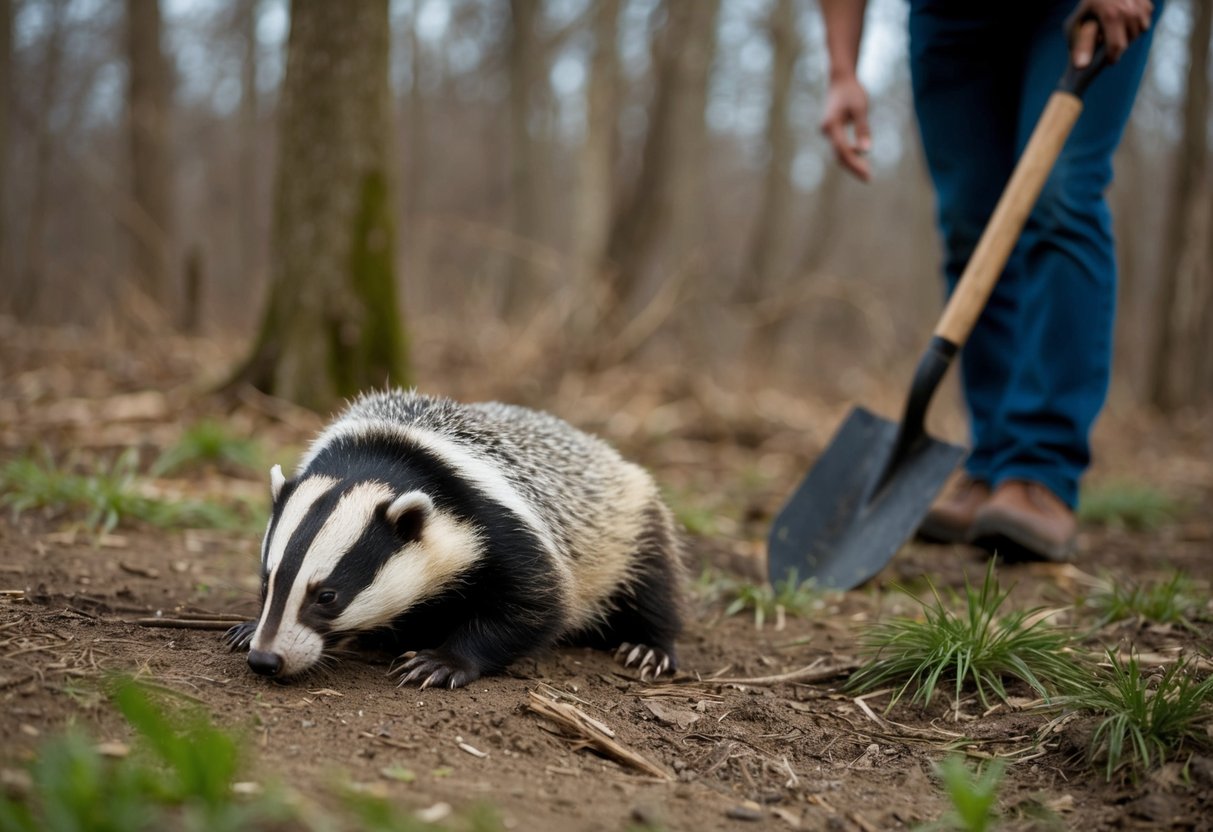
Understanding how to interact with badgers is essential, especially regarding legal responsibilities. Knowing when it is legal to kill a badger and what illegal activities exist will help you navigate these situations properly.
When Killing a Badger is Legal
In some cases, you may legally kill a badger, but strict rules apply. Badgers are protected under the Hunting Act 2004 and the Animal Welfare Act 2006, so harming them without justification can lead to severe penalties.
You can kill a badger if it presents a significant threat, such as damage to crops or property. This usually involves obtaining a license to ensure you follow wildlife laws.
Additionally, if you are dealing with sett blocking—where badgers cause burrows near roads or buildings—you must report this. Legal methods must be followed to address any nuisance caused by badgers without breaking the law.
Illegal Activities and Enforcement
Engaging in certain activities involving badgers can lead to legal troubles. Practices like badger baiting and badger digging are not only cruel but also illegal. These actions can result in hefty fines and even imprisonment if caught.
Wildlife crime reports indicate that such offenses have risen in recent years. Law enforcement is vigilant about illegal activities concerning badgers. Sett blocking without permission or causing harm to badger habitats can lead to investigations and legal consequences.
If you suspect illegal activity, it’s essential to report it to the authorities. Protecting badgers is the responsibility of everyone, ensuring a balance between wildlife and human activities.
Helping Badgers and Conservation Efforts

Taking action to help badgers is important for their survival and the health of ecosystems. You can get involved in various ways, from supporting organizations to creating safe environments for these wild animals.
Joining Conservation and Protection Efforts
You can make a difference by joining local badger groups or conservation organizations. These groups often focus on protecting badger populations, educating the public, and advocating for better legislation.
Consider volunteering your time to help with projects or fundraising. You can also donate to organizations working to prevent animal cruelty and promote wildlife protection.
Engaging in community awareness campaigns can change how people view badgers. Many people do not realize the importance of badgers in their habitats. Your support can help improve perceptions and lead to better protections for these animals.
Creating Safe Habitats for Badgers
Creating a safe habitat for badgers is essential for their well-being. One way to help is by preserving badger setts, which are their homes. Avoid disturbing these areas and report any illegal activities around setts to your local conservation authorities.
Planting native vegetation in your garden can provide food and shelter for badgers. This can make a big difference in areas near their habitats.
You could also build wildlife corridors to connect fragmented habitats, making it easier for badgers to roam.
Be sure to educate others about why badgers need safe spaces. Your actions can inspire others to take part in protecting these wonderful wild animals. Working together, you can help strengthen badger populations and ensure they thrive for years to come.


