
Wondering if you can leave your puppy in a playpen while you’re at work? Yes, you can use a playpen to safely contain your puppy during the day. This can give your furry friend a secure space while you’re away, which helps keep them from getting into trouble around the house.

A well-structured playpen can provide your puppy with a cozy area to play and relax. Just remember that young puppies have small bladders, so it’s important to ensure they can go outside or have someone check on them during long work hours.
Taking breaks to stretch their legs and relieve themselves will keep both you and your pup happy.
Many pet owners find that using a playpen eases their worries when they’re at work. It creates a safe environment where your puppy can enjoy their time alone, reducing anxiety for both of you. Ready to learn more about how to make this work? Let’s dive in!
Understanding Puppy Needs

Your puppy has specific needs that are important to understand when considering leaving them in a playpen while you are at work. Addressing these needs will help ensure your puppy remains happy and healthy during your absence.
The Importance of Potty Training
Potty training is crucial for your puppy’s well-being and your peace of mind. A well-trained puppy will know where it’s appropriate to go, reducing messes in the playpen.
Start by establishing a routine. Take your puppy outside for bathroom breaks regularly, especially after eating or sleeping.
Using a command like “go potty” can help create a connection between the command and the action. You can also reward your puppy with treats and praise to reinforce good behavior.
Keep in mind that young puppies may need to relieve themselves often, so be patient during this process.
Managing Separation Anxiety
Leaving a puppy alone can sometimes lead to separation anxiety. This condition can cause your puppy to be unsettled when you are not around, leading to excessive barking or even destructive behavior.
To manage this, start by creating a safe and comfortable space for your puppy in the playpen.
Gradually increase the time you leave them alone. Begin with short periods and slowly extend the duration.
Provide toys or chew items to keep your puppy busy. Consider using calming music or pheromone diffusers to help soothe your puppy while you are gone. This approach can ease their transition to being apart from you.
Small Bladders and Frequent Breaks
Puppies have small bladders and may need frequent breaks. Understanding your puppy’s age and size can help you establish a bathroom routine.
Typically, puppies can hold their bladder for about one hour for every month of age, up to about six hours.
Take your puppy out right before you leave for work and during your breaks, if possible.
Puppies who are left without the chance to relieve themselves may stress and create messes in the playpen.
Consider hiring a dog sitter or using doggy daycare services during the first few months if you work long hours. This can ensure your puppy gets the care they need throughout the day.
Choosing the Right Playpen

Choosing the right playpen for your puppy is important for their safety and comfort while you are at work. You will want to consider where you will use the pen and how much space your puppy will need to move around. Here are a few key factors to help you select the best option.
Indoor Vs. Outdoor Pens
When deciding on a playpen, consider whether you need an indoor or outdoor option. Indoor pens are typically made from lightweight materials like plastic or fabric. They are great for creating a safe space in your home. Look for pens with no sharp edges to prevent injuries.
Outdoor pens, on the other hand, should be sturdy and weather-resistant. They often come with features that prevent your puppy from digging out.
Make sure it’s tall enough that your dog cannot jump over. If you choose an outdoor pen, check that it provides shade and shelter from rain.
Size and Space Considerations
Size matters when picking a playpen. You need enough space for your puppy to play and stretch.
A good rule of thumb is to remember that puppies grow fast. Choose a pen that will accommodate your dog as they grow.
You might consider a Dog Playpen with adjustable panels. This way, you can modify the size as needed.
It’s important to make sure the pen is large enough for a comfy dog bed and room for your puppy to sleep and play.
Comfort and Safety Features
Look for comfort and safety features that will benefit your puppy. A playpen should have solid material that won’t bend or break easily.
Soft corners are essential, especially for curious puppies who might bump into them.
Adding a cozy dog bed will make the pen feel like a relaxing space for your puppy. Some pens also come with a removable floor, making cleaning easier.
Ensure that the playpen is well-ventilated to keep your puppy comfortable, especially during warmer months.
Setting Up the Playpen Environment
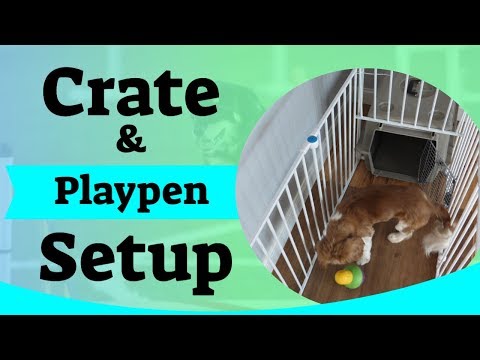
Creating a safe and comfortable space for your puppy is essential. This area should include everything they need while you’re at work. Focus on providing basic amenities and ways for your puppy to exercise and play when you’re away.
Providing Essential Amenities
Start by choosing a comfortable dog bed for your puppy to rest on. Look for one that is chew-proof and easy to clean. Make sure it fits well within your exercise pen.
You can set up their crate or sleeping area on one side of the pen. Keep the door open, so your puppy has easy access to it when they want to nap.
It’s important to have puppy sleep areas that feel safe and inviting.
Consider adding some water in a spill-proof bowl. This keeps your puppy hydrated throughout the day. Lastly, include some safe chews to keep them busy. Puppy-proof the space to ensure there are no harmful items around.
Exercise and Entertainment Options
Your puppy needs to stay active and entertained, even while you’re away.
Provide some durable toys that can hold their interest. Puzzle toys or interactive feeders can also keep their minds engaged.
Set up a few safe play items that promote physical activity, like soft balls or chew toys. Rotate the toys regularly to keep things fresh and exciting for your puppy.
If you have space, make sure your exercise pen includes enough room for your puppy to move around freely. A larger space allows them to leap, play, and explore, which is crucial for their development while you’re gone.
Daily Routine and Training

Creating a consistent daily routine and incorporating training sessions are essential for your puppy’s growth and happiness. This approach helps your puppy feel secure while you’re at work, making the playpen a positive experience.
Establishing a Routine
Setting a daily routine for your puppy can make life easier for both of you. Start each day at the same time to promote good habits. Use the following schedule as a guide:
- Morning: Let your puppy out to potty. This is also a good time for a short walk or play.
- Mid-Morning: Feed your puppy and provide fresh water.
- Afternoon: After another potty break, give some playtime in the playpen with a favorite toy.
By sticking to this routine, your puppy will learn when to expect meals and playtime. This predictability makes potty training smoother and helps reduce anxiety.
Incorporating Training Sessions
Training sessions can be fun and can improve your bond with your puppy. Set aside a few minutes each day for training. Here are some tips to keep in mind:
- Short Sessions: Keep training sessions to about 5–10 minutes. This is because puppies have short attention spans.
- Positive Reinforcement: Use treats and praise when your puppy follows a command, like “sit” or “stay.”
- Playpen Training: Consider introducing your puppy to the playpen gradually. Start by letting them explore while you are around. Then, extend the time gradually.
By incorporating these training moments into your routine, your puppy will learn important commands. They will also feel more comfortable when they’re in the playpen while you’re at work.


