
You can keep a seahorse as a pet, but only if you’re up for the challenge. You’ll need the right tank, stable water chemistry, and a lot of patience when it comes to feeding.
Seahorses really need a saltwater setup with gentle flow and tall space to grab onto. Consistent care is non-negotiable—they’re definitely not low-maintenance.

If you want a striking, calm companion and you’re willing to learn, this article should help you out. I’ll show you what a proper aquarium looks like, how to feed and house seahorses, and what kind of costs and time you should expect.
Check out these steps and see if a seahorse really fits your home and lifestyle.
Can I Have a Seahorse as a Pet?
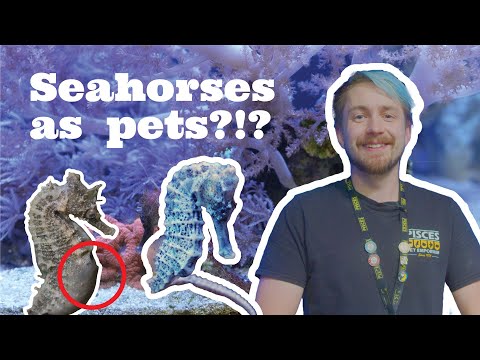
Keeping seahorses takes time, money, and a steady hand with tank care. You’ll need a saltwater setup, stable water chemistry, and reliable food sources if you want them to stay healthy.
Legal Considerations and Conservation Status
Before you buy, check your local laws. Some seahorse species have protection under national or international rules.
For example, a lot of Hippocampus species show up on trade lists that limit wild collection.
Buy only from sellers who can prove legal collection or captive breeding. Captive-bred seahorses usually come with paperwork or a clear chain of custody.
Wild-caught animals might need permits and can put wild populations at risk.
Support conservation programs if you get the chance. Some groups work hard to protect habitats and keep an eye on seahorse populations.
When you pick legally traded, captive-bred seahorses, you help take pressure off wild stocks.
Captive-Bred vs Wild-Caught Seahorses
Captive-bred seahorses usually handle aquarium life much better. They eat frozen mysis shrimp more easily, travel with less stress, and tend to carry fewer parasites.
Wild-caught seahorses might cost less upfront, but you’ll pay more in time and risk. They often need quarantine, special feeding routines, and careful water quality.
They can also come from fragile wild populations, which isn’t great for conservation.
Always ask sellers about how they raised the seahorses and what they’ve been eating. Look for species like Hippocampus erectus or dwarf lines that breeders raise in captivity.
Going with captive-bred seahorses just makes sense for you and for wild seahorses.
Choosing the Right Seahorse Species
Pick a species that fits both your tank and your experience level. Some common choices: Hippocampus erectus (they’re bigger and a bit more forgiving), dwarf seahorses like Hippocampus zosterae (super tiny, need really calm systems), and potbelly or tiger-tail types if you want something visually different.
Match your tank size to your species. A pair of larger seahorses needs at least 30 gallons and plenty of height.
Dwarf seahorses can live in smaller tanks, but you still have to keep the water stable and the flow gentle.
Don’t keep seahorses with fast, aggressive fish.
Think about diet and compatibility too. Some species take frozen mysis shrimp right away, while others need live foods at first.
Pick species with a good captive-breeding record to boost your odds of success.
Ethical Seahorse Ownership
Plan for the long haul before you buy. Seahorses can live several years if you care for them well, so you’ll need to budget for equipment, food, and maybe even vet visits.
You’ll have to test the water every week and feed small frozen mysis shrimp a few times a day.
Set up your tank with low flow and lots of vertical holdfasts—think live rock, macroalgae, or even fake vines—so your seahorses have places to anchor.
Skip flashy decor that might disrupt feeding or cause injury.
If you plan to breed seahorses, get ready for a lot of babies and have a plan to care for or rehome them.
Support sustainable practices by buying captive-bred seahorses and backing conservation projects that protect their habitats.
Seahorse Care and Aquarium Setup
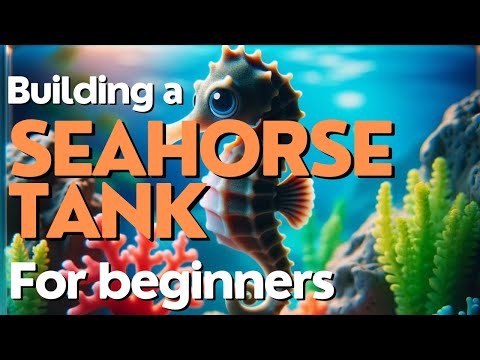
You’ll need a stable tank with gentle flow and frequent water checks. Feed mostly mysis shrimp.
Pick calm tank mates and give your seahorses places to hold onto, like live rock or artificial seagrass.
Seahorse Tank Requirements
Go for at least a 30-gallon rectangular tank for one or a pair. Add 10–20 gallons for each extra seahorse.
Rectangular tanks give them more swimming space than tall ones. Add plenty of vertical holdfasts—live rock, stiff macroalgae, or fake seagrass work well and mimic their natural homes.
Use low-to-moderate lighting if you want soft corals. Always put on a lid—seahorses can and do jump.
For filtration, use a sponge filter or a gentle canister outflow with biological media to keep ammonia and nitrite at zero. Keep the substrate minimal so detritus doesn’t pile up.
Water Quality and Maintenance
Keep the temperature between 72–78°F and specific gravity from 1.020–1.025. Test for ammonia, nitrite, nitrate, pH (7.8–8.4), and salinity twice a week at first, then weekly once things settle.
Use a good heater and a hydrometer or refractometer.
Change out 10–20% of the water every week to keep nitrates down and add back trace elements.
Rinse your filter media in tank water, not tap water, to protect the good bacteria.
Watch out for gas bubble disease after big water changes, and avoid sudden swings in water parameters.
Good filtration and regular testing really matter for seahorse health.
Feeding and Dietary Needs
Feed mainly frozen mysis shrimp. That’s the best staple for nutrition.
Offer enriched frozen mysis 2–3 times a day for adults. For juveniles, add some frozen brine shrimp, copepods, or rotifers here and there.
Live foods can help train picky eaters and get them hunting naturally.
If you keep faster fish, use a feeding tube to target food just to your seahorses.
Feed only what each seahorse eats in about 5–10 minutes so you don’t foul the water.
Watch their weight and belly shape—a well-fed seahorse has a rounded belly and a good appetite.
Compatible Tank Mates and Social Behavior
Pick slow, peaceful species that won’t leave seahorses scrambling for food. Small gobies, some blennies, cleaner shrimp, and certain pipefish usually get along well since they like similar water flow and have matching feeding habits.
Skip fast or aggressive fish like tangs, most angelfish, and many wrasses. Those guys tend to stress out seahorses or even cause injuries.
Keep an eye on how everyone’s acting in the tank. Seahorses sometimes form pairs and might even breed if they’re comfortable.
You’ll notice healthy seahorses perching calmly, eating regularly, and, if paired up, maybe even showing off with some courtship dances. If you spot any fish nipping, chasing, or snatching food, it’s best to move them out—otherwise, your seahorses could end up stressed and more likely to get sick.


