
You can buy a seahorse, but owning one means you’ll need to follow certain rules and meet some pretty real care requirements. Before you bring a seahorse home, check your local laws and always choose captive-bred animals to avoid legal trouble or harming wild populations.

If you want a seahorse as a pet, get ready to set up a tank that feels like their natural home. You’ll need to keep water quality steady and offer them live or frozen foods.
Let’s dig into whether you can legally buy one, how to find a responsible source, and what it really takes to care for these little guys every day.
Is It Possible to Buy and Own a Seahorse?
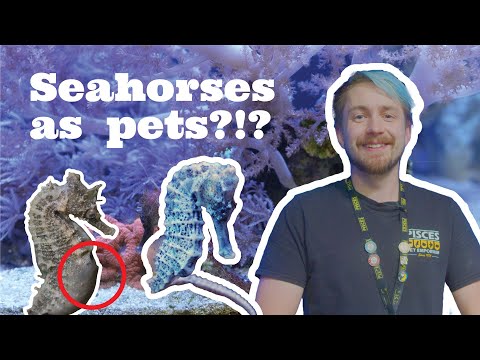
You can own a seahorse if your local and federal rules allow it, you choose a good source, and you can meet their special care needs. Seahorses need stable water, peaceful tank mates, and usually a saltwater setup that fits their species.
Legal Considerations and Ownership Regulations
Check your federal and state rules before buying. Many seahorse species show up on CITES Appendix II, so you’ll need permits for international trade.
If a species appears on the Endangered Species Act, you might need a federal permit or even find that it’s completely off-limits for possession or transport across state lines.
State laws can be all over the place—some ban certain marine wildlife, others ask for exotic-pet permits. Contact your state wildlife or fish and game agency to get the details on permits and fees.
If you want to import or move a seahorse between states, confirm all CITES and ESA paperwork with the seller.
Always ask for legal documents from the seller. Keep your receipts and permits handy, just in case someone asks.
Choosing Captive-Bred vs. Wild-Caught Seahorses
Go for captive-bred seahorses whenever you can. Captive-bred ones handle aquarium life better and help protect wild seahorse populations.
Wild-caught seahorses might bring parasites or get stressed from being collected and shipped. You’ll probably need to quarantine them and pay extra attention to feeding and care.
If you buy wild-caught seahorses internationally, you’ll need the right CITES paperwork. Buying them without it can get you in legal trouble.
Ask for proof—breeding certificates for captive-bred or CITES/export permits for wild-caught. Stick with species that thrive in captivity, like some Hippocampus types, instead of rare or threatened ones.
Finding Reputable Seahorse Sellers
Look for specialized marine breeders, trusted reef stores, or online retailers with solid reviews. Good sellers will share where the seahorse came from, offer health guarantees, and explain their quarantine process.
Ask these questions:
- Is this seahorse captive-bred or wild-caught?
- Can you show breeding certificates or CITES paperwork?
- What species is it, and what tank setup do you recommend?
- Do you offer a health guarantee or return policy?
Walk away from sellers who won’t provide documents or who push for a quick sale. Local marine clubs and online hobby forums can help you find trustworthy breeders.
You might also want to connect with aquarists who focus on seahorse conservation and proper care.
The Cost of Purchasing Pet Seahorses
Buying a seahorse means costs beyond just the animal itself. Prices vary—a captive-bred juvenile usually costs less than a rare or wild-caught adult.
Expect to pay anywhere from a modest amount to quite a bit, depending on the species.
Don’t forget equipment: you’ll need a saltwater tank, heater, protein skimmer, live rock, substrate, and a solid filter. That alone can run several hundred to over a thousand bucks.
There’s ongoing stuff, too—frozen or live food (like mysis shrimp), water test kits, salt mix, and electricity.
You might need a quarantine tank and maybe even vet care. Time matters, too—feeding can be a daily job, and some species might need hand-feeding or special attention.
If you want more legal info on permits and interstate rules, check out this guide to seahorse ownership and laws.
Caring for Your Pet Seahorse

You’ll need a stable tank, regular feeding, and consistent water care to keep seahorses healthy. Expect to buy specific equipment, pick calm tankmates, feed them small meals often, and watch water quality and behavior closely.
Setting Up a Seahorse Tank
Pick a tank size based on your seahorse species. At least 20 gallons works for a pair of lined or dwarf seahorses, but you’ll want 30–50+ gallons for bigger or multiple pairs.
A tall tank is better—they like to move up and down. Keep water flow slow and gentle, so use low or baffled powerheads since seahorses aren’t strong swimmers.
Add plenty of hitching posts like macroalgae, gorgonians, or fake coral for them to grab onto. Use fine sand or even no substrate; don’t stir up the bottom too much.
Set up a reliable protein skimmer and a gentle filter (hang-on or canister works). Keep the temperature steady—72–78°F for temperate types and 75–82°F for tropical ones. Maintain salinity at 1.020–1.024.
Cycle your tank fully before adding any animals. Quarantine new seahorses for 2–4 weeks to keep diseases out.
Different species have different needs, so do your homework before you buy. For more tips, check out this seahorse care guide from Chewy.
Daily and Long-Term Seahorse Care
Feed adults small meals two or three times a day. Juveniles need to eat more often.
Watch how they eat every day so you’ll notice changes or signs of sickness early. Remove any leftover food within an hour to keep water quality up.
Change 10–25% of the water every week to keep nitrates low. Test ammonia, nitrite, nitrate, pH, and salinity twice a week at first, then weekly once things settle down.
Clean filters and swap out mechanical media, but don’t scrub away all the good bacteria. Keep lighting moderate—seahorses don’t need bright lights, but some algae and copepods are helpful.
Pick tankmates carefully. Small gobies, some blennies, and shrimp can work, but avoid fast or aggressive fish that might outcompete seahorses for food.
Track their growth and behavior. Captive seahorses can live anywhere from one to five years, depending on the species and how well you care for them.
Feeding Requirements and Diet
Give them a varied diet. Live or frozen mysis shrimp is the main food.
Enrich mysis with vitamins, and use enriched frozen mysis if live food isn’t available. Some seahorses will also eat frozen amphipods, copepods, or enriched brine shrimp, but mysis is the best for nutrition.
Feed small portions so they can finish within an hour. Use a pipette or turkey baster to target-feed near their snout.
Adults should eat two or three times a day. Juveniles need four to six meals daily. Keep an eye on their body—tight skin and belly shape show if they’re getting enough.
If you keep dwarf seahorses, they need a constant supply of tiny live copepods or enriched rotifers when they’re young.
Skip pellets or flakes—most seahorses just won’t touch them. For more feeding info, check out this PetMD guide on keeping healthy pet seahorses.
Health, Lifespan, and Breeding Basics
Keep an eye out for signs your seahorse isn’t feeling well. If it stops eating, seems sluggish, passes white feces, or starts swimming oddly, something’s probably wrong.
Act fast if you notice external parasites or a bacterial infection. Use only vet-approved meds that won’t harm your seahorses or their tankmates, and remember to pull the carbon from your filter before you treat the tank.
Seahorses don’t all live the same amount of time. In captivity, most make it somewhere between 1 and 5 years, depending on the species and how well you care for them.
Bigger species, or those that get really good care, tend to stick around longer. If you’re thinking about breeding, know that males carry the eggs in a brood pouch—pretty wild, right?
Set up a separate breeding or quarantine tank ahead of time. You’ll need plenty of copepods and live foods for the fry if you want them to make it.
Jot down your water test results, what you feed, and any health changes you spot. It helps you catch problems before they get serious.
Stable water, regular partial water changes, and steady feeding—these basics give your seahorses the best shot at a good life.


