
Can chimps recognize faces? Absolutely—chimpanzees can spot the faces of other chimps, even after years apart. This skill lets them keep up with friends and family in their tight social circles.
It’s a big deal for their survival and relationships.
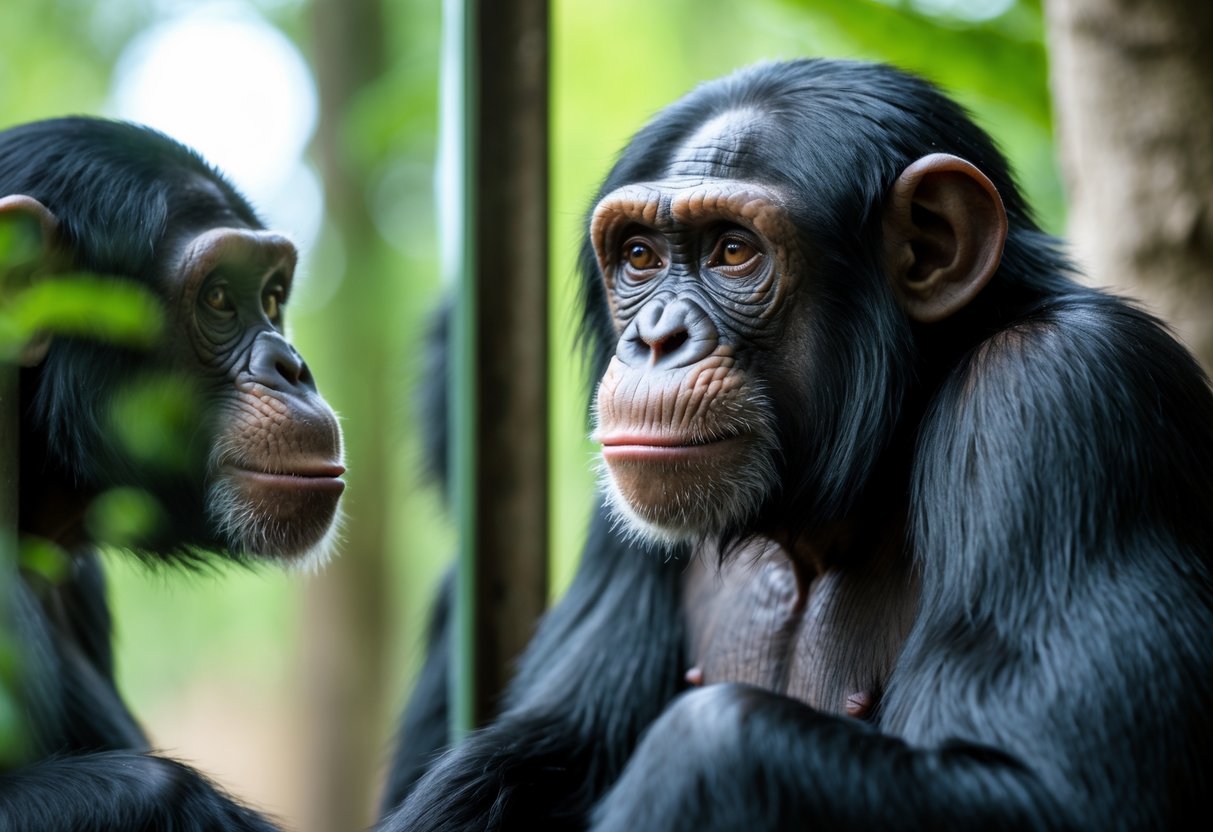
It’s kind of wild, but chimps really do remember faces for decades, just like we do. Scientists have noticed chimps staring longer at faces they recognize, which says a lot about their memory.
This sort of social memory is pretty rare in animals. It really highlights just how clever chimps are.
If you’ve ever wondered how close chimp memory is to ours, you’re not alone. Digging into how chimps recognize faces also gives us hints about how humans picked up similar skills.
It’s honestly a fascinating peek into minds so much like ours.
Chimpanzees’ Ability to Recognize Faces

Chimpanzees have a knack for recognizing faces, even after years apart. Their memories work a lot like ours, letting them spot friends and family.
Scientists have backed this up with studies. Chimps can tell the difference between familiar faces and strangers.
Scientific Evidence for Facial Recognition
Research shows chimps quickly pick out the faces of other chimps and even humans. Laura Lewis, a comparative psychologist, studied how chimps react to pictures of familiar and new faces.
Chimps tend to stare longer at faces they know.
This behavior shows they recognize individuals, not just general shapes. Scientists recorded their eye movements and saw that chimps focus on key facial features.
This skill helps them keep track of relationships and friendships in their groups.
Long-Term Memory of Faces in Chimps
One thing that’s honestly amazing—chimps remember faces for decades. Some studies found that male chimps recognized friends they hadn’t seen in over 20 years.
That kind of long-term memory is rare in the animal world.
It’s like they carry a mental photo album of friends and family. This helps them stay connected, even after years apart.
It also supports their complicated social lives, whether in the wild or in captivity.
Differences Between Familiar and Unfamiliar Faces
Chimps treat familiar faces differently from strangers. When you show them photos, they spend more time looking at faces tied to good memories.
So, if you’ve been kind to a chimp, there’s a good chance it’ll remember you.
Familiar faces get extra attention because they mean safety or friendship. Unfamiliar faces get just a quick glance—they don’t really matter as much.
This difference helps chimps manage their social world and steer clear of threats.
You can check out more about these skills in studies on chimpanzees’ social memory.
Evolutionary and Comparative Perspectives

Looking at how chimps and bonobos recognize faces really helps us understand their social lives. It also gives us something to compare with other primates.
This kind of memory shapes how they interact with friends and family. Face recognition is just one way animals figure each other out and build bonds.
Chimpanzees Versus Bonobos in Face Recognition
Chimpanzees and bonobos are close cousins, but they show some differences in face recognition. Both remember faces for years—sometimes decades.
Chimps seem to rely on recognizing familiar faces to hold their social groups together. Bonobos do this too, but their social interactions are usually more peaceful.
Studies show both species spend more time looking at faces they know. That points to strong social memory in both.
Bonobos might use this skill more in big group settings. Chimps may lean on it to handle more competitive social hierarchies.
That difference really shows in their unique behaviors, even though both depend on face recognition.
Other Cues for Recognition in Primates
Face recognition isn’t the only trick up a primate’s sleeve. Chimps and bonobos also use scents, vocal sounds, and body movements.
These extra clues help them figure out who they’re dealing with, especially if they haven’t seen the face in a while.
For example, some ape groups use scent marking to add another layer to recognition. Vocal calls carry emotional and personal info that helps them stay connected in thick forests.
All these cues together help animals recognize friends and family, even if one sense—like sight—gets blocked.
Implications for Animal Social Behavior
Chimps and bonobos actually rely on faces to build trust and dodge conflicts. Spotting a familiar face can make all the difference—it signals safety, maybe even a chance for cooperation.
This knack for face recognition helps them remember allies and moments from the past. It’s what keeps their complex social groups running smoothly.
Animals use this skill to form friendships and, sometimes, rivalries. They keep track of family ties and shared history, which is honestly pretty impressive.
Chimps and bonobos use these memories to find their way through social networks that can last for years. Without face recognition, their social lives would probably fall apart.
Curious about how well chimps remember faces after all those years? Take a look at chimps remembering old friends and family for decades.


