
Ever watched a bumblebee buzzing close by and wondered if it might bite or sting you? Here’s the deal: bumblebees don’t bite people, but female bumblebees can sting when they feel threatened. Thankfully, they usually sting only to protect themselves or their nests.

Most bumblebees just want to collect pollen and go about their business. They tend to leave you alone unless you accidentally disturb them or get too close to their home.
If you know when and why bumblebees sting, you’ll have a much easier time enjoying the outdoors. Let’s get into how these gentle pollinators behave and what you can do if you end up on the wrong end of a sting.
Can Bumble Bees Bite or Sting You?
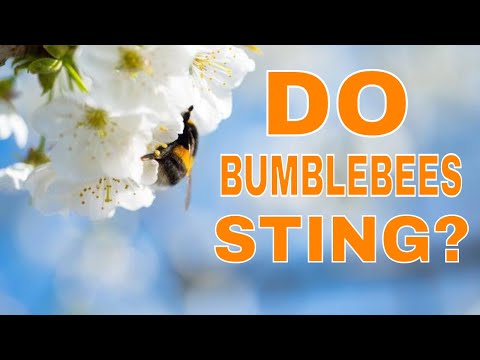
Bumble bees can defend themselves if they feel threatened, but they’d rather not sting or bite you. Not every bumblebee can sting, and their stings and bites actually serve different purposes.
Knowing these little facts can help you stay calm when they’re around.
Do Bumble Bees Sting or Bite?
Bumble bees can sting, and sometimes they bite. Stinging is their main way to defend themselves.
They usually sting only if you disturb them or their nest. Biting is pretty rare, and if it happens, it’s usually just for holding onto something or defending themselves.
Bites don’t inject venom, so you won’t feel pain like you would from a sting.
Most of the time, bumble bees just fly around, collecting nectar and ignoring you. If you stay calm and move slowly, you’re less likely to get stung.
You can read more about how often bumble bees sting and bite at this detailed article.
Differences Between Stinging and Biting
Stinging and biting mean different things for bumble bees. When a bumble bee stings, it uses a smooth stinger to inject venom.
You’ll feel pain and swelling where you get stung. Since their stinger is smooth, bumble bees can sting you more than once without hurting themselves.
That’s not the case for honeybees, who lose their stinger and die after stinging.
Biting, though, is harmless for humans. There’s no venom involved—it’s just for grabbing or defending.
Bumble bees almost never bite as an attack.
Here’s a quick comparison of stinging and biting:
| Action | Purpose | Venom | Pain Level | Frequency |
|---|---|---|---|---|
| Sting | Defense | Yes | Painful | Can sting many times |
| Bite | Grip or defense | No | Usually not painful | Rare |
Want more details? Check this resource.
Who Can Sting: Female vs. Male Bumblebees
Only female bumble bees can sting you. That includes both worker bees and the queen.
Their stingers are part of their defense system.
Male bumble bees, or drones, don’t have stingers at all. They can’t sting you, no matter what.
Females usually sting only if they feel threatened or if you mess with their nest.
If you want to dig deeper, take a look at this explanation about female and male bumble bees.
How and Why Bumble Bees Sting

Bumble bees sting mainly to protect themselves or their nest. They don’t go around stinging for no reason.
When they do sting, the pain and symptoms are a bit different from what you’d get from honeybees or wasps.
When Bumble Bees Sting and Why
You’ll probably only get stung if you get too close to a bumble bee nest or try to handle one. Bumble bees sting to defend themselves or their colony.
They aren’t aggressive and won’t attack unless they feel threatened.
If a bumble bee feels scared or trapped, it’ll use its sting to protect itself. You can avoid stings by staying calm and not making sudden moves near them.
Unlike wasps or hornets, bumble bees don’t chase after people.
What Happens After a Bumblebee Stings
When a bumblebee stings, it injects venom into your skin. This can make the area red, swollen, or itchy.
You might notice a sharp pain right away. Most of the time, bumblebee stings aren’t dangerous unless you have allergies.
The sting’s effects usually fade after a few hours or a couple of days. Washing the area and using ice or a cream can help with pain and swelling.
Pain and Symptoms of a Bumblebee Sting
A bumblebee sting hurts, but honestly, it’s usually less painful than a wasp sting. You’ll feel a quick sharp pain, then some swelling and redness.
The spot might stay tender for a day or two.
Some people get mild itching or a small rash. If you have severe swelling, trouble breathing, or dizziness, get medical help right away—those could be signs of an allergic reaction.
Can Bumble Bees Sting Multiple Times?
Yep, bumble bees can sting you more than once. Their stingers don’t have barbs, so nothing gets stuck in your skin—unlike honeybees.
Bumble bees don’t die after stinging. That’s a big difference between them and honeybees.
They really only sting if they feel threatened or need to defend themselves. Still, since they’re able to sting several times, you should probably give them some space if you spot one buzzing around.
If you’re curious and want more details, check out bumble bee stings and pain or read about what happens when a bumble bee stings you.


