
You can keep a seahorse as a pet, but honestly, it takes some serious planning, a steady budget, and a tank that’s just right for them.
Seahorses need very specific water, a consistent diet, and a setup made for their needs, so they’re really best for folks who want to commit to special care.

If you’re drawn to slow, quirky fish and want something totally different from the usual aquarium crowd, seahorses might surprise you with their personality.
This article will walk you through what owning one actually means, how much effort it takes, and what a real seahorse tank looks like—so you can figure out if this pet makes sense for your life.
Can a Seahorse Be a Pet? Understanding Seahorse Ownership
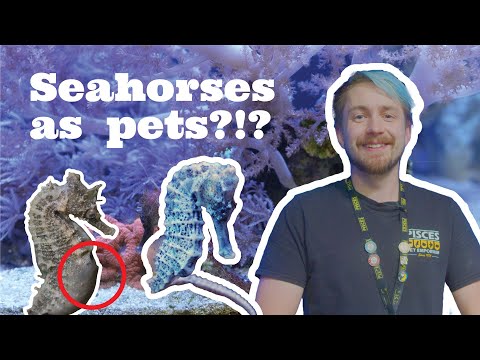
Seahorses need stable water, special food, and careful sourcing.
Before you buy or adopt one, you’ll need to plan for tank size, their diet, and the legal stuff.
Popular Pet Seahorse Species
You’ll usually find three main types in the hobby: big ones like the lined seahorse (Hippocampus erectus), tiny dwarf seahorses (Hippocampus zosterae), and medium-sized types like tiger tail or longsnout varieties.
Lined seahorses reach around 4–7 inches and need a bigger tank plus a mixed diet.
Dwarf seahorses stay under 2 inches and eat micro-prey, so they need very calm tankmates.
Tiger tail and longsnout seahorses come in different sizes and feeding needs—check care guides for the exact species.
Match the species to your tank size and how much time you have for feeding.
Bigger seahorses eat more frozen or live mysis shrimp.
Dwarfs need live copepods and frequent meals.
Go for captive-bred seahorses if you can—they survive better and adjust to tanks more easily.
Legal Considerations and Sourcing
Laws change depending on where you live.
Some places ban wild-caught seahorses or require permits.
Federal laws and CITES can control the import and export of Hippocampus species.
Check your local rules before you buy.
Choose captive-bred seahorses to help wild populations and avoid extra health risks.
Ask sellers for breeding certificates or proof the seahorse was legally bred.
If you end up with a wild-caught seahorse, you’ll probably have a harder time getting it settled and might need extra paperwork.
Keep all purchase records and any permits handy just in case.
Seahorse Behavior and Temperament
Seahorses move slowly and hunt by ambush.
They love hitching onto macroalgae or fake holdfasts.
Set up your tank with low flow and peaceful tankmates—think gobies or snails.
Skip aggressive or fast feeders that will steal their food.
You’ll probably see pair bonds and courtship in many Hippocampus species.
Males carry eggs and need a calm tank to breed.
Seahorses can be shy and get stressed easily, so avoid bright lights and sudden noise.
Feed them on a schedule and keep the water clean so they’ll show their best behavior and stay healthy.
Seahorse Care and Aquarium Setup

Seahorses need a calm, steady tank with vertical holdfasts, clean water, and small, frequent meals.
You’ll want to set up a tank with gentle current, stable water, and plenty of live rock or plants for them to hold onto and hide.
Essential Tank Setup Requirements
Pick at least a 30–40 gallon tank for a pair of seahorses.
Taller tanks work better since seahorses like to cling to vertical things.
Add solid holdfasts—live rock, macroalgae, or fake gorgonians—so they can anchor themselves.
Use a gentle filter that gives good biological filtration but keeps the flow low.
Hang-on-back filters with sponge pre-filters or canister filters with adjustable flow work well.
Position powerheads away from their main swimming area or use spray bars to soften the current.
Put in a heater and a reliable thermometer.
Keep the temperature between 72–78°F (22–26°C) unless your species needs something different.
Use moderate lighting for live rock and macroalgae—not super bright reef lights.
Water Quality and Maintenance
Test salinity, ammonia, nitrite, nitrate, and pH twice a week until things settle, then test weekly.
Keep salinity between 1.020–1.025 and pH around 8.1–8.4.
Ammonia and nitrite should always read 0 ppm.
Try to keep nitrates under 20 ppm.
Do partial water changes of 10–20% every week to get rid of waste and uneaten food.
Use a siphon to clean up detritus from the substrate and around rocks.
Remove uneaten food every day to keep ammonia and nitrate from spiking.
Run a protein skimmer if your tank builds up a lot of organic waste.
Quarantine new fish or inverts before adding them to the tank to avoid parasites.
Keep the water flow gentle—strong jets will just stress your seahorses out and make feeding harder.
Feeding and Nutrition
Feed frozen mysis shrimp as their main food.
Offer thawed mysis two or three times a day for adults.
Try a feeding station or put food in a small dish so it doesn’t drift away.
Seahorses eat lots of small meals, so plan for several feedings a day.
For variety, you can give enriched brine shrimp to juveniles and sometimes copepods or special pellets if they’ll take them.
Make sure the food fits their snout—big chunks just get ignored.
Defrost frozen food completely and rinse it to keep the water cleaner.
Watch how much they eat and check their body condition.
If a seahorse stops eating, try hand-feeding with tweezers or target-feeding with a syringe.
Keep feedings short and frequent to help maintain water quality.
Health Issues and Disease Prevention
Keep an eye out for common problems like bacterial infections, parasites, or gas bubble disease. Gas bubble disease usually shows up as bubbles under the skin or in the fins. It tends to pop up after poor water quality or if the tank gets rapidly supersaturated.
If you spot those bubbles, go ahead and check the oxygenation right away. Do a partial water change if things seem off.
Move any sick seahorses to a hospital tank so you can treat and watch them more easily. Try to keep the water parameters just right—stress can really make things worse for these guys.
Use medications that are safe for both seahorses and live rock if you need to treat parasites. Honestly, it’s best to talk to a vet or someone experienced about dosages.
You can head off a lot of disease by quarantining any new animals before adding them to your tank. Always remove uneaten food quickly, and keep those nitrates low.
Take a few minutes regularly to check for weight loss, color changes, or lethargy. If you notice anything off, jump on water issues or start treatment as soon as possible.


