
You can’t sell or trade dried seahorses in the UK unless you have strict paperwork and licences. Honestly, most commercial sales are illegal. If you spot dried seahorses for sale without obvious certification, it’s probably unlawful and definitely harms wild seahorse populations.
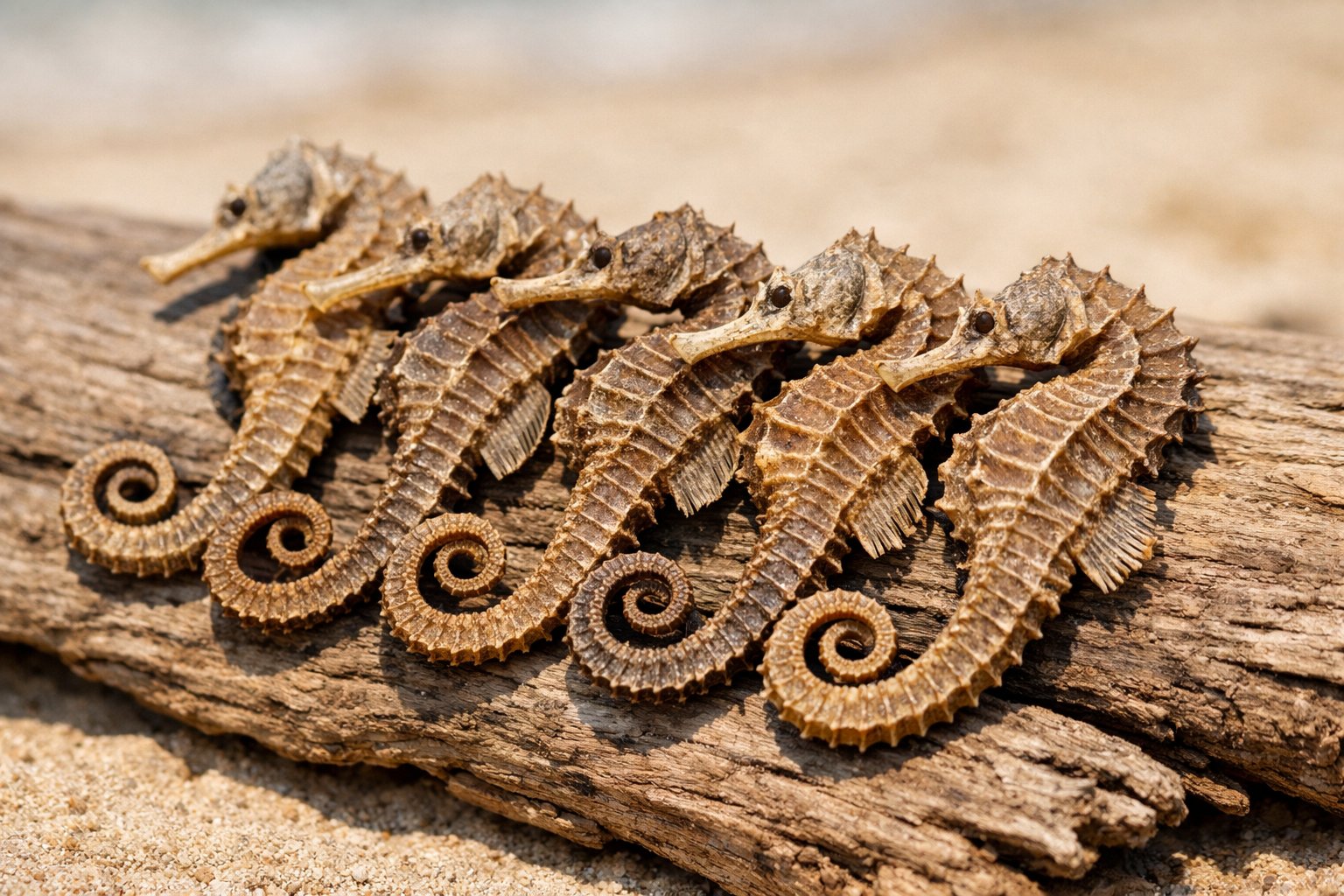
You might be wondering what laws actually apply, when permits matter, and why conservation groups and authorities care so much about stopping the trade. Let’s break down the UK rules, how people use and trade dried seahorses, and what that means for conservation and enforcement.
Legal Status of Dried Seahorses in the UK
People often move dried seahorses through international trade, but it’s illegal to buy, sell, or even possess them without the right paperwork. You’ll want to know which UK laws and international rules actually apply, and what kind of penalties you could face if you break them.
Relevant UK Wildlife Laws and Regulations
The Control of Trade in Endangered Species Regulations 2018 puts CITES rules into UK law. If you want to move dried seahorses across borders, you need a valid export or import permit.
Trying to bring them into or out of the UK without a permit? That’s an offence.
The Wildlife and Countryside Act 1981 protects native species, but you can still face prosecution under it if you sell protected items in ways that break wildlife laws. UK authorities lead enforcement and might seize items if your documentation is missing or clearly fake.
If you inherit or buy a dried seahorse that someone claims is pre-2002, you need solid paperwork proving it’s a pre-convention specimen. You have to prove it’s legal.
Keep any sale invoices, export permits, or receipts to show you’re in the clear.
CITES Appendix II and International Trade Controls
All Hippocampus species fall under CITES Appendix II, so trade is allowed but very tightly controlled. Any international commercial shipment of dried seahorses needs CITES permits from the exporter, plus entry paperwork for the UK.
If you import dried seahorses for commercial use, you must show the export was legal and sustainable. Authorities check shipment records, declaration forms, and permits.
Even countries that have banned or suspended exports can end up as sources for illegal shipments, so sellers and buyers have to double-check permits with authorities.
Project and seizure data reveal that huge volumes of dried seahorses move globally. Customs inspections and wildlife checks happen often.
If you’re thinking about cross-border trade, treat it as high risk unless you’re absolutely sure about the CITES paperwork.
Penalties for Illegal Trade and Possession
If you get caught trading or possessing dried seahorses illegally, you could face fines, confiscation, and even criminal charges for wildlife crime. UK regulations that implement CITES can lead to prosecution and big financial penalties.
The UK’s system ties into international trade enforcement, and courts look at the scale of trade, repeat offences, and whether sales targeted commercial markets. Authorities might also go after goods and carriers for civil forfeiture.
Trading or selling dried seahorses online or from a business puts you at real risk of targeted investigations. UK-based firms have already faced prosecutions after illegal sales or missing paperwork. If you’re not sure, just don’t buy or sell dried seahorses without verified permits.
Trade, Uses, and Conservation of Seahorses

Seahorses face heavy demand for medicines, curios, and aquaria. This trade affects many species and countries, and several groups work to protect wild populations.
Traditional Chinese Medicine and Global Demand
You’ll find dried seahorses are widely used in Traditional Chinese Medicine (TCM) as a tonic and for all sorts of remedies. Most dried specimens end up in TCM markets in places like mainland China, Hong Kong, Taiwan, and Singapore.
Traders value them for their shape and supposed healing qualities, though there’s really no proven medical effect.
Much of the trade involves wild seahorses caught as bycatch in trawls and gillnets. Project Seahorse and other research groups found millions of animals were traded each year before stricter controls came in.
This demand keeps driving illegal shipments and steady imports into big trade hubs.
Origins and Species Affected by the Dried Seahorse Trade
Many seahorse species from Asia, Africa, and the Americas end up in the dried trade. You might see names like the long-snouted seahorse or spiny seahorse, but they all fall under the genus Hippocampus.
Countries like Thailand, India, the Philippines, Mexico, and Vietnam used to export the most.
Seizures and trade records show traders source wild seahorses from non-selective fisheries, which really hurts local stocks. Some areas—like parts of West Africa and Southeast Asia—supply large volumes.
Project Seahorse research links declines in local catches to the relentless pressure from this trade.
Conservation Efforts and Protection Initiatives
Honestly, international rules and NGOs do a lot to fight harmful trade. Seahorses show up in CITES Appendix II, so countries have to get trade permits and keep an eye on international shipments.
Groups like Project Seahorse and local fisheries teams run surveys. They also work directly with communities to help cut down on bycatch.
Some countries stepped up—either banning exports or tightening their regulations. Still, illegal exports slip through in other places, and enforcement doesn’t always work as planned.
People are pushing for fishery reforms and trade suspensions under CITES. National plans try to protect coastal habitats and limit how many seahorses get harvested.
All of these efforts? They’re really about protecting wild seahorses and stopping the wildlife trafficking that puts Hippocampus populations at risk.


