
You may have noticed just how strong the bond can be between you and your dog. It’s common to feel connected to your pet, but becoming too attached is possible, which may lead to an unhealthy reliance on your furry friend. This attachment can impact your relationships and overall well-being.
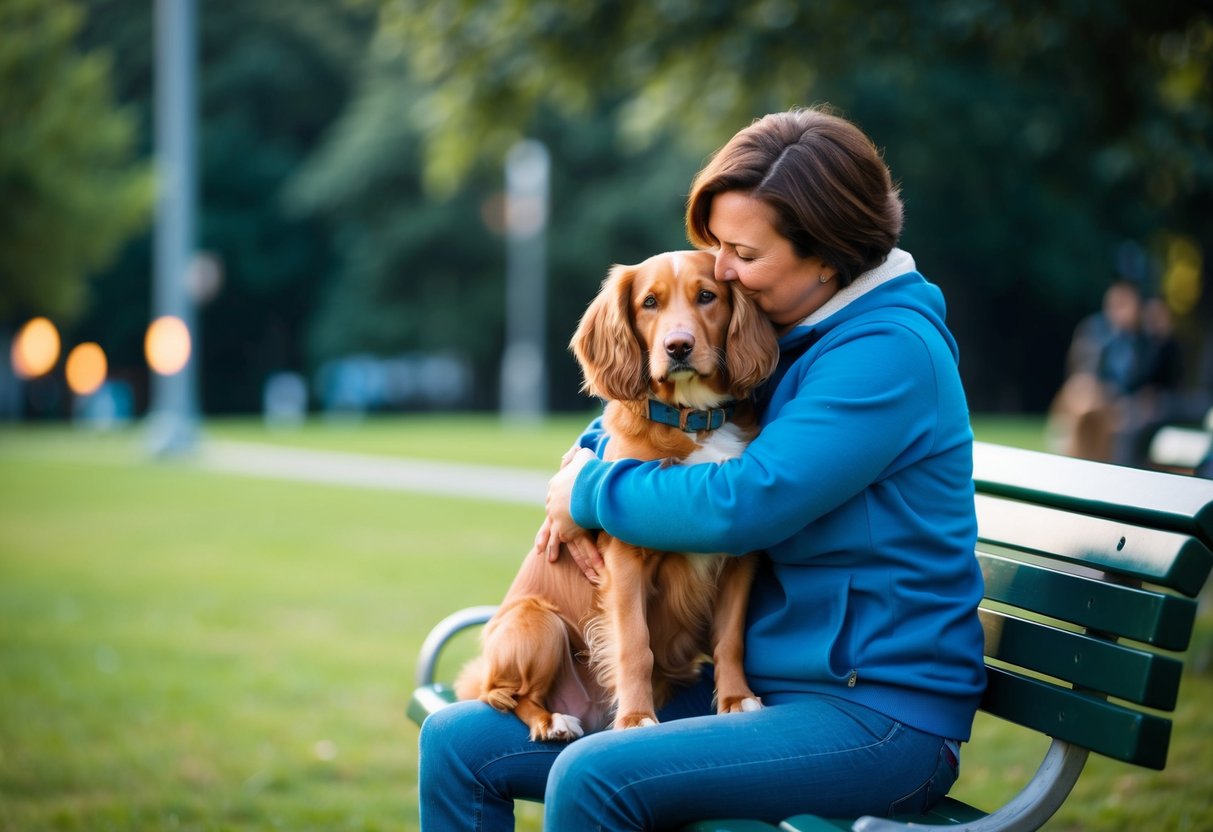
Many people view their dog as family, finding comfort in their companionship. While this is perfectly normal, there’s a fine line between a loving bond and an unhealthy attachment. If you’re unsure where you stand, exploring the signs of over-attachment can help you understand your relationship with your pet better.
As you read on, you’ll discover key indicators of a balanced relationship with your dog and learn how to foster a healthy bond. Understanding this can lead to a more fulfilling experience for both you and your pet.
The Psychology of Pet Attachment
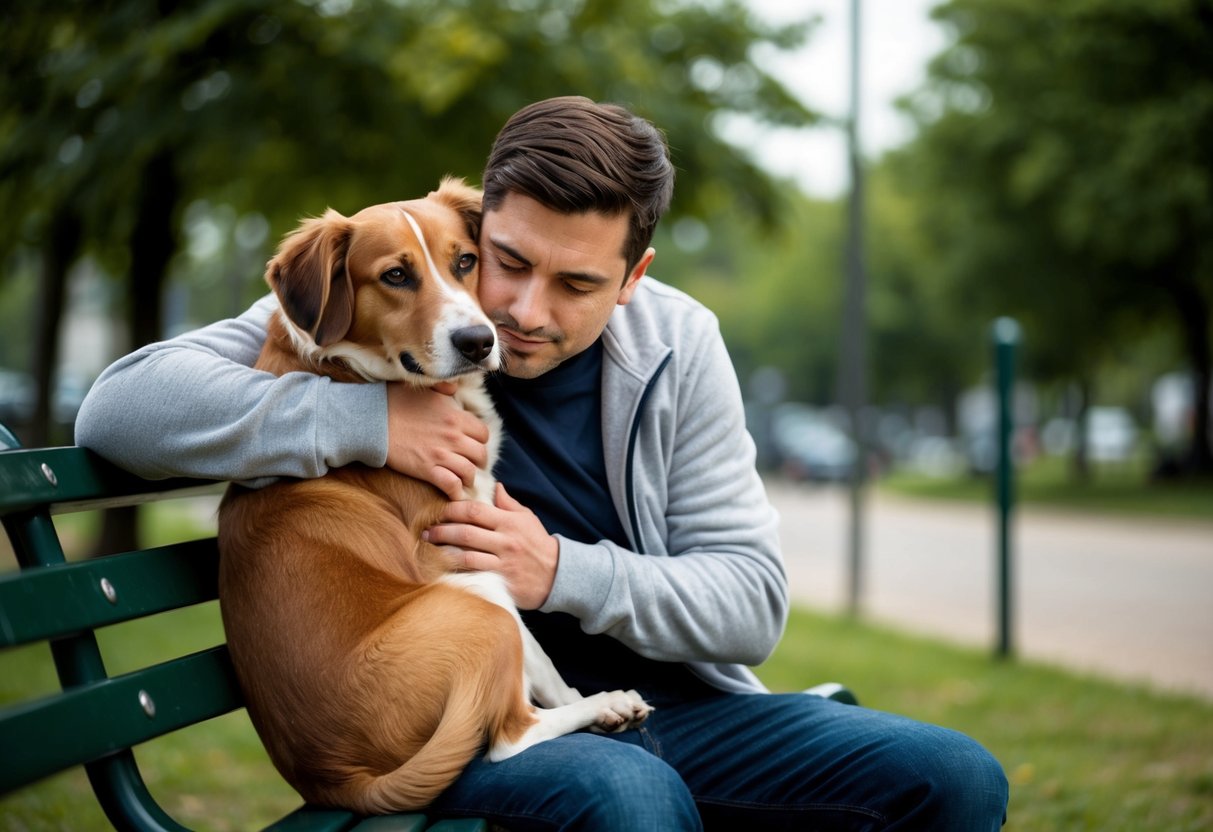
Understanding the emotional bond between you and your dog can offer insights into your relationship. Attachment theory helps explain how these connections form and the different styles individuals might exhibit with their pets.
Understanding Attachment Theory
Attachment theory looks at how humans form emotional bonds. John Bowlby developed it, and it suggests that early relationships shape your expectations in future connections.
In the context of pets, your relationship with your dog can reflect these patterns. A secure attachment style often leads to a strong, healthy bond. This could mean you feel comfortable expressing love and enjoying your dog’s company without anxiety.
In contrast, those with anxious attachment styles may feel worried about losing their pet’s affection. This can lead to over-dependence on your dog for emotional support. If you’re more of an avoidant attachment style person, you might keep your distance to protect yourself emotionally. Recognizing your style can be key to understanding your attachment.
Attachment Styles and Their Influence
Your attachment style greatly influences how you relate to your dog and other pets. With a secure attachment, you likely nurture a trusting relationship, allowing your dog to thrive and reciprocate affection.
If you lean towards an anxious attachment, you might need constant reassurance. This could manifest as clinginess or excessive worry about your dog’s happiness. These feelings can sometimes lead to stress for both you and your pet.
On the other hand, an avoidant attachment style can cause you to limit emotional engagement. You may care for your dog physically while keeping emotional distance. Understanding where you fit into these attachment styles can enhance your relationship with your pet and improve both your well-being and theirs.
Emotional Dynamics between Dogs and Owners

The bond between you and your dog can be deeply emotional. This connection often includes elements like unconditional love but can lead to challenges such as over-attachment or codependency. It’s important to recognize these dynamics for a healthy relationship.
The Concept of Unconditional Love
Your dog loves you without conditions. This kind of love helps build a strong bond. It includes loyalty, trust, and comfort. Dogs often seek your companionship, making them feel secure.
This love can create a sense of happiness for both you and your pet. Yet, too much reliance on each other can lead to issues. For instance, a dog may develop anxiety when separated from you. This is often called separation anxiety. Recognizing the balance between closeness and independence is key.
Recognizing Over-Attachment Signs
Seeing signs of over-attachment in your dog is crucial. A clingy dog may follow you everywhere. They might experience anxiety when you leave. Other signs include excessive barking, whining, or destructive behavior when you are away.
Watch for physical signs too. If your dog becomes overly excited or anxious when you’re preparing to leave, it may indicate dependence. Understanding these signals helps you address your dog’s needs. Training can foster independence and reduce their stress.
Codependency and Its Impact
Codependency can happen in the relationship between you and your dog. If you rely on your pet for emotional support or feel stressed when apart, this pattern can develop.
Your dog’s well-being may be affected if they feel the need to be with you all the time. For instance, they might struggle with social interactions with other dogs or people. This often happens if they’ve grown used to your constant presence due to changes in your routine, such as during the pandemic.
Recognizing and addressing codependency is important for both you and your dog. Providing them space and opportunities for independence can support a healthier dynamic. Consider gradually increasing time apart to help your dog feel more comfortable alone.
Improving Well-Being for Owners and Dogs
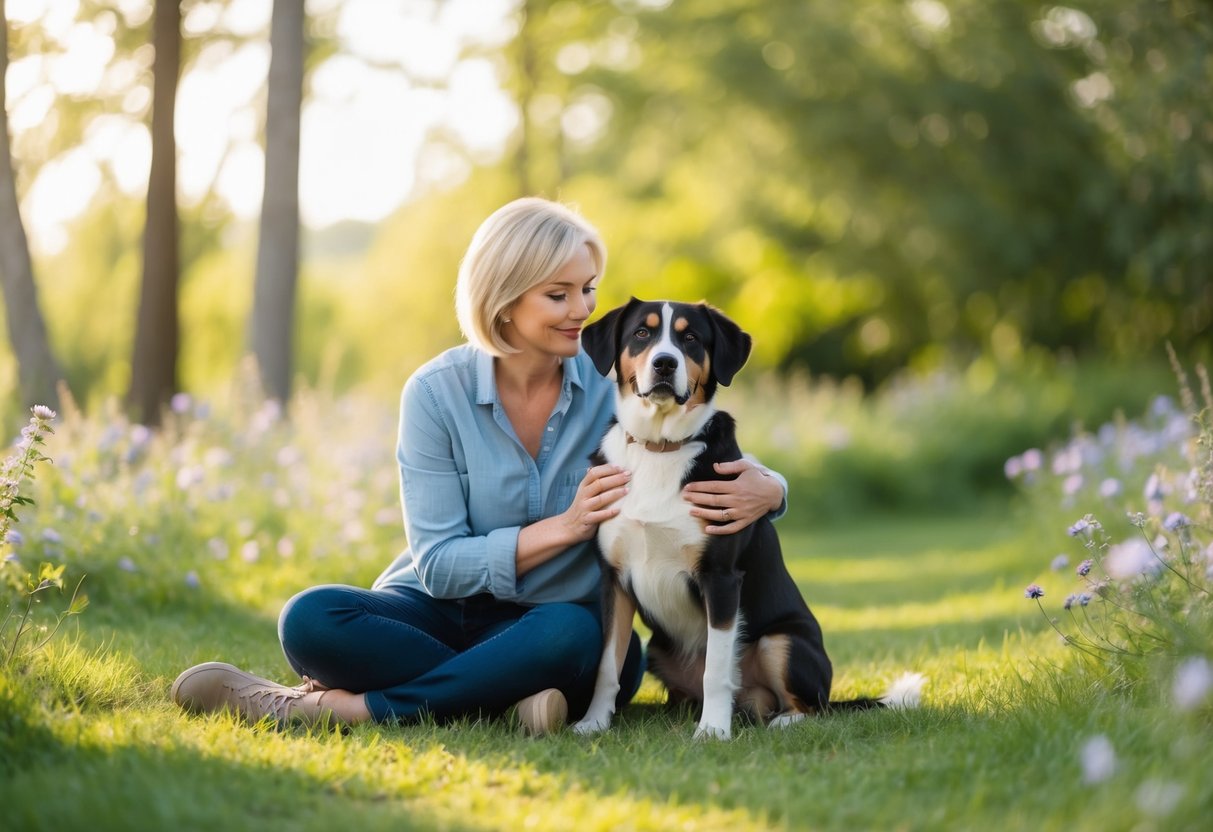
It’s important to find a balanced relationship with your dog. This can help both you and your pet feel more secure and relaxed. By addressing separation anxiety and building healthy attachment bonds, you can enhance your shared experience.
Strategies for Reducing Separation Anxiety
When your dog feels anxious when you’re apart, it can affect both your mental health and theirs. To help reduce this anxiety, start by practicing short separations. Leave your dog in a safe, comfortable space for a few minutes. Then, gradually increase the time apart so your dog learns that you’ll always return.
Create a calm environment with toys and comfort items. This can be especially helpful during your absence. Also, avoid dramatic goodbyes; keep them low-key to prevent extreme reactions. Consider using calming techniques like soft music or pheromone diffusers, which can ease your dog’s stress. Regular exercise can also help reduce anxious behaviors.
Establishing Healthy Attachment Bonds
Building a strong, healthy bond with your dog can improve both your well-being and theirs. Start by establishing routines. Consistent feeding, walking, and playtime give your dog structure. This helps them feel secure and nurtures their attachment to you.
Engage in positive interactions. Use treats and praise to reward good behavior. This not only strengthens your bond but also improves your dog’s confidence.
Spend quality time together through activities like training or exploring new places. Be mindful of your emotions too. Dogs are sensitive to human stress, so try to stay calm and relaxed when you’re with them. This creates a reassuring atmosphere for both of you.
Navigating Challenges in Dog-Human Relationships

Building a strong bond with your dog is important, but certain challenges can arise in this relationship. You may face issues related to dog bullying or the mental health of both you and your pet. Addressing these challenges can create a healthier dynamic.
Dealing with Dog Bullying and Behavior Issues
Dog bullying can occur in various forms, like aggressive barking or unwanted mounting. It’s crucial to recognize these behaviors early. If your dog is bullying others, consider these steps:
- Identify Triggers: Look for patterns in their behavior. Does it happen around certain dogs or environments?
- Professional Help: Hiring a dog trainer can provide tailored solutions. They can use techniques that work for your specific situation.
- Socialization: Introduce your dog to different social settings gradually. It helps them learn how to interact appropriately with others.
Remember, a calm and patient approach is vital. Your dog will respond better to positive reinforcement rather than punishment.
Supporting Mental Health in Owners
Your dog’s behavior can be greatly influenced by your mental health. If you find yourself overly attached or reliant on your pet, it might create stress for both of you.
Here are some strategies to maintain balance:
- Set Boundaries: Allow your dog to have independent moments. It’s healthy for both of you.
- Seek Support: Don’t hesitate to reach out to friends, family, or professionals if you feel overwhelmed. Sharing experiences can relieve anxiety.
- Engage in Activities: Participate in hobbies outside of your dog care routine. This can enhance your well-being and create a healthier mindset.
Taking care of your mental health can improve the relationship you have with your dog, leading to a more enjoyable companionship.


