
Ever wondered if a chimp and a bonobo could actually have a baby? You’re definitely not alone on that one.
These two primates look a lot alike and share a ton of DNA, so it’s tempting to think it’s possible. The short answer? Yeah, chimps and bonobos can sometimes interbreed and have offspring—especially when people keep them together in captivity.
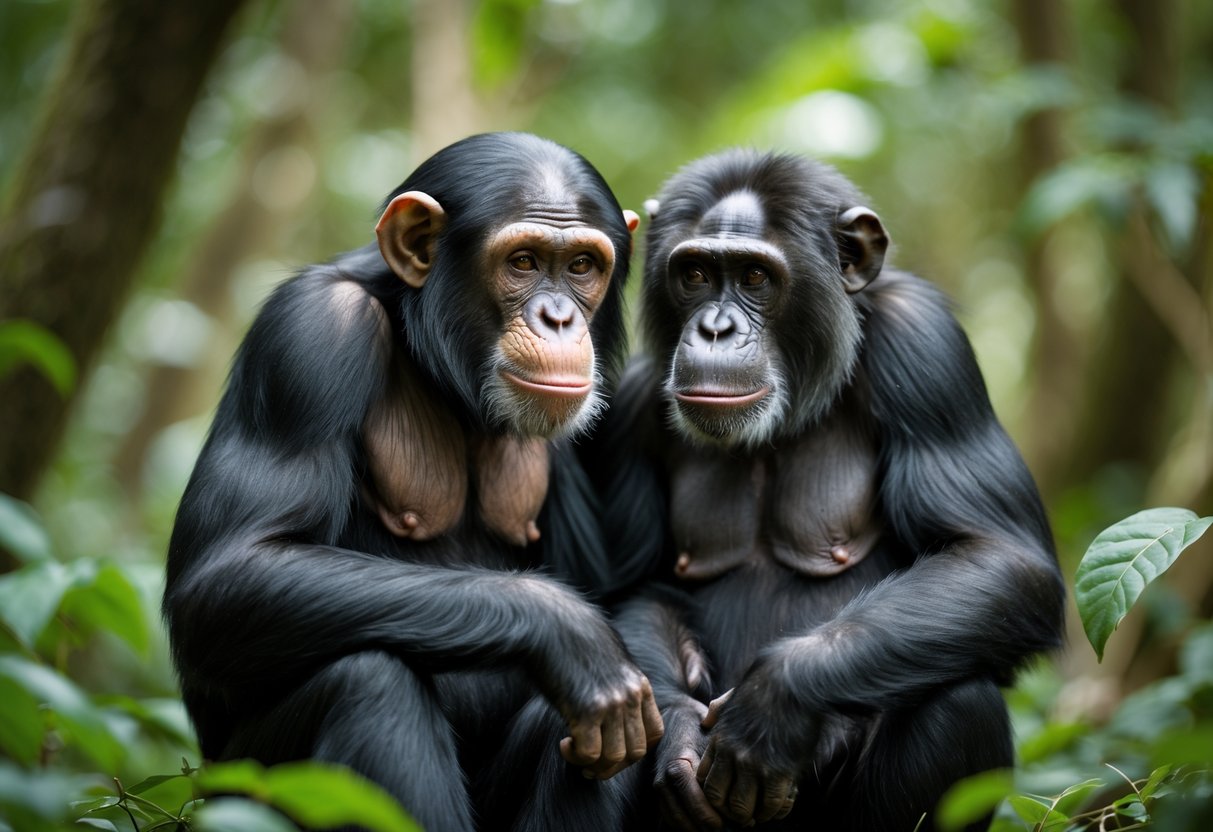
But out in the wild, the story changes. Their separate homes and very different social lives usually keep them apart.
Natural hybrid babies just don’t happen out there, or at least, it’s so rare that nobody’s seen it. This whole situation is honestly pretty fascinating and a little bit tricky.
So, why do these hybrids show up under human care? And what really sets chimps and bonobos apart, besides just how they look? There’s a lot more to it than you might think.
Can a Chimp and a Bonobo Have a Baby?
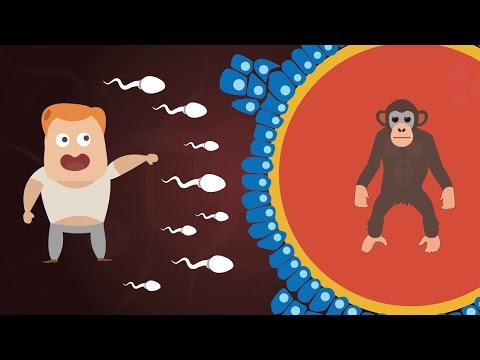
You might be curious if chimpanzees and bonobos can really have babies together, since they’re so closely related. Their genetics make some things possible, but there are also some real obstacles.
Let’s dig into what makes them compatible, where the differences pop up, and what science has found so far.
Genetic Compatibility Between Chimps and Bonobos
Chimpanzees and bonobos share about 99% of their DNA. That’s a massive overlap.
This close genetic link means their bodies and reproductive systems often match up enough for them to produce babies.
Both belong to the genus Pan, but they’re different species—Pan troglodytes for chimps, and Pan paniscus for bonobos. Their last common ancestor lived around 1.5 to 2 million years ago.
That’s enough time for some genetic quirks to develop, but not so much that they can’t sometimes mate. In captivity, where all the usual barriers disappear, they can mate successfully.
But their social habits and behaviors usually keep them separated in the wild, so natural hybrid babies just don’t happen.
Chromosomal Differences and Hybridization
Chimps and bonobos both have 48 chromosomes, which is pretty convenient if you’re thinking about hybrid babies.
But their chromosomes aren’t identical. Even when they do mate, hybrids usually run into issues like reduced fertility.
Their babies might not be able to reproduce when they grow up, which you see a lot with hybrids in other animals too.
The Congo River keeps chimpanzees and bonobos apart in the wild. That big river acts like a natural wall, stopping them from meeting and mixing.
So, hybridization almost never happens outside of human-controlled environments.
Scientific Studies on Chimp-Bonobo Mating
Researchers have tried breeding chimps and bonobos in zoos and labs. They’ve seen that mating can happen, and a few hybrid babies have been born.
Genetic studies even show a tiny bit of gene mixing. Less than 1% of chimp DNA contains bonobo genes, which suggests some hybridization happened a long time ago.
But nobody’s ever confirmed a wild hybrid. That kind of mating just doesn’t seem to happen naturally.
Hybrid chimps and bonobos don’t stick around as permanent populations, mostly because of those reproductive problems.
If you want to dive deeper, check out this research on chimp and bonobo hybridization.
Key Biological and Behavioral Differences
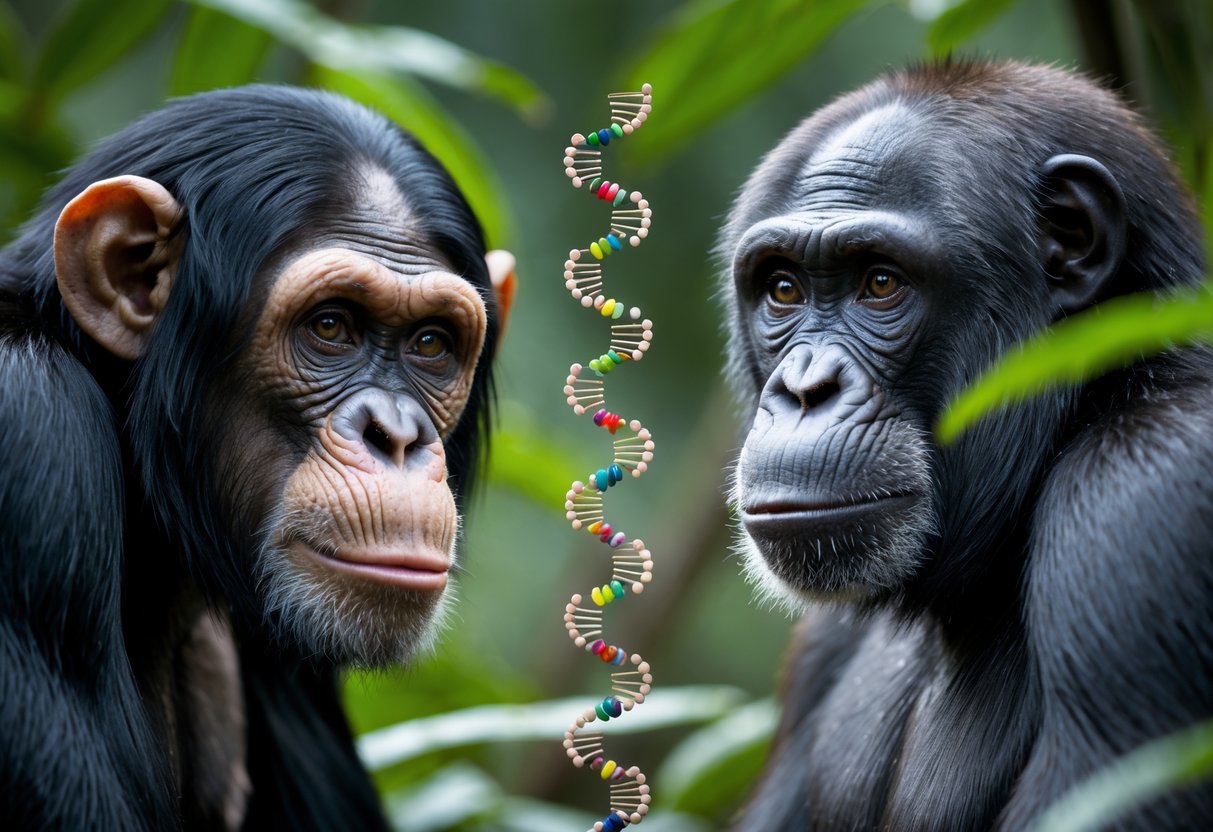
Chimps and bonobos might look similar at first, but they’re actually pretty different in how they look and act.
These differences shape everything from their social lives to the way they interact with each other. Taking a closer look helps you see why scientists call them separate species, even though they share so much DNA.
Taxonomy and Evolutionary Relationship
Both chimps and bonobos belong to the genus Pan. They split from a common ancestor about 1 to 2 million years ago.
The Congo River separated their habitats and forced each group to evolve on its own side. Even with about 98-99% shared DNA, they ended up as distinct species.
That’s why, in theory, they can mate. But after all that time apart, they’ve picked up unique traits that keep them from mixing in the wild.
Scientists have found a bit of gene swapping between the two species in the past. Still, natural interbreeding basically doesn’t happen anymore, thanks to their physical, social, and geographic differences.
Physical and Appearance Differences
Look closely and you’ll spot the differences. Bonobos are smaller and more slender than chimps.
For example, female bonobos weigh about 74 pounds, while female chimps can hit 93 pounds. Their faces stand out, too—bonobos have darker faces with pink lips, a smaller, flatter face, and longer legs.
Chimps have a more pronounced brow ridge and wider faces. Baby bonobos are born with dark faces, but chimp babies start out with pale pink faces that darken as they grow.
These physical differences line up with how they live and behave, which is honestly pretty neat.
Behavioral Distinctions and Social Structure
Chimpanzees and bonobos really don’t live the same way at all.
Bonobos hang out in peaceful, female-led groups. The females call the shots and often use social bonding—even sexual behaviors—to dodge fights and keep things calm.
Chimps, though, stick to male-dominated groups. Their world gets a lot more aggressive.
The males solve conflicts by showing off their strength or power. You can see how these different vibes keep them from mixing; chimps and bonobos just don’t cross paths in the wild because their habits push them apart.
Bonobos seem to prefer leaves and flowers. Chimps go for fruit most of the time.
These little habits add up, shaping totally different lifestyles and keeping each species in its own lane, even though they’re so closely related.
If you want to dig deeper, here’s a handy chimpanzee vs bonobo comparison.


