
Seahorses look delicate, don’t they? They’re built with thin, bony plates and don’t exactly win any swimming races—but that’s not the whole story.
Seahorses are fragile in some ways (they’re terrible swimmers and need really specific homes), but they’re surprisingly tough in others. They use camouflage, wrap their tails around stuff, and have some wild reproductive tricks to get by.

Let’s dig into why their bodies and habits make them so vulnerable to habitat loss, fishing, and pollution. But, oddly enough, those same traits help them hide and eat.
You’ll get some clear (well, mostly clear) ideas about what makes seahorses fragile, where they hang out, and what threatens their homes.
Why Are Sea Horses Considered Fragile?
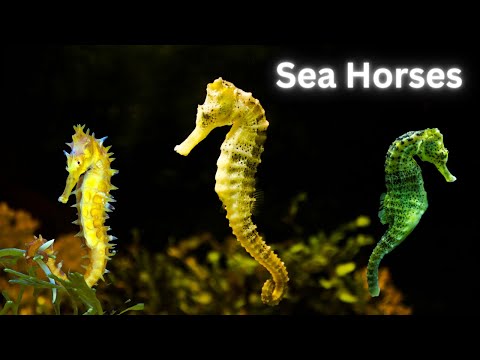
Seahorses face a bunch of risks because of their body shape, lousy swimming, their need to stay hidden, and their tiny babies.
These traits make a lot of Hippocampus species hard to protect. It’s just too easy for them to vanish from their habitats.
Bony Armor and Lack of Scales
Instead of flexible scales, seahorses have a rigid, bony armor made of fused plates. That armor shields them from some bites, but it also makes them brittle.
If you squeeze or drop a seahorse, the plates can snap or the joints might get messed up.
This armor limits how much they can grow or repair themselves. Unlike most fish, they can’t gulp down big prey or stretch out to run from danger.
Pipefish and seadragons (their Syngnathidae cousins) deal with the same weird balance between protection and being breakable.
Swimming Ability and Energy Limits
Seahorses use a fast-flapping dorsal fin to move forward and tiny pectoral fins near their heads to steer.
You’ll notice they’re not winning marathons—slow, jerky swimmers at best. It’s tough for them to escape predators or push through strong currents.
They digest food quickly, so they need to eat almost all the time just to keep their energy up. But since they don’t swim well, they can’t go far looking for food or new homes.
That energy gap really hurts them if things change fast.
Reliance on Camouflage
Seahorses depend heavily on camouflage to survive. They’ll change color and use their prehensile tails to anchor onto seagrass, coral, or algae.
This trick lets them ambush shrimp, copepods, and other tiny crustaceans without a chase.
But camouflage only works if their habitat stays healthy. If seagrass beds or coral disappear, seahorses lose their best hiding spots.
That means more predators spot them, and they struggle to eat, so they’re pretty vulnerable when their home gets trashed.
Vulnerability of Young Sea Horses
Baby seahorses hatch from the male’s brood pouch as tiny, fully formed fry. Each brood might have hundreds or even over a thousand fry, but honestly, less than 1% usually make it to adulthood.
These little fry drift in the water and can’t swim or hide well at all.
Predators like crabs, bigger fish, and even some plankton-eaters gobble up most of them. If the water’s dirty or the habitat’s damaged, even fewer survive.
With so many losses early on, populations really struggle to bounce back after a decline.
If you want more baby seahorses to survive, protecting nursery habitats and cutting down on bycatch is crucial.
Curious for more? Check out this Natural History Museum write-up: Are seahorses the ocean’s quirkiest fish?
Habitats and Environmental Threats

Seahorses stick to shallow coastal spots where they can grab onto something and find food.
You’ll spot them in seagrass beds, mangroves, coral reefs, and sheltered estuaries that protect young fish and buffer the coast.
Fragile Coastal Habitats
Seagrass beds, mangroves, and coral reefs give seahorses the structure they need. In seagrass meadows, you’ll see those long blades where seahorses wrap their tails and just wait for a snack.
Mangrove roots shelter tropical species and give juveniles a place to grow up. Coral reefs offer all kinds of nooks and crannies for different species.
All these habitats sit in shallow water close to shore. That makes them easy targets for damage—think dredging, boat propellers, or coastal construction.
If you’re out there, skip anchoring on seagrass and pay attention to local rules to avoid causing harm.
Impacts of Habitat Loss
When seagrass, mangrove, or coral cover shrinks, seahorse numbers drop fast. Less seagrass means less food and hiding, so predators pick them off more easily.
Clearing mangroves for shrimp farms or building along the coast wipes out nurseries for young seahorses. Damaged coral reefs lose the complexity and hiding places that so many species need.
Habitat loss doesn’t just hurt seahorses—it affects local people who rely on coastal fisheries.
You can help by supporting local marine protected areas or joining habitat restoration projects that plant seagrass or replant mangroves. Those efforts really do help seahorses and fish stocks stick around.
Threats from Overfishing and Bycatch
People catch seahorses on purpose for traditional medicine and the aquarium trade. They also get scooped up accidentally as bycatch in trawls and seine nets.
Bottom trawling tears up seagrass and coral, destroying the very places seahorses call home.
You can make a difference by choosing seafood from certified sustainable fisheries and supporting rules that ban destructive fishing gear.
Good fisheries management—like banning trawling in sensitive spots and enforcing catch limits—can cut down on seahorse removals and give their habitats a fighting chance.
Effects of Climate Change
Rising sea temperatures and ocean acidification are really taking a toll on the habitats seahorses rely on. Warmer water leads to coral bleaching, and when that happens, the reefs just fall apart.
Changes in freshwater runoff and wild storms dump sediment onto seagrass beds, sometimes burying them. Flooding can hit mangrove lagoons hard, wiping out local seahorse groups.
Sea level rise keeps shifting coastlines, and sometimes mangroves just drown or estuary salinity changes too much for seahorses to handle. If you want to help, you could support climate policies that actually cut emissions.
You might also consider funding local projects—like mangrove restoration or seagrass recovery. These efforts give seahorses a fighting chance.
- Key habitats: seagrass beds, mangroves, coral reefs
- Major threats: habitat loss, destructive fishing, bycatch, climate change
- Actions you can take: support marine protected areas, sustainable seafood, and habitat restoration
Relevant reading: learn more about habitat threats on Project Seahorse’s page about habitat degradation.


